12 LA-Area Cities Raise Hotel Taxes Ahead of 2028 Olympics
Twelve LA and Orange county cities raised or expanded lodging taxes Nov. 3, with Hawthorne jumping to 17% and short-term rentals losing their tax edge as 2 million Olympic visitors approach.
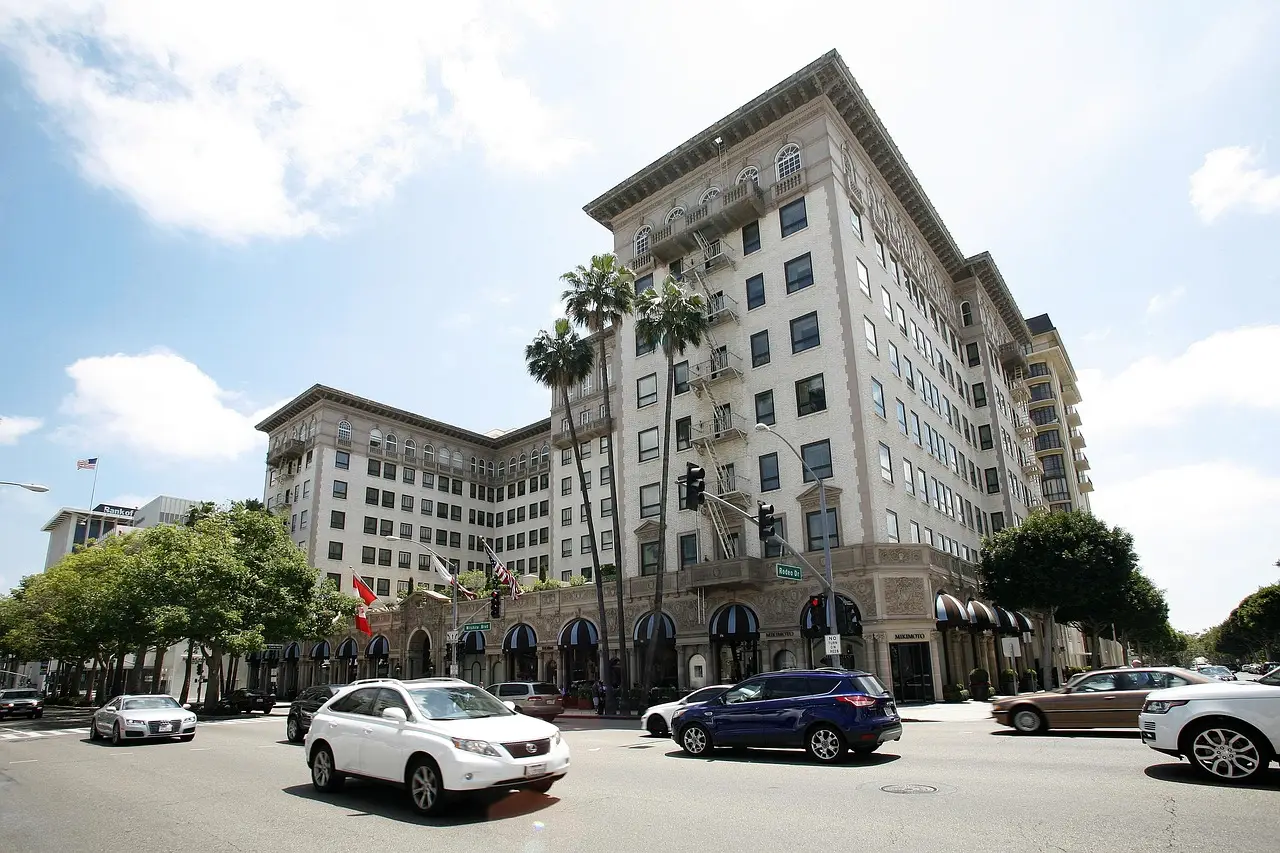
Twelve cities across Los Angeles and Orange counties approved lodging tax changes on November 3, ten of them creating or raising rates outright, according to preliminary results from the California Local Government Finance Almanac. Two of those cities now tax hotel guests at a higher rate than the city of Los Angeles itself, whose 14% lodging tax increase voters rejected just five months earlier.
The wave lands as the region gears up for the 2028 Los Angeles Olympics, an event expected to pull roughly 2 million visitors into greater Los Angeles, and as local lawmakers scramble to close widening budget gaps. Skift previously reported that lodging taxes tend to be an easy sell at the ballot box for a simple structural reason: the people paying them are usually out-of-towners who don't vote in the jurisdiction.
What changed, city by city
The numbers vary widely. Hawthorne, which borders Inglewood and its Olympic venues, posted the sharpest jump — from 12% to 17% — and projects as much as $3.1 million in annual revenue from the increase. For perspective, that's new money on top of a base that, at 12%, was already generating meaningful general-fund income for a city of roughly 88,000 residents.
Other moves:
- Lynwood approved its first-ever hotel tax, setting the rate at 12%.
- Orange and Placentia each raised rates from 10% to 14%, matching Los Angeles' levy.
- Two cities expanded existing taxes to cover more types of stays rather than raising the rate.
Where the money goes matters as much as how much comes in. Unlike measures that passed elsewhere on the same night — Tulsa and Collier County, Florida both earmarked proceeds for arenas, convention centers and sports complexes — the California cities' new revenue flows into general funds rather than tourism-specific uses.
What does this change for short-term rentals?
Plenty. The November 3 results quietly stripped away part of the tax advantage that vacation rentals have long held over hotels in the region. Alhambra extended its 12% occupancy tax to cover short-term rentals for the first time. Monterey Park went further on rates: rental guests there will now pay 16%, while hotel guests pay 14% — an outright penalty on the vacation-rental side of the ledger.
Santa Monica took a different route, one aimed squarely at the Olympics playbook. The city council can now apply the lodging tax to corporate stays longer than 30 days during designated "major event periods," closing a loophole that let long-term corporate housing escape the levy during exactly the windows when demand — and rates — spike hardest.
For hotel operators, the level playing field on taxes removes one pricing argument competitors had. For hosts and platforms, it narrows the margin gap in markets where occupancy is about to tighten anyway.
A statewide and national picture
California saw 29 of 34 lodging tax measures passing, the second-largest wave in a decade, per the Almanac's count. In most cities, the increases are, as one analysis put it, "not a huge amount of money compared to other sorts" of revenue — incremental general-fund relief rather than transformation.
Outside California, the results were mixed. Tulsa nearly doubled its rate to 9.9%, with the local hotel association's backing and tourism-specific earmarks attached. Voters in Oklahoma, Oregon, Florida and Mississippi rejected their measures outright.
The Los Angeles story carries its own irony. Five months before these suburban votes, city voters rejected Measure TT, which would have lifted Los Angeles' 14% lodging tax to 16%. The suburbs filled the vacuum. With Olympic-scale visitation projected and budget gaps still open, expect more cities in the region to revisit their lodging rates — and their definitions of what counts as a taxable stay — before the 2028 torch arrives.
More from Daniel Okafor
Show full bio
Correspondent covering companies, deals and strategy in Restaurant and hotel operations at The Pass Brief.
761 articles