TCU's $17M Dining Hall Redesign Doubles Meal Counts to 4,000 a Day
TCU's BLUU Dining averages 4,000 meals daily after a $17M redesign—double the old hall's count—built on made-to-order platforms and labor-efficient equipment.

Texas Christian University's new BLUU Dining hall is averaging 4,000 meals per day, double the count at the old facility when it closed for renovation in December 2025. That is the return on a $17 million overhaul of the Brown-Lupton University Union in Fort Worth, Texas.
"That's double our meal counts at the time we closed for renovation in December 2025," said Associate Vice Chancellor for Student Affairs Business and Operations Jude Kiah. Peak day so far: roughly 5,700 meals. If pressed, "We could probably crank out 8,000 meals per day," Kiah said.
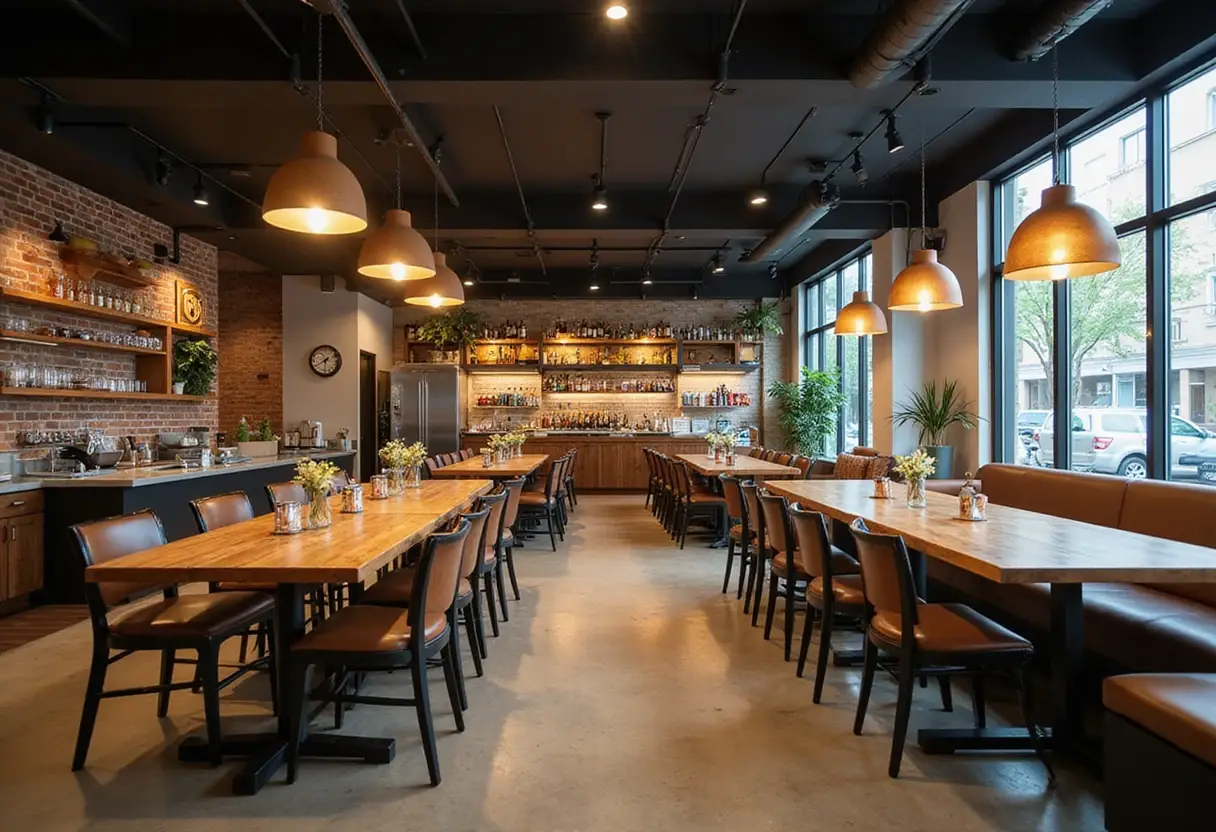
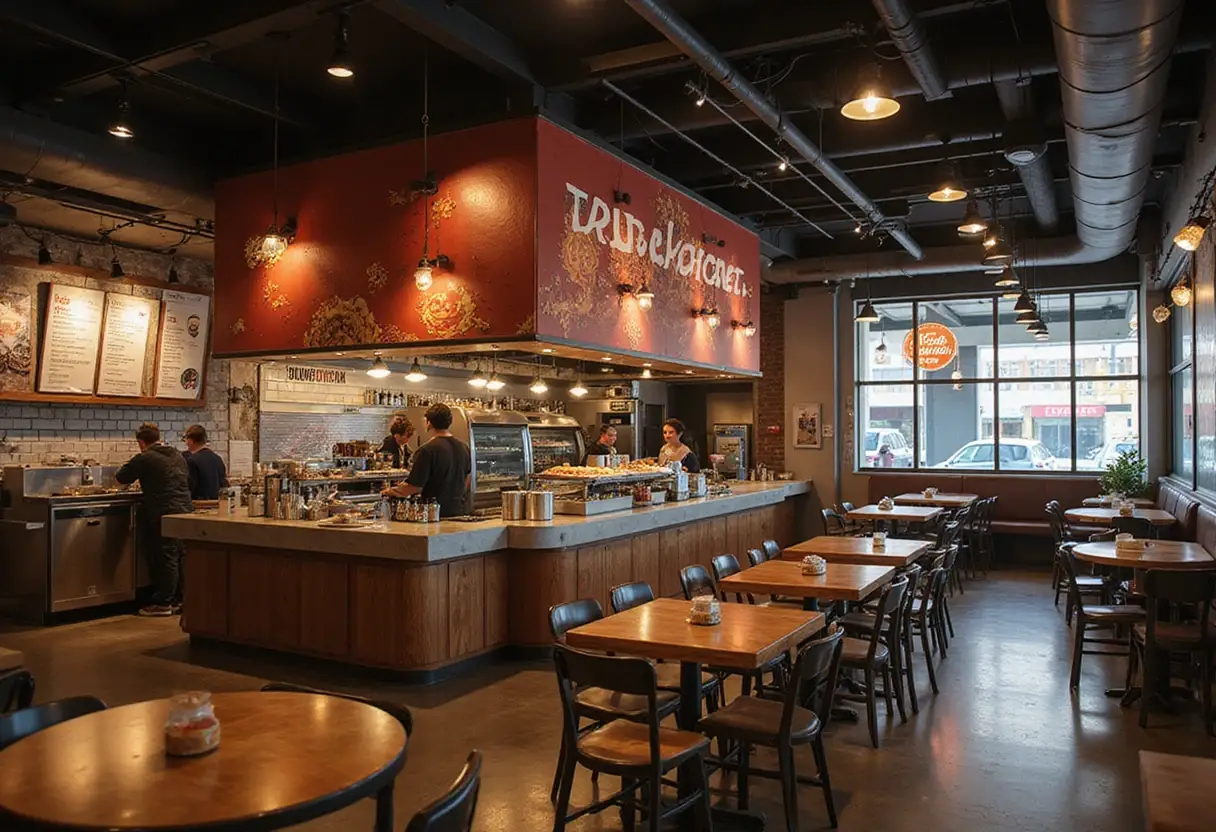
The 13,000-square-foot servery opened in August 2026, with another 4,500 square feet for platforms and back-of-house. It seats 550 inside and 120 on the patio across eight food platforms. The facility replaced Market Square, a nearly 18-year-old dining hall that students had quietly written off.
What did the research find?
Planning began in 2022 with surveys on student satisfaction. The findings surprised the operators. "It took quite a bit of data analysis from multiple surveys to figure out that it was the facility—not the food—that students didn't like," Kiah said. Students perceived the old hall as "merely a self-serve cafeteria with premade food."
Students preferred made-to-order meals over speed of service and did not mind waiting. "We didn't believe it at first," Kiah said. The team ran at least six surveys and focus groups before trusting the data.
The results hold up in practice. "It's still shocking to me that students will line up 20 deep and not think a thing of it," Kiah said. A 15-deep queue at the bowl station moved its last customer through in four minutes and 30 seconds.
How does design tie to economics?
The redesign targets labor and throughput, not aesthetics alone. The salad/deli/to-go platform moved to a wall of windows overlooking the stadium, becoming the facility's most popular seating area. Its to-go window, Dash, opens into the entrance hallway, letting guests grab a premade sandwich or salad without entering the servery. "It's an opportunity for us to basically steal seats, give students more options and potentially operate late into the evening with very little input from a labor perspective," Kiah said.
Director of Facilities and Operations Miles Oller rebuilt back-of-house flow, replacing a narrow passageway with a wide service corridor offering individual entrances to every platform. "There is no competition for space," Oller said. "As amazing as the difference in the front of the house is, the real meat-and-potatoes of this renovation lies behind the scenes in the ability to move product from A to B safely and efficiently."
Sodexo District Manager Scott Majestic got an 800-square-foot walk-in cooler that lets staff roll pallets in directly, unload onto carts and route product without the old space-constrained gymnastics.
Why low-tech equipment won?
Planners chose equipment on capacity, flexibility, maintenance and training needs. The team rejected a stone-hearth pizza oven in favor of a Roto-Flex rotating unit that produces 116 pizzas an hour and bakes casserettes below, with workers loading front and unloading side—no arms inside a 550-degree oven.
Computer-controlled gear generally lost to durable simple machines. "I'd rather buy 'tanks'—pieces of equipment that will just keep working, and where you don't need a master's degree to figure them out," Oller said. The hardest units to retire were 30-year-old oven ranges from the original build that had never broken down; replacements came from the same supplier.
Maintenance economics shaped other choices. The team avoids one griddle brand and one warewasher brand over repair-part availability. TCU's equipment service company priced thermostats and repair parts for candidate fryers before purchase.
The support kitchen got epoxy floors replacing hard-to-clean tile, plus a near one-for-one equipment refresh after the 15-year-old stock was assessed as not worth reinstalling.
What comes next?
TCU adds 2,500 campus beds next fall. Meal plan enrollment stands at 6,300, with expectations of surpassing 8,000 within a year, building on the East End dining hall opened in January 2025 and menus revamped with Sodexo's One & All college dining program.
"We needed BLUU Dining to have some gravity (compared to East End), and it is definitely doing that," Kiah said. "Now we just have to operate it. It's off to a very good start."
More from Rebecca Stone
Show full bio
Senior reporter covering technology and product news in Restaurant and hotel operations at The Pass Brief.
559 articles