All-Electric College Kitchen: What Amherst's 46,500-Sq.-Ft. Project Teaches
Amherst College's 46,500-sq.-ft. Betty's Kitchen runs fully electric ahead of a 2030 campus decarbonization deadline. Designer Michael Batte explains what works — and where gas still wins.
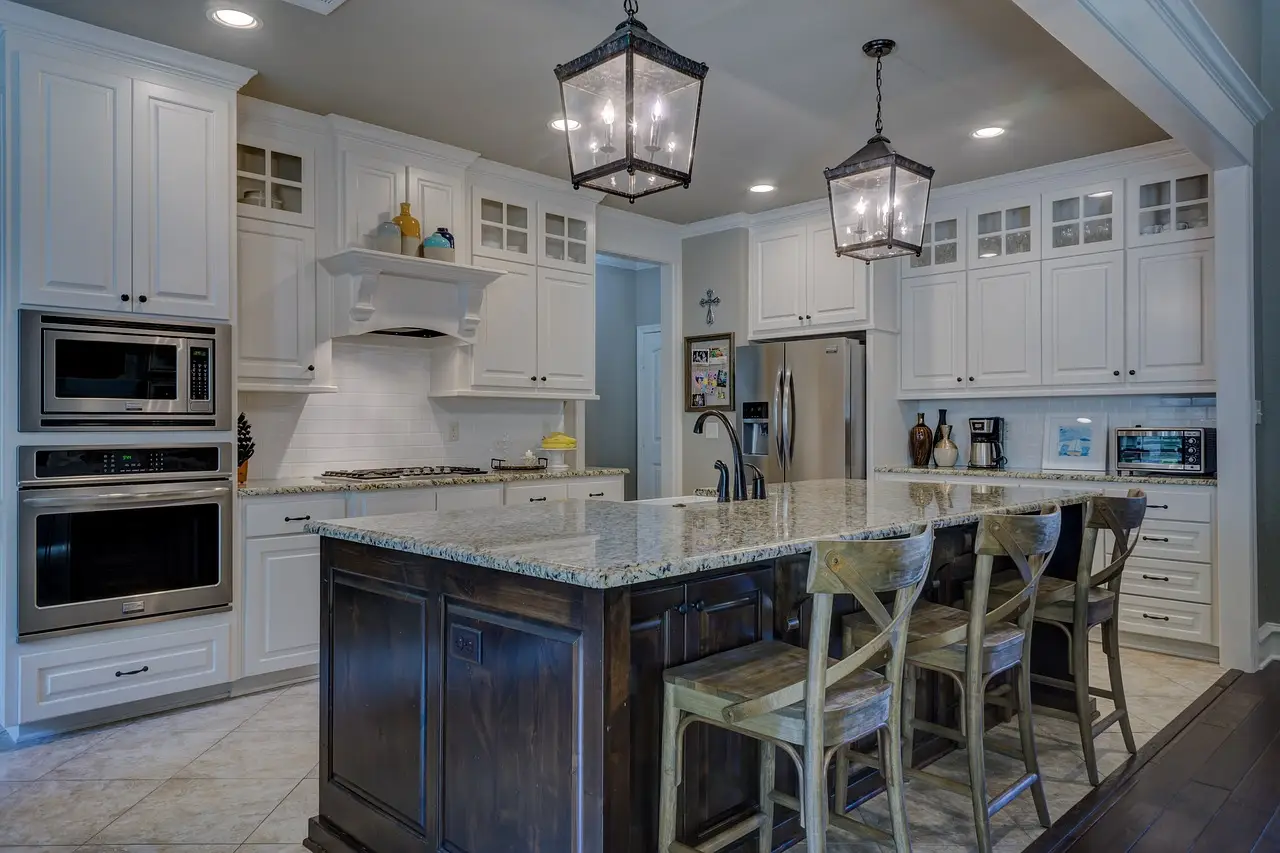
Amherst College has opened a 46,500-sq.-ft., fully electric dining operation inside its Ford Student Center, built as the Massachusetts school pushes to decarbonize its entire campus by 2030.
The project — a servery called Betty's Kitchen plus three back-of-house kitchens and a small pub — was designed by Cromwell Consulting of Stoughton, Mass., under founder Kevin Cromwell, who led the firm, and designer Michael Batte. Betty's Kitchen now serves as the college's primary all-campus dining hall, feeding students, faculty, staff and visitors across 14 serving stations, including wok and stir-fry, sushi, global cuisines, and allergen- and kosher-friendly options.
The college's 2030 target means shifting its energy system from fossil fuels to renewable electricity. That timeline is what turned a kitchen refresh into a full electrification project — and it's why the details matter for other operators watching their own emissions deadlines.
What does electric equipment actually change for operators?
Batte's first lesson: display cooking is where electric shines. Betty's Kitchen's stir-fry and breakfast stations use electric ventless cooktops, which let staff face guests while cooking and skip the ventilation hood entirely.
"You get exhibition cooking with the equipment and you don't have a hood overhead," Batte says. For a 14-station servery, that's a real design lever — no hood means fewer structural constraints and more flexible station placement in front of diners.
Where's the utility math?
The second lesson is about operating cost, and Batte is candid: electric isn't automatically cheaper. What it does is cut total energy consumption.
"There are no standing pilots. The hoods are on but they're not constantly drawing at a higher rate," Batte says. "You might be paying a little more on electric but you have a reduction in utility use. And there's less wear and tear on the equipment."
The mechanism is simple. Gas equipment keeps pilots burning and hoods pulling air whether or not anyone is cooking. Electric cooktops draw power only during use, and the reduced load extends equipment life — a maintenance saving that doesn't show up on the gas-versus-electric rate comparison.
Where gas still holds ground
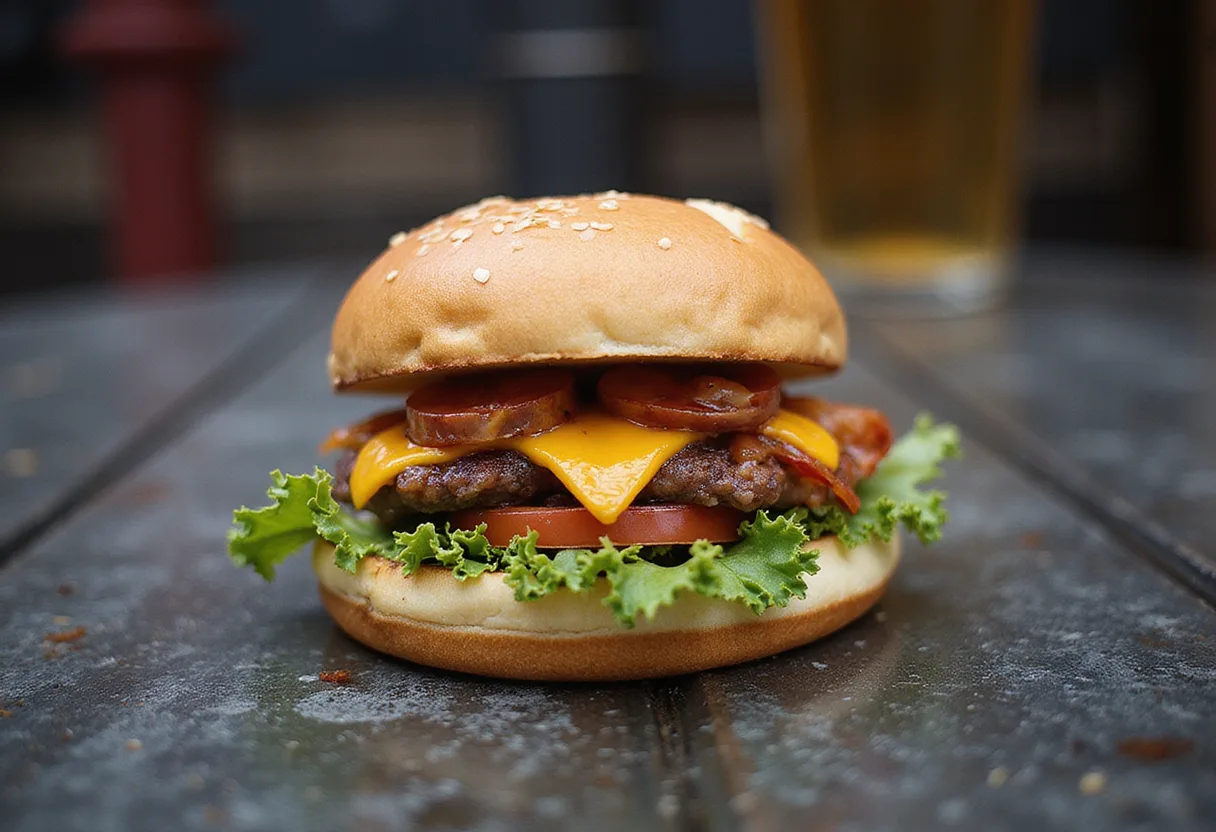
The one place Batte won't endorse electric yet is the charbroiler. Betty's Kitchen's grill station, serving burgers and chicken, illustrates the gap.
"It doesn't give you the flavor and mouthfeel that a gas charbroiler does," Batte says. "That open flame really makes a difference, just with the charbroiler. The manufacturers understand that and they're trying to innovate."
So an operator can electrify most of a menu today, but flame-driven char flavor remains a holdout category — and equipment makers are still chasing it.
The bigger picture
Batte's framing is practical: all-electric doesn't pencil out for every operator, but for institutions with decarbonization mandates — and campuses with 2030 deadlines are a growing group — the Betty's Kitchen build shows what works today and what still needs engineering. As manufacturers close the charbroiler gap, the case for full electrification gets easier to make on the next project.
More from Olivia Hart
Show full bio
Staff writer covering regulation, policy and their impact on Restaurant and hotel operations at The Pass Brief.
564 articles