Swiss Hotels Book Significant September Overnight-Stay Gain
Swiss hotels booked a significant jump in overnight stays during September, blue News reported, signaling stronger-than-expected demand ahead of the autumn shoulder season and December ski peak.
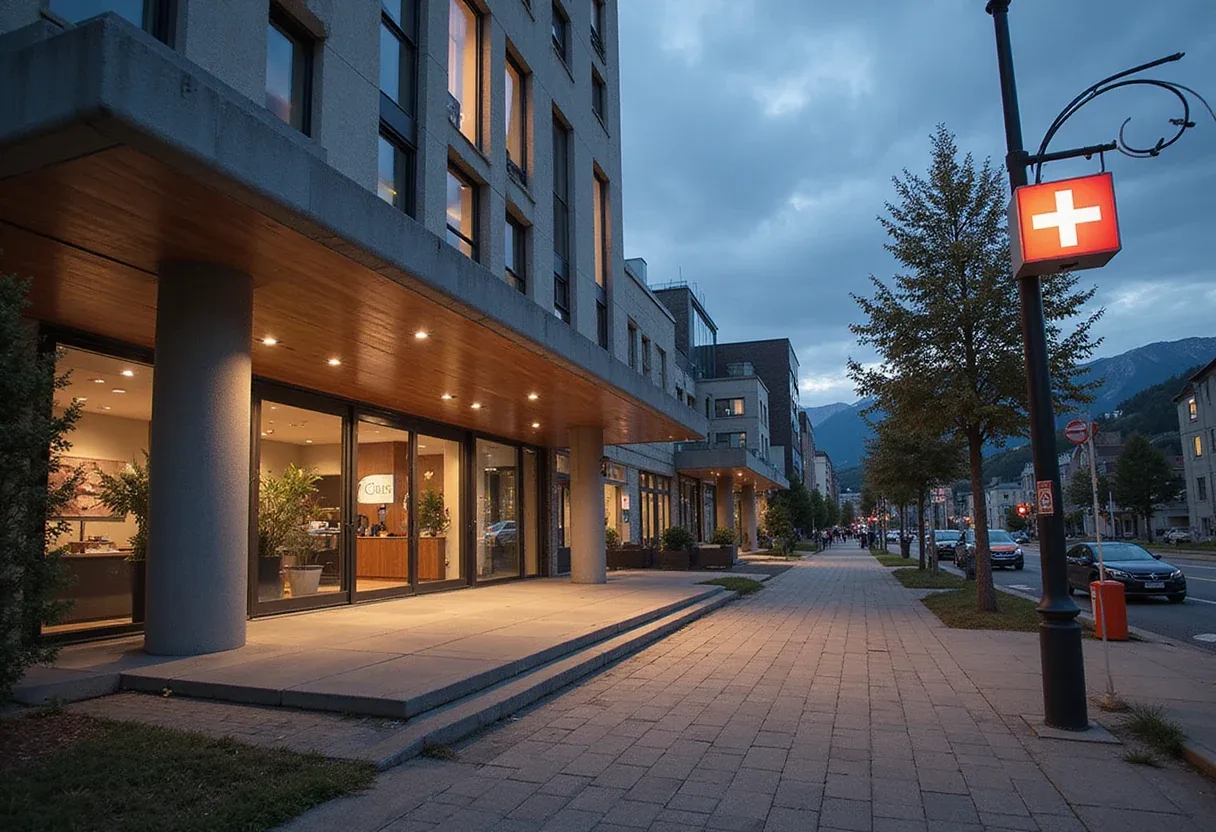
Swiss hotels booked a significant increase in overnight stays during September, blue News reported this week, a directional signal that the country's accommodation sector carried summer demand momentum into the autumn shoulder season.
The headline — released without a published percentage or absolute room-night figure — gives operators a thermometer reading without the number. It signals that demand for the month that traditionally bridges summer alpine trade and the early-winter ski peak ran hotter than the seasonal baseline hoteliers had penciled in.
For Swiss operators, September is the hinge month on the calendar. It separates the high-velocity summer trade — when alpine and lakeside properties book solid FIT and group business at peak ADR — from the slower autumn crawl toward the December peak.
A strong September read hands hoteliers three concrete levers going into the back half of the year: firmer negotiating leverage on Q4 corporate rate cards, reduced dependence on OTA discount inventory that compresses margin, and earlier booking momentum to carry into the ski-season window.
What does the headline actually change for operators?
Not much beyond directional confidence, until the underlying data lands. Without a year-over-year delta, an absolute room-night figure, or a region-by-region breakout, hoteliers can't calibrate ADR, RevPAR or occupancy against last September's performance.
They'll need the underlying monthly accommodation release — typically issued by Switzerland's Federal Statistical Office — to translate "significant" into a planning-grade input that moves rate strategy and group pricing.
Why September matters for the P&L
The month captures the tail end of summer hiking traffic, the cultural-travel shoulder around Lucerne and Zurich, and the first wave of autumn wine-region visitors, all before the December-to-March ski peak fully takes hold.
Strong September demand historically feeds forward into Q4 group bookings at firmer rates, corporate rate negotiations entering winter budget cycles, and earlier confirmation windows for ski-season FIT business that locks in shoulder-week revenue.
The month also matters on the cost side. Hotel P&Ls in Switzerland run on a labor-heavy cost structure with fixed overhead — housekeeping rosters, F&B management, energy and maintenance — that operators cannot trim week to week.
An occupancy lift in September helps amortize those fixed costs and protect margin into the slower autumn weeks when rate compression and lower covers hit the income statement.
The backdrop operators are watching
Swiss hoteliers entered autumn tracking a familiar mix of variables: currency swings against the U.S. dollar and euro, mixed intra-European cross-border flows, and a domestic travel base that has held up better than outbound travel over the past several cycles.
Any sustained softening of the franc against major inbound-source currencies would support ADR into the higher-rate, longer-stay demand segments that alpine and urban properties actively court.
What to watch next
The next monthly accommodation release, covering September in full, will land later this month and typically breaks out results by country of origin, tourism region and hotel category.
Those breakdowns turn a "significant" headline into the per-segment delta operators actually use to set Q4 pricing, shape group-rate cards and forecast labor scheduling into the winter peak.
More from Daniel Okafor
Show full bio
Correspondent covering companies, deals and strategy in Restaurant and hotel operations at The Pass Brief.
400 articles