Málaga Hotels Brace for Softer Autumn After Record Run
Málaga's hotel industry is preparing for a difficult autumn after years of record-breaking tourism, regional outlet Andalucía Today reported in a headline-level summary.
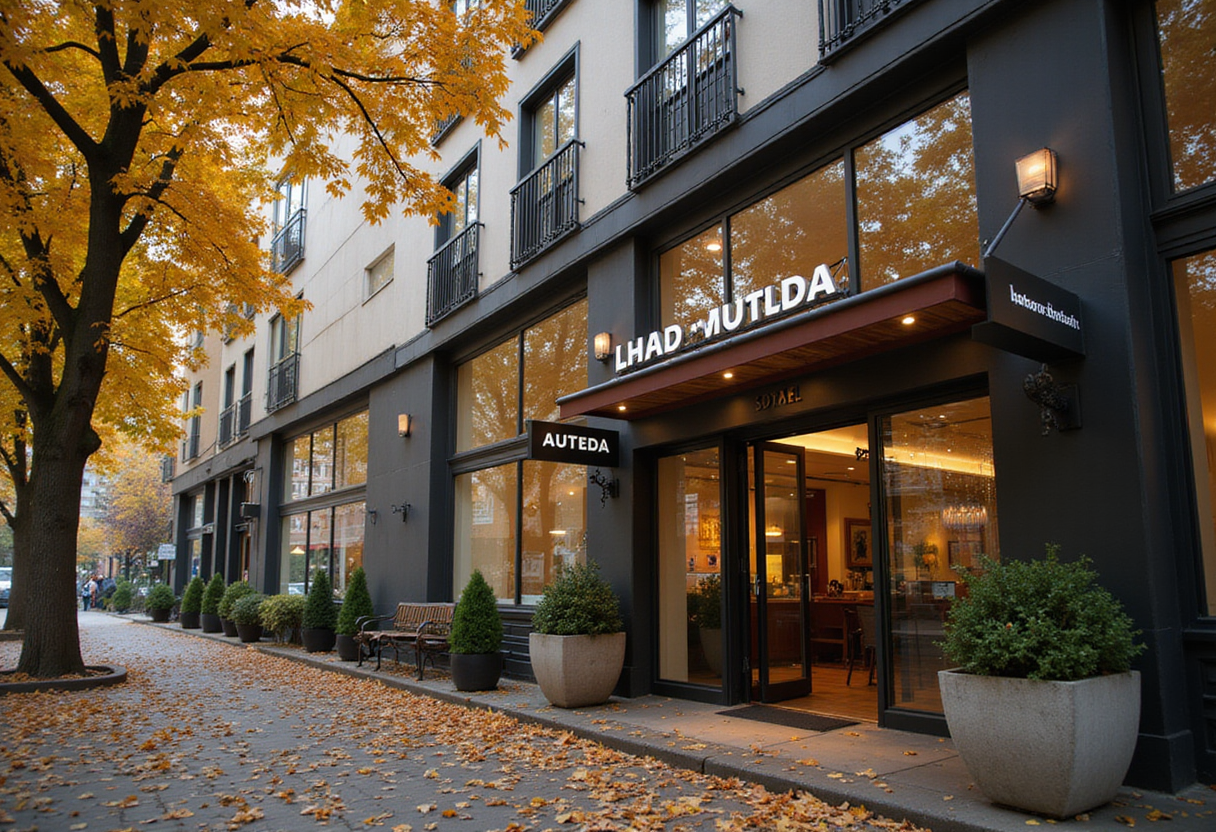
Málaga's hotel industry is preparing for a difficult autumn after years of record-breaking tourism, regional outlet Andalucía Today reported in a headline-level summary.
The brief flagged softening demand expectations for the autumn shoulder season, framing the period against the unusually strong comparable base set during the post-pandemic rebound. Andalucía Today's summary did not include specific occupancy, average daily rate, or RevPAR figures, and did not name individual operators, ownership groups, or submarkets within the province. The directional language — "bracing" and "difficult" — points to year-over-year softness in shoulder-season trading rather than absolute collapse.
What the headline tells us
The two operative words are "autumn" and "after years of record-breaking tourism." Coming off a multi-year run in which Málaga pushed occupancy and pricing to historic highs while competing Mediterranean destinations worked through capacity constraints, even stable autumn demand prints as a deceleration in the trade data. For revenue managers who leaned on rate growth to absorb labor and energy inflation across the rebound period, defending that pricing against a softer walk-in calendar is the immediate operational problem.
Why the comp base matters for operators
Mediterranean coastal markets typically run a steeper summer-to-autumn drop than urban gateways, where corporate and group demand flatten the curve. Málaga sits in the steeper category, with a leisure-driven mix and heavy exposure to Northern European package and charter volumes that tail off sharply once the school-holiday calendar closes. When the prior autumn itself ran at or near record levels, the comparison math turns hostile even before any change in underlying demand.
What the source does not specify
The summary does not break out which segment of the Málaga market faces the steepest slowdown. That leaves open whether the caution applies to city-center business, the Costa del Sol resort strip (Torremolinos, Fuengirola, Marbella), or the inland heritage circuit. It also does not quote a general manager, revenue director, or association spokesperson, and does not cite any specific booking-window data or forward-looking occupancy pace reports.
What the operational read looks like inside the property
A shoulder-season slowdown in a coastal Spanish market typically reshuffles the property-level margin mix. The high-spend summer F&B channels — pool service, all-day dining, late bar — give way to a leaner room-only and corporate-account mix, which compresses per-available-room profitability even when occupancy holds. Labor scheduling is the first cost line operators adjust, generally through hours rather than headcount. Energy is the second, as properties move from full HVAC and pool-heating loads to selective service. Food cost typically holds steady in absolute terms but rises as a percentage of revenue when covers fall.
What to watch
The first concrete read will arrive when Málaga operators and the regional trade press begin publishing autumn trading data. A flat-to-down print against the recent record base would confirm the headline-level caution. Anything sharper would push revenue teams toward dynamic-pricing floors, length-of-stay incentives, and direct-channel pushes to defend net rate.
For now, the message from Andalucía Today is straightforward: Málaga's hoteliers built their pricing power on multiple record years, and the autumn ahead is the first shoulder window in which that base becomes a headwind.
More from Elena Vasquez
Show full bio
News editor covering industry trends and analytics at The Pass Brief.
245 articles