Swicy Moves From Buzzword to Formulation Brief
Sweet-heat has matured into a formulation discipline, with developers engineering how sweetness and capsaicin arrive on the palate across beverages, snacks and sauces.
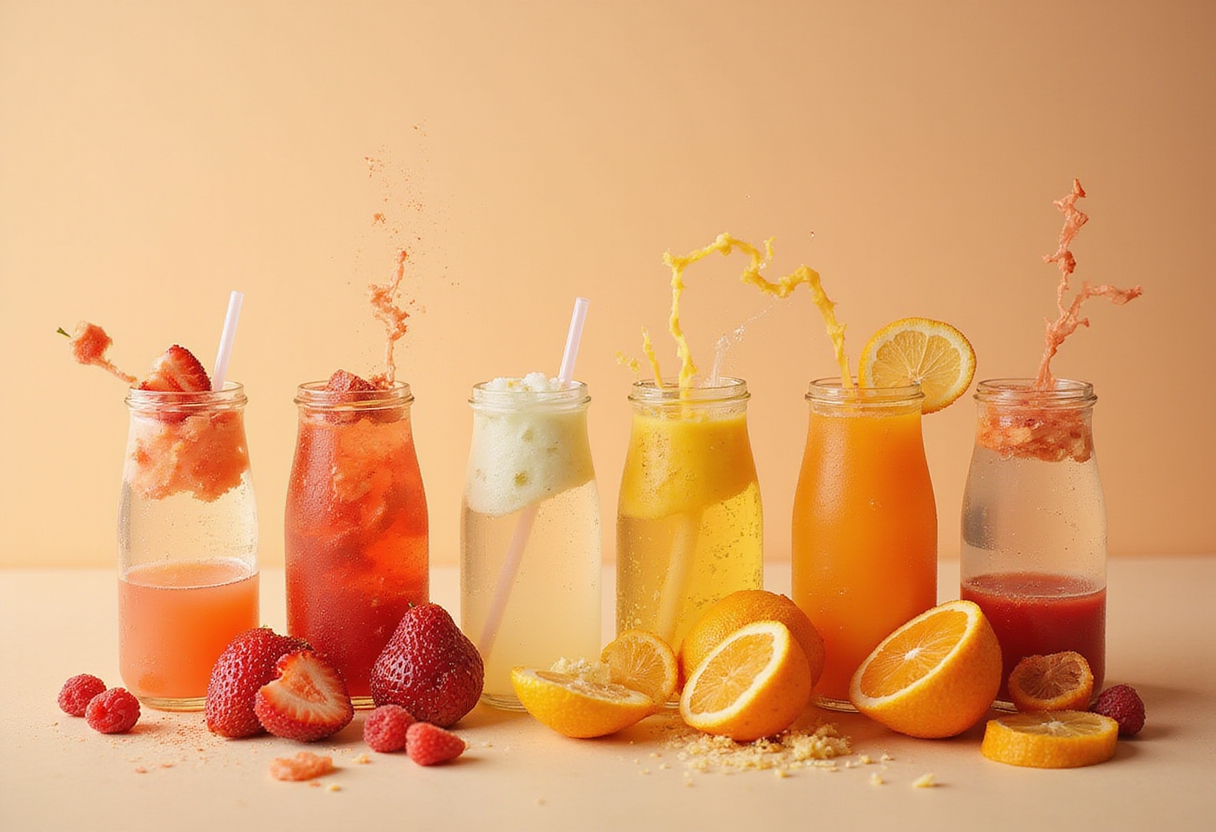
Sweet-heat — the "swicy" flavor pairing — has moved from social-media novelty to a standing item on product development briefs across food and beverage, and formulators are now refining how the two sensations are built, balanced and delivered rather than simply combining sugar with capsaicin.
The trend report from Ingredients Network's FoodIngredientsFirst examines how developers approach sweet heat as a technical problem: heat sources, sweetness carriers and delivery formats all have to be engineered together so one does not overwhelm the other on the palate or in processing.
What is driving swicy development?
The pairing's persistence in new product development reflects its flexibility across categories. Sweet heat appears in:
- Beverages, where formulators must keep heat perceptible without lingering past the finish
- Snacks and seasonings, where heat intensity can be layered with sweet topical coatings
- Sauces and condiments, where sugar or fruit bases temper capsaicin delivery
- Confectionery, where heat is used as a contrast agent rather than a dominant note
For operators and manufacturers, the appeal is economic as much as sensory: a swicy SKU signals innovation on a menu or shelf without requiring new equipment or exotic supply chains, because the underlying ingredients — sweeteners, chili extracts, fruit powders — are already in most procurement pipelines.
How do formulators balance the two sensations?
The FoodIngredientsFirst reporting frames sweet heat as a formulation challenge of timing. Sweetness registers quickly on the tongue; heat builds and lingers. Getting the two to arrive in a controlled sequence determines whether a product reads as balanced or as a novelty burn.
That has sourcing implications. Different heat sources deliver different intensity curves, so developers select them the way they would select any functional ingredient — for performance in the specific matrix, whether a low-pH beverage or a dry seasoning blend.
Sweetness selection is equally deliberate. Sugar, fruit concentrates and high-intensity sweeteners each interact with capsaicin differently, which pushes product teams toward menu-engineering-style decisions: which sweetener carries the heat, how much of it the formula needs and what it costs at scale.
Why does the trend matter for operators?
For restaurant chains and CPG brands, swicy occupies a commercially useful middle ground. Heat-only products limit their audience; sweetness-only products struggle to differentiate. The combination widens the addressable consumer base while still trading on the broader demand for spicy flavors that has shaped menus and product lines for several years.
The trend also lends itself to premium positioning. Sweet-heat variants can justify higher price points through perceived craft or complexity, using ingredients that are largely familiar — a margin play that requires no exotic sourcing.
FoodIngredientsFirst's analysis suggests the direction of travel is refinement rather than escalation: as swicy matures, expect development to focus on repeatable balance and category-specific delivery rather than headline Scoville counts.
More from Rebecca Stone
Show full bio
Senior reporter covering media and advertising at The Pass Brief.
225 articles