AI, Employee Engagement Top Agenda at 2026 NACS Show
The 2026 NACS Show will spotlight AI implementation, employee engagement and foodservice trends — three themes that map the channel's shift into food.
The 2026 NACS Show will put artificial intelligence implementation, employee engagement and foodservice trends at the center of its program, signaling where convenience-store operators expect to spend management attention — and capital — in the year ahead.
NACS, the association for convenience and fuel retailing, has built its flagship event around the three themes it sees as most consequential for the channel. All three point to the same operating pressure: c-store chains are converting stores into food destinations, and that shift raises labor, technology and menu-management questions that traditional fuel-and-packaged-goods operators have not historically faced.
Why does AI lead the agenda?
AI implementation sits first among the show's featured topics. For convenience operators, the interest is practical rather than experimental. Foodservice adds forecasting, waste and prep complexity that packaged retail does not, and AI-based tools promise tighter ordering, labor scheduling and demand prediction.
The technology question for operators is the standard one: what does the system replace, and who pays for it. In practice, that means weighing subscription and hardware costs against reduced food waste, lower labor hours and better in-stock positions on fresh items — the margin drivers that decide whether a c-store food program compounds or bleeds cash.
NACS has made AI a headline theme, which reflects where vendor investment is flowing. Expect the exhibit floor and education sessions to concentrate on back-office and customer-facing automation rather than novelty applications.
What is driving the employee engagement focus?
Employee engagement is the second pillar. Foodservice is labor-intensive in ways that scanning cigarettes and pumping gas are not, and turnover in food preparation roles directly hits training costs, consistency and speed of service.
For chains pushing food, engagement is an economics issue. Every percentage point of turnover adds recruiting and training expense, and inconsistent staffing degrades the execution that fresh programs require. The show's programming on this theme is aimed at operators trying to hold labor percentage down without cutting the service quality that foodservice margins depend on.
How central is foodservice to the event?
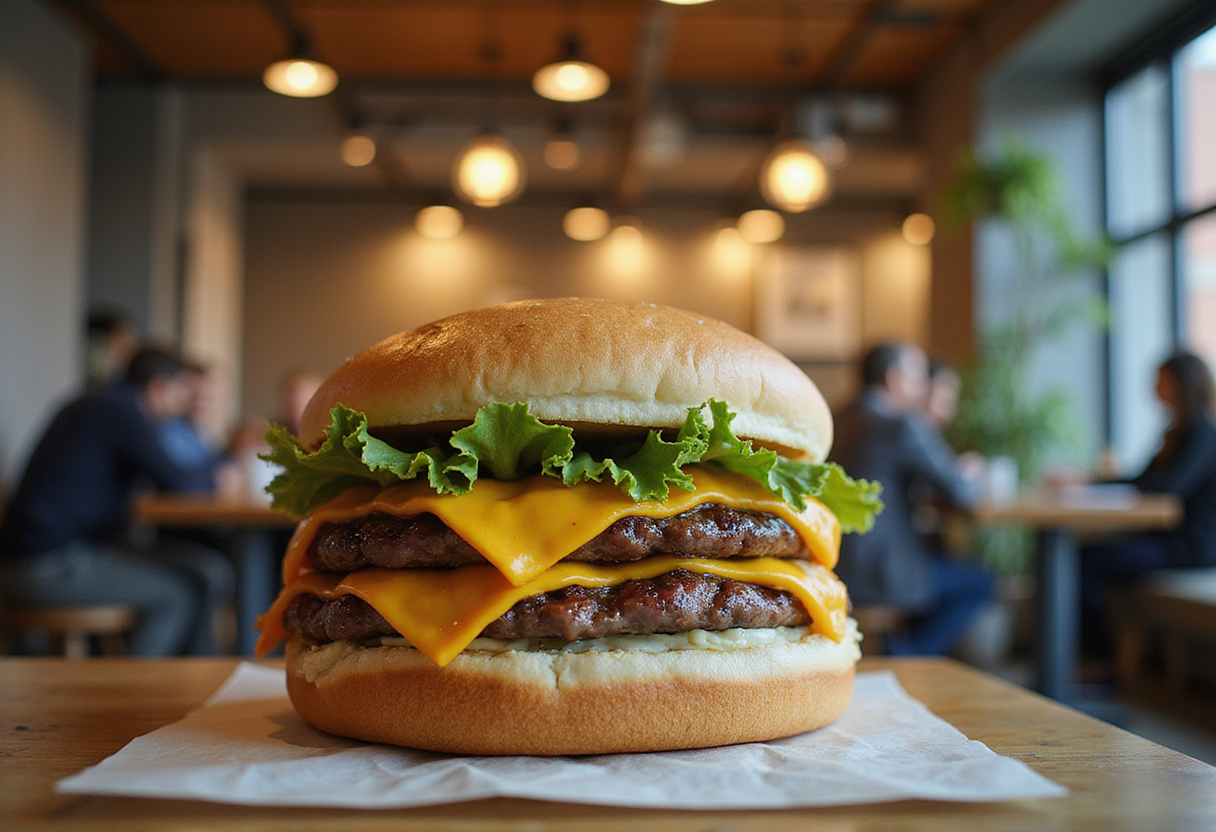
Foodservice trends make up the third theme, and their placement on the main stage marks how far the channel has moved. Convenience retailers now compete directly with quick-service restaurants for the same eating occasions, which forces menu engineering, sourcing and pricing decisions that look more like restaurant management than traditional c-store retailing.
The trend discussion at the show is expected to connect to the operator-level levers that determine whether food programs are profitable: product sourcing, menu rationalization and price architecture, rather than item novelty alone.
What should operators take from the agenda?
Taken together, the three themes describe a channel in transition. AI addresses cost control and forecasting, engagement addresses execution and retention, and foodservice addresses where the growth is expected to come from as fuel margins face long-term pressure from vehicle electrification and flat gallons.
The pairing is deliberate: foodservice growth raises labor demands, and AI and engagement strategies are the two levers operators can pull to keep those labor costs from eroding the incremental margin the food brings in.
For suppliers, the agenda tells them where c-store decision-makers will be looking. For operators, it previews the benchmarking conversations — automation payback periods, turnover costs, fresh-item economics — that will dominate the exhibit hall and education sessions.
The 2026 NACS Show's emphasis suggests that over the coming year, the convenience operators that perform best will be the ones that treat food, labor and technology as one integrated operating problem rather than three separate line items.
More from Marcus Bennett
Show full bio
Market editor covering media and advertising at The Pass Brief.
243 articles