Stuffing vs. Dressing: The Economics of a Regional Split
USDA guidance against stuffed turkeys, a 1940 chestnut blight and Minnesota paddy rice explain why dressing recipes vary by region this Thanksgiving.
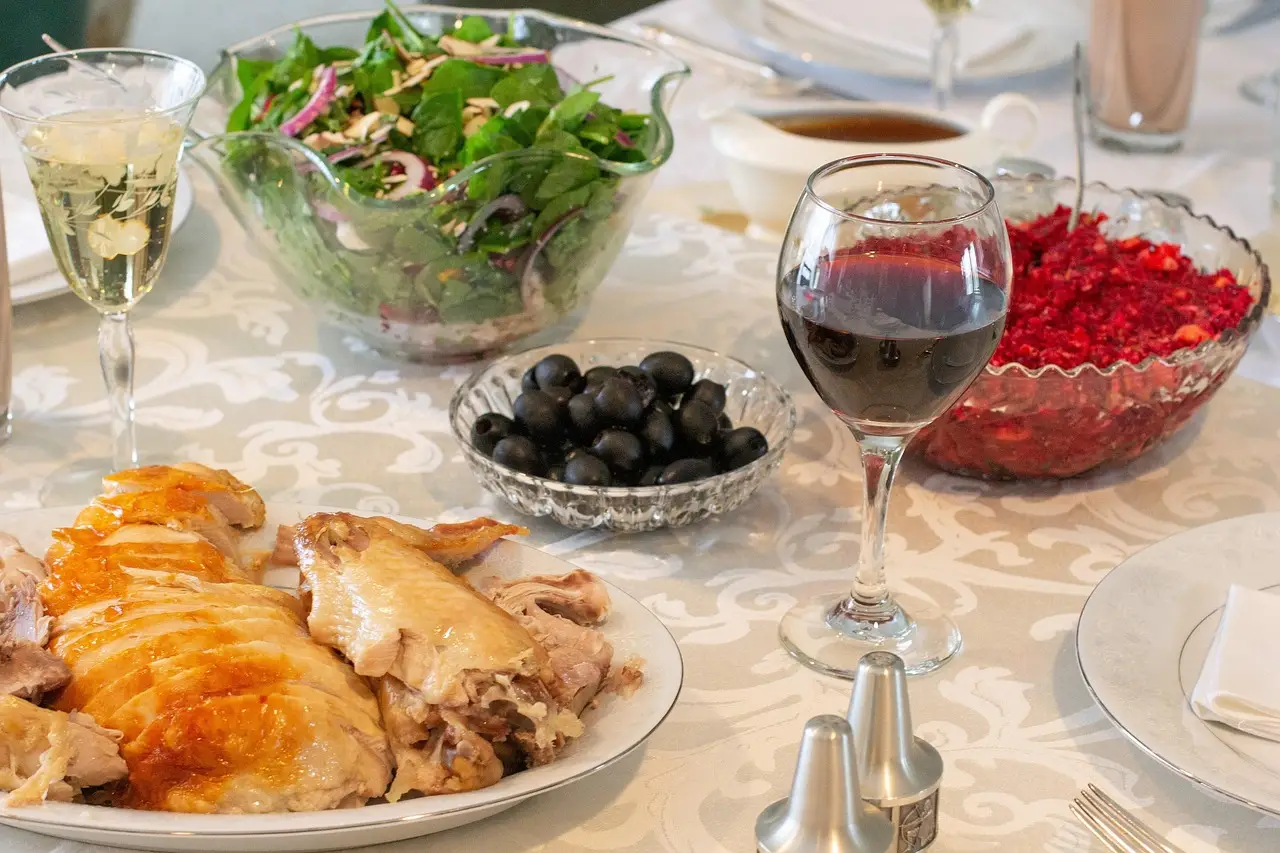
Federal food-safety guidance does not recommend cooking stuffing inside a turkey. The USDA's Food Safety and Inspection Service cites cross-contamination risk and longer cook times. It advises baking the dish separately. That single recommendation underlies one of the most durable divides in American holiday cooking.
The divide is regional before it is culinary. Southern cooks call it dressing and bake cornbread batter in a greased dish. Northern cooks stuff the bird. One South Carolina guide frames the rivalry as cornbread dressing versus bread stuffing. It says the South has already picked a side.
What does the safety guidance actually change?
Baking dressing in a dish avoids undercooking worries, according to the Beaufort, South Carolina guide. Cornbread dressing often bakes in about half an hour, depending on the quantity. That is faster than a stuffed whole bird, which requires the cavity contents to reach safe temperature. The safety case and the speed case point the same direction.
But the guidance does not settle the naming argument. Home cooks and operators still choose sides on tradition, not regulation. Neither camp shows any sign of moving.
Why do oysters define the coastal versions?
Oyster dressing runs from New England down the East Coast to the Lowcountry and around the Gulf. It appears wherever oysters are plentiful. Cooks pair oysters with sausage and mushrooms over white, wheat or cornbread bases. The dish becomes distinctly Southern once cornbread enters the recipe.
The old rule of eating oysters only in months with an R had a biological basis. The bacterium Vibrio thrives in warm water, mainly May through October. Cold-chain management and tagging now track how oysters reach market. Caveat: LSU's Ag Center notes the bacterium can be present year-round. Thorough cooking removes the risk.
Where does cornbread dressing come from?
Cornbread dressing belongs to Southern food culture as much as grits or biscuits. Its history runs back to "kush," a dish enslaved West Africans made in the South. They fried day-old cornbread with onions and seasonings in a skillet. The grainy texture and buttermilk tang persist in modern versions.
One South Carolina recipe starts with crumbled day-old cornbread. Celery and onion go in, sautéed in butter, along with sage and thyme. A beaten egg and enough poultry stock make a soupy mixture close to pancake batter. In South Carolina, Charleston and Lowcountry recipes favor oysters. Cooks around Florence and the Pee Dee often add country sausage. Giblets may go into the dressing or the gravy served over it.
Is the black rice in stuffing actually wild rice?
Mostly no. The black rice common in Thanksgiving recipes is paddy rice, a farmed crop. Minnesota researchers began developing it from wild rice in the 1950s. By the 1960s, farmers planted it in rows in flooded paddies and harvested it by combine.
True wild rice looks and tastes different from the paddy kind in grocery stores. Once cooked, it turns a milky brown that varies from lake to lake and carries a smoky, campfire-like flavor. Paddy rice is jet black. Wild rice is also harder to source, which matters for any operator pricing a menu around it.
The wild harvest in northern Minnesota lasts about two weeks in September. Harvesters pole canoes through dense rice stands and sweep seed heads into the boat with wooden sticks called knockers. Kernels are then parched over heat. The Ojibwe once smoke-dried rice in birch-bark vessels before kettles arrived after colonial contact. Today some parchers use iron kettles, others steel-drum barrels over wood fires. Rice camps pass the knowledge across generations; children start by sorting hulls beside elders.
What happened to the chestnut trade?
The American chestnut once grew from southern Maine to Georgia and west to Ohio. It stood thickest in southern Appalachia. Many trees grew on common land open to foragers, which made the nuts valuable to enslaved and poor families. Families ate the nuts, raced hogs and turkeys to the trees, and traded them at general stores for coffee and sugar. The wood went to construction, its tannins to leather tanning, its leaves to folk medicine.
The trade industrialized before it collapsed. Steamboats carried Kentucky chestnuts beyond local markets in the early 1860s. Roads and railroads expanded the trade in later decades. Virginia's chestnut crop reached 2 million pounds by 1914. The blight was already spreading. By 1940, nearly 85% of chestnut trees in the Great Smoky Mountains were gone. The nut receded into nostalgic novelty, appearing mostly at holidays before vanishing from kitchens after New Year's.
Which ingredients reach the table?
Chopped hard-boiled eggs and bacon count among the contested additions to cornbread dressing. The dish can anchor a meal of nothing more than a turkey wing and a little gravy. Leftovers turn into stuffing, turkey and potato patties the next day.
Every ingredient traces to a place. Oysters come from the coast, cornbread from the South, wild rice from the lakes of northern Minnesota, chestnuts from Appalachian forests. Each cook decides which of those places earns a spot on the menu. Expect the paddy-rice substitution and the chestnut's scarcity to keep widening the gap between tradition and what the supply chain can actually deliver.
More from Marcus Bennett
Show full bio
Market editor covering technology and product news in Restaurant and hotel operations at The Pass Brief.
716 articles