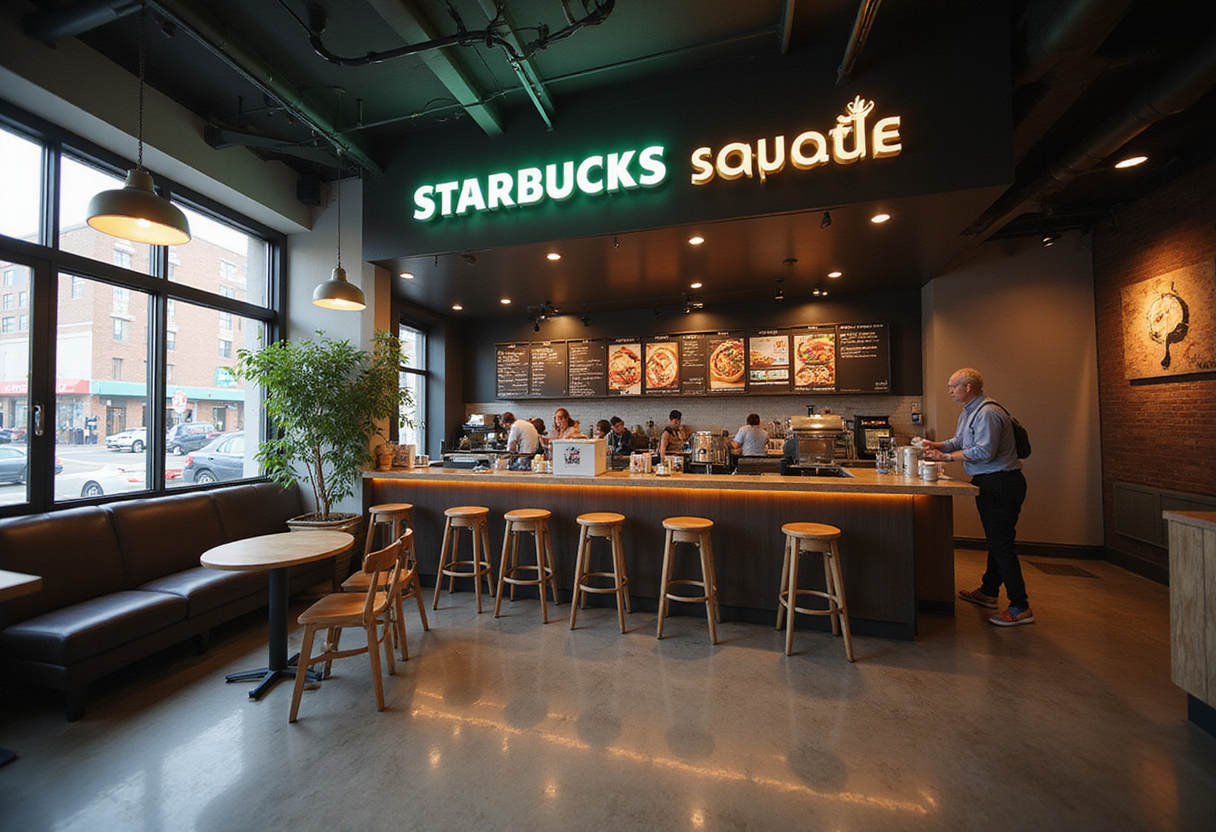
Starbucks Reportedly Weighs Takeover Bid for Chipotle
Starbucks is weighing a takeover bid for Chipotle, per PYMNTS.com. The headline names no offer price, financing, or board-level response, and describes the burrito chain as 'slumping' without quantifying the decline.
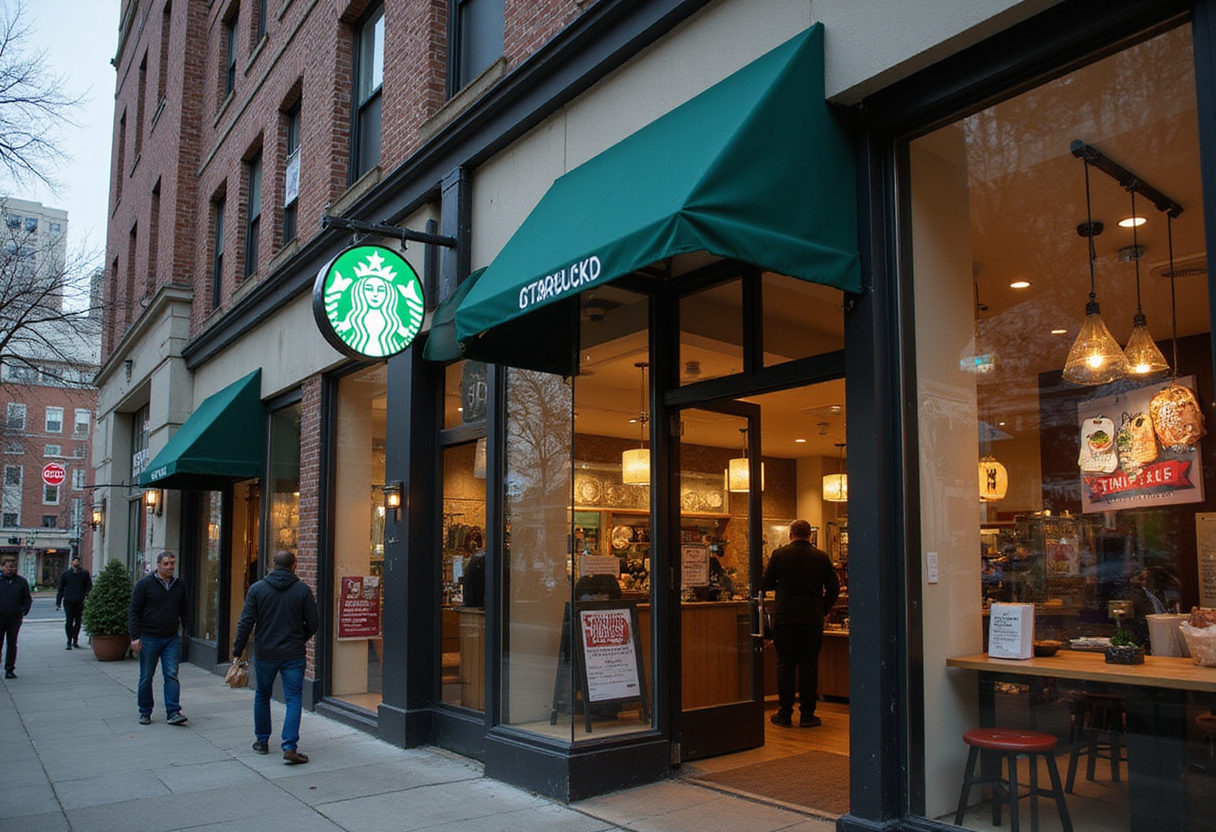
Starbucks is weighing a takeover bid for Chipotle, per a PYMNTS.com report. The headline — "Starbucks Weighs Takeover Bid for Slumping Chipotle" — names no offer price, financing structure, or board-level response from either chain.
The verbs matter. "Weighs" indicates evaluation, not a formal approach. A "takeover bid" in restaurant-industry M&A (mergers and acquisitions) practice is a published offer for a controlling stake, typically printed after both boards have agreed on price, financing, and change-of-control terms. The two stages are distinct: one is a private internal review, the other a public transaction.
Chipotle's "slumping" descriptor carries operational weight. For QSR (quick-service restaurant) operators, "slumping" typically connotes same-store sales declines (year-over-year revenue at locations open at least 13 months), traffic erosion, or both. The report does not specify which metric, nor the magnitude.
The figures an operator audience would expect are absent. The report does not state how many units either chain operates, where the geographic overlap sits, who would lead a combined company, or whether the buyer would assume existing franchise agreements or convert stores to corporate operation.
For an operator audience, the relevant questions land concretely:
What would the combination change operationally? A single owner would inherit two distinct service models: beverage-led throughput at Starbucks, assembly-line custom plating at Chipotle. Back-office consolidation in accounting, distribution, and real estate usually follows any restaurant merger of this scale.
What stays confidential under non-disclosure? Negotiation-stage talks carry legal protection. Until either company files a public disclosure with the Securities and Exchange Commission (the federal securities regulator requiring material-event reporting by public firms), details remain unverified.
What cost line draws first attention? Labor. Both chains employ hourly staff at scale, and both face the same state-level minimum-wage schedule. A combined entity would renegotiate wage structures at contract renewal, not at closing.
A confirmed deal would reshape the publicly traded QSR map. The sector has seen consolidation cycles before, though none of that history appears in this report. What's reported today is a single headline, sourced from one outlet. Whether the bid is real, rumored, or simply floated remains the open question.
Restaurant-industry readers should treat the report as a single-source flag rather than a confirmed transaction. Watch for an 8-K (the SEC short-form disclosure required within four business days of a material event) from either party, a major-wire-service leak, or a board statement. Until one prints, the only verified fact is the headline itself.
More from Rebecca Stone
Show full bio
Senior reporter covering technology and product news in Restaurant and hotel operations at The Pass Brief.
343 articles