Solo hotpot draws 1,000 to Jung Ji-sun’s Busan debut
About 1,000 people attended the May 28 Busan opening of Ten Ten Lai, where Lotte Department Store and FG unveiled solo Chinese hotpot with a shabu-shabu twist.
By Elena Vasquez
About 1,000 people attended the May 28 opening of Ten Ten Lai (天天來), the first store of a chef-led Chinese hotpot brand at Lotte Department Store’s Busan main store in Seo-myeon. The estimate came from FG, which co-developed the concept with Lotte and Chef Jung Ji-sun.
Jung gained recognition through Netflix’s Black and White Chef. Lotte Department Store and restaurant company FG jointly planned Ten Ten Lai with him, combining the retailer’s distribution expertise, FG’s brand-development capability and Jung’s Chinese-cuisine specialization.
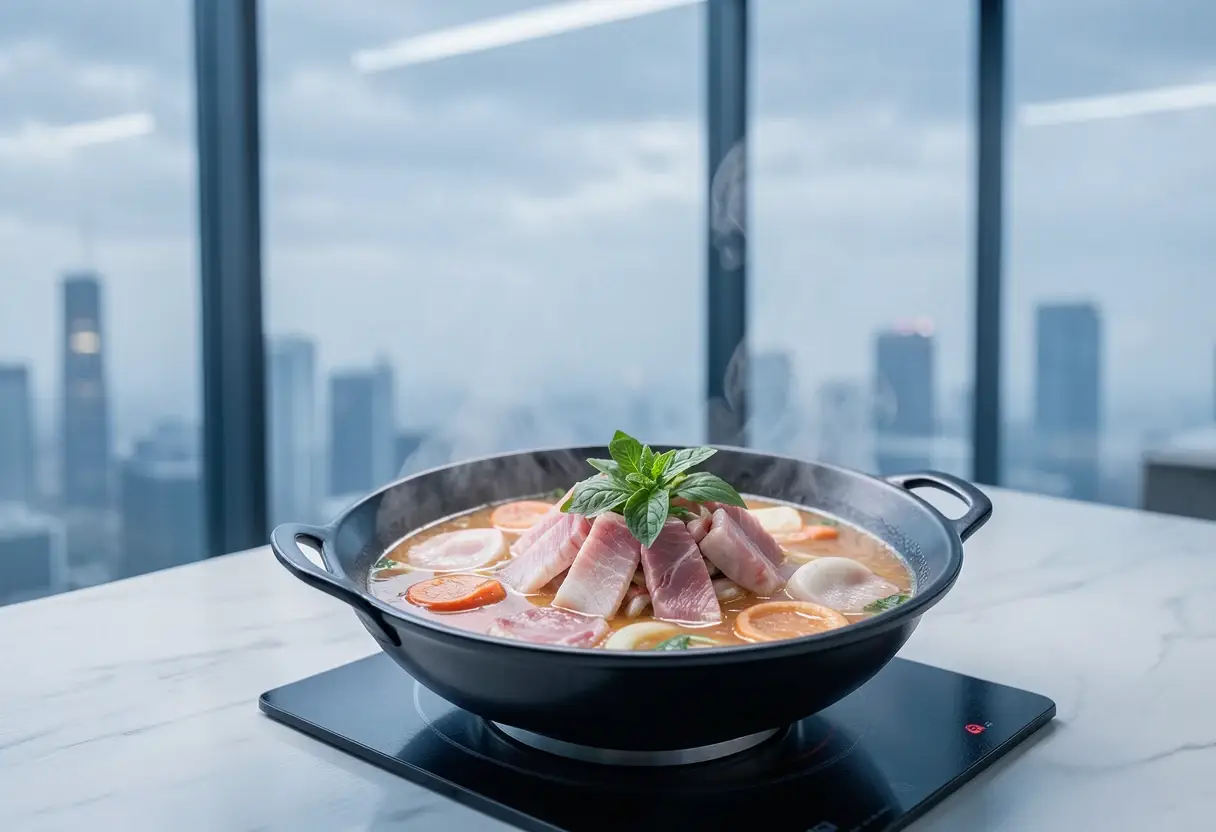
Customers seeking the new menu and fans hoping to see Jung attended the event. Ten Ten Lai combines Chinese hotpot and Korean shabu-shabu in a “shabu & hotpot” format designed for convenient solo dining.
What does the 1,000-person opening mean for operators?
The event confirms strong initial interest, but it does not establish sales performance or unit economics. The report disclosed no check average, menu prices, restaurant revenue, food cost, labor cost or operating margin. It also did not specify whether the Busan unit is company-operated or franchised. For operators, the 1,000 figure supports a launch-interest conclusion, not a profitability conclusion.
A menu built around a lower barrier to Chinese hotpot
Ten Ten Lai’s broths draw on familiar Korean ingredients and flavors, including mild anchovy, a fuller anchovy broth and spicy mushrooms. That sourcing approach lowers the barrier for consumers who recognize hotpot as a communal dining format but remain uncertain about Chinese broths.
The menu also connects with the recent spread of malatang and mala xiangguo among younger customers. Familiarity with Chinese spices and heat may encourage those consumers to consider hotpot as their next dining format. The source did not provide pricing, check averages or sales mix to determine whether the concept holds a value or premium position.
The chef-led menu extends beyond solo hotpot:
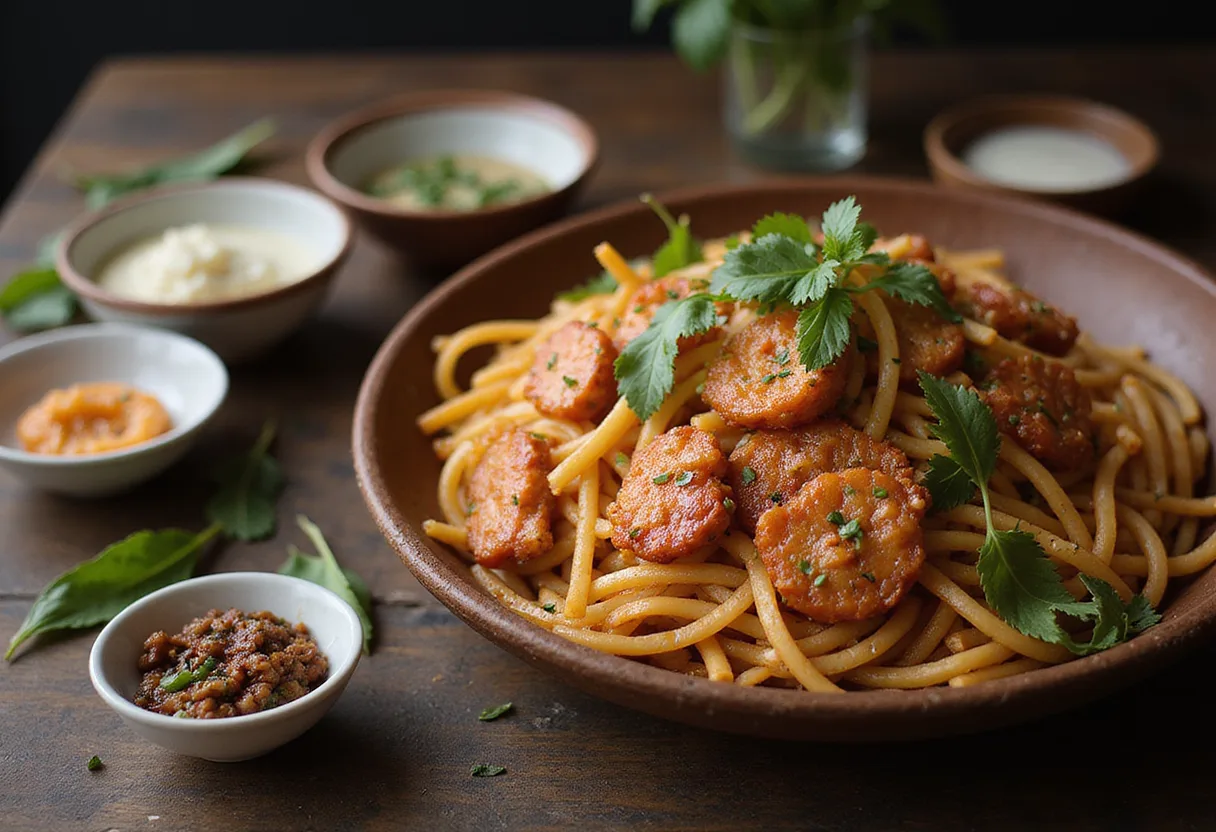
- Mapo tofu rice and mapo tofu noodles.
- Scallion-oil noodles.
- Mala xiangguo.
Those dishes use Jung’s Chinese-cuisine expertise and broaden the restaurant’s menu beyond its central hotpot proposition. Their sales contribution, however, remains unmeasured.
Lotte and FG built the brand rather than importing a concept
Lotte Department Store’s stated strategy was: “Instead of bringing in a restaurant, we create one directly.” The move departs from the retailer’s earlier practice of bringing already popular restaurants into its department stores.
The retailer and FG jointly planned the brand, combining Lotte’s retail knowledge, FG’s brand planning and Jung’s command of Chinese cuisine. The arrangement gives Lotte a way to differentiate its food-and-beverage content while Hyundai Department Store and Shinsegae Department Store compete to host well-known restaurants.
FG’s portfolio includes the Korean-dessert brand Buchang Bakery, solo shabu-shabu specialist Gangho Yeonpa and Western-style Pacific Pork Cutlet. Ten Ten Lai applies the shabu-shabu operating experience FG developed through Gangho Yeonpa, particularly its approach to serving individual customers.
Busan rather than Seoul
Lotte and FG could have launched in Seoul’s Gangnam or Seongsu, two common starting markets for new restaurant brands. Instead, they selected Seo-myeon, one of Busan’s largest commercial districts.
Lotte Busan reported that January-through-September sales to customers in their 20s rose about 15% from a year earlier. The broader department-store data suggest a growing flow of younger shoppers, but the increase applies to the store rather than Ten Ten Lai. Opening-event attendance likewise included chef fans and cannot establish how many visitors actually ordered food or generated revenue.
The enduring test comes after launch. Haidilao, a prominent Chinese hotpot chain, has also entered Korea’s solo-hotpot market. Ten Ten Lai must use its Korean shabu-shabu combination and broader menu to turn chef-driven curiosity into repeat visits and distinguish itself from that competitor. No disclosed pricing supports a direct comparison between the chains.
If Ten Ten Lai can translate the 1,000-person launch into repeat traffic and profitable solo-hotpot sales, its Busan debut could help establish one-person hotpot as the next Chinese dining format after malatang. If not, the opening would remain a chef-driven traffic spike rather than evidence of a durable restaurant trend.
More from Elena Vasquez
Show full bio
News editor covering people, launches and day-to-day practice in Restaurant and hotel operations at The Pass Brief.
652 articles