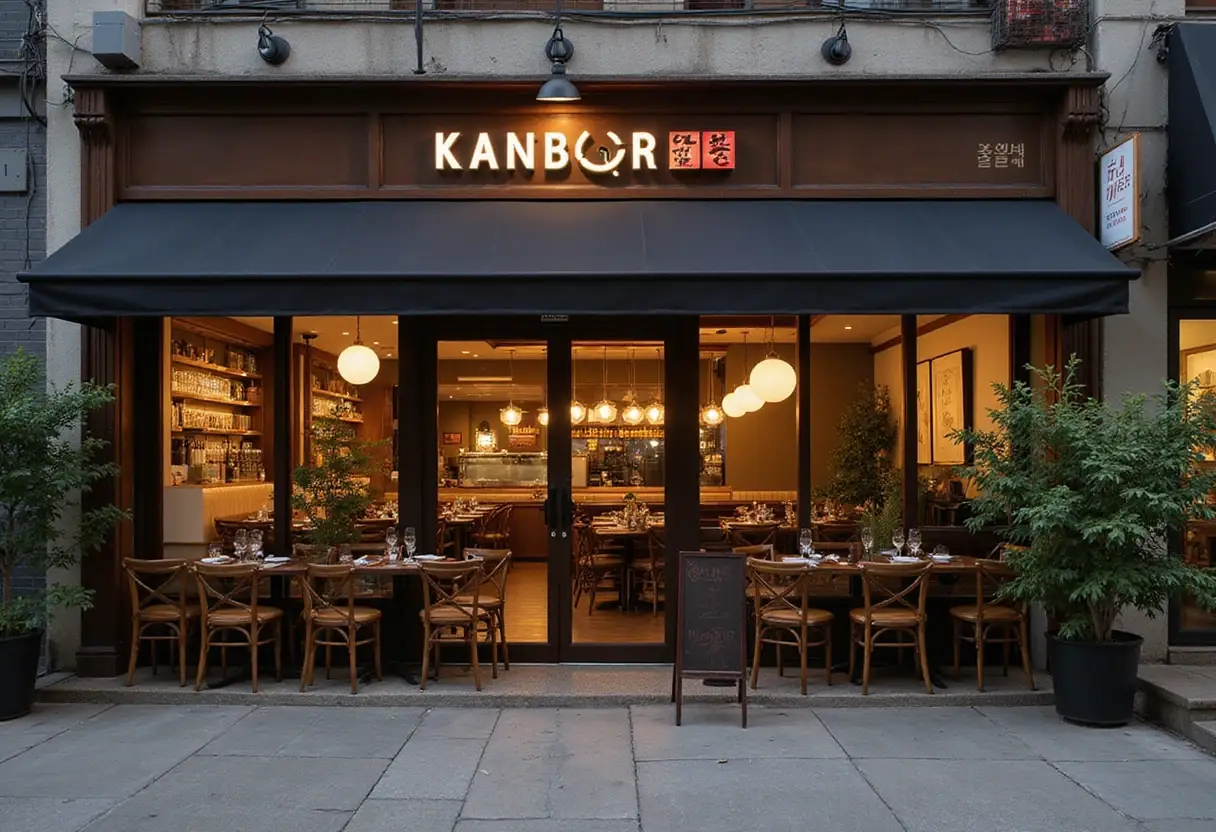
Namhae designates 111 restaurants for convenient solo dining
Namhae County, South Gyeongsang Province, has designated 111 restaurants for solo dining, delivered one-person table-and-chair sets and will provide tableware, hygiene support and promotion.

By Elena Vasquez
Namhae County in South Gyeongsang Province has designated 111 restaurants as “solo-friendly” establishments, beginning a support program for one-person households and tourists who eat alone.
The county Public Health Center said on the 9th that it had completed the first distribution of tables and chair sets for one-person dining to designated businesses. The announcement said 111 establishments had passed the county’s review as restaurants able to accommodate solo diners.
The program supports dedicated dining space and convenience facilities. After the initial table-and-chair sets, the county plans to distribute dedicated tableware and customized hygiene supplies in stages, with the mix of support determined by each establishment’s circumstances.
What does the designation change for solo diners and restaurant operators?
For diners, the immediate change is a physical place to sit plus a visible marker: participating restaurants will display a “Good Restaurant for Dining Alone” certification sticker.
- The county will list designated restaurants on its official website, social-media accounts and tourism-related websites so residents and visitors can find businesses that accept solo diners.
- Support starts with in-kind equipment rather than a disclosed cash subsidy: tables and chair sets for one-person dining have already entered participating restaurants.
- Later rounds will add dedicated tableware and tailored hygiene products, with selection based on each operator’s conditions.
- Namhae will inspect how designated businesses operate, how customers use the supplied equipment and whether convenience improves, then use those findings to shape future program decisions.
- The county plans to expand the number of participating businesses gradually while continuing required support.
- The initiative targets both one-person households and individual visitors, making restaurant access part of the county’s tourism planning as well as a local dining amenity.
For operators, the immediate benefit is in-kind support and public visibility, but the county disclosed no supply values, matching contribution, service fees, sales targets or operating standards. It also reported no average checks, covers, food costs or labor changes. The announcement therefore cannot establish whether participation changes gross margins or labor percentages.
The announcement announces no menu or staffing changes. The immediate operating intervention is seating and hygiene equipment, while the county’s websites and social channels provide the discovery layer. That distinction matters to operators assessing the program: participation centers on the dining environment and public awareness, not a disclosed overhaul of the food-and-beverage offer.
Namhae framed the initiative as a response to demand for individual travel and small-scale tourism. It also plans to examine links between local restaurants and tourism resources, extending the effort beyond physical improvements. The stated goal is to reduce inconvenience for people choosing a restaurant alone and to improve information about solo-dining options.
A county Public Health Center official said: “As one-person households and individual tourists increase in the tourism environment, we are creating conditions so people can dine conveniently alone. We will continue checking designated establishments’ operating conditions and providing needed support while gradually expanding participation.”
The announcement also makes clear that the 111 designations do not end the county’s role. Officials plan to track support-item use and customer convenience, check operating conditions and adjust future support accordingly. Accurate listings will matter as much as the physical equipment, because residents and visitors will need to identify restaurants that accommodate one-person dining.
The next phase will test whether staged equipment support, operating inspections and broader online promotion can turn the 111 designations into a practical dining option as participation expands.
More from Elena Vasquez
Show full bio
News editor covering people, launches and day-to-day practice in Restaurant and hotel operations at The Pass Brief.
652 articles