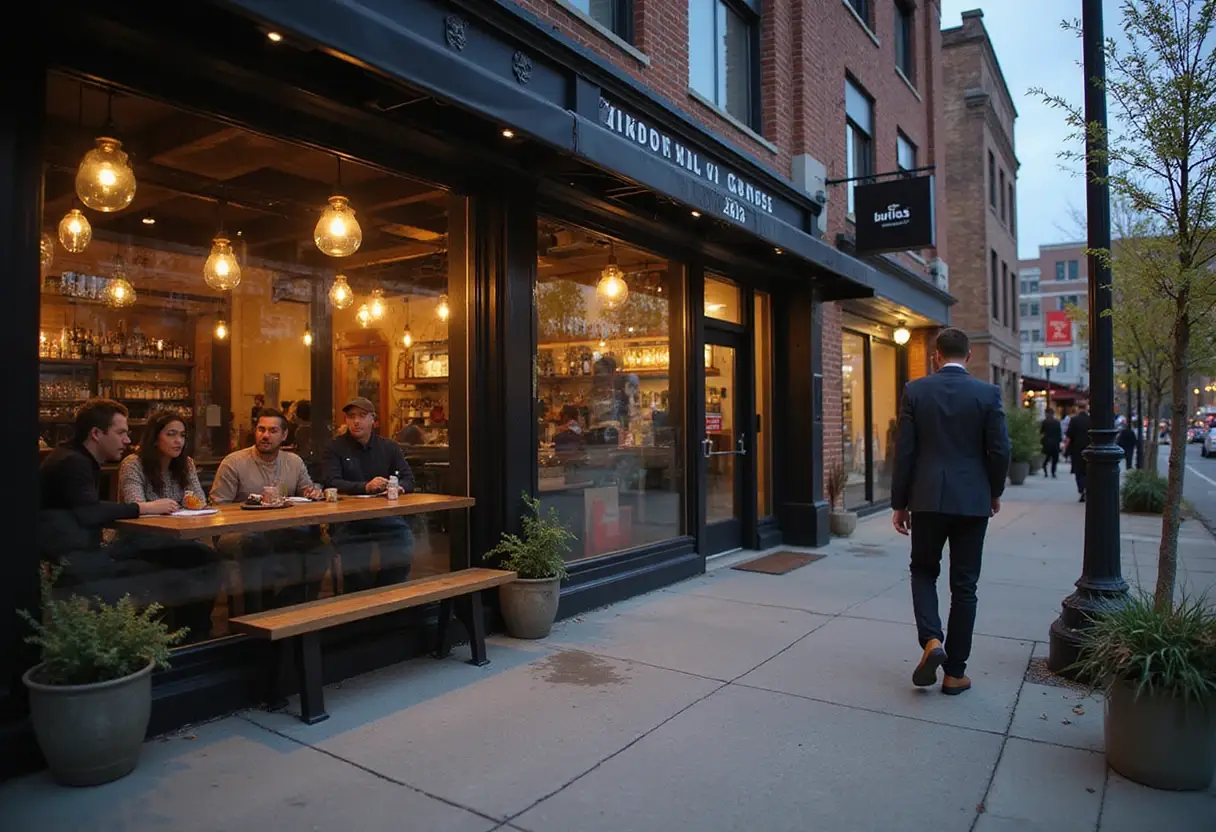
Guckenheimer Recasts Office Dining as Culture Tool, Not Perk
Guckenheimer says office dining has moved beyond return-to-office perks, using culinary programs, mobile ordering and tailored nutrition messaging to build belonging.
Six years after the pandemic began, Guckenheimer says office food has stopped functioning as a return-to-office perk and now operates as infrastructure for company culture. The foodservice provider is rebuilding its corporate dining programs around that premise, and it is betting that employees will judge workplace cafes by the same standards they apply to restaurants outside the office.
Amelia Ekus, Guckenheimer's Head of Hospitality and Innovation, put the shift bluntly. The perk framing no longer covers what the programs actually do.
What has changed in B&I dining?
Ekus said the change is structural, not cosmetic. Dining programs now carry three jobs at once: they drive attendance, they function as an amenity, and they connect employees to each other and to the employer's brand values.
"We see culinary programs as a place to create a sense of belonging for employees that are coming into their workspaces," Ekus said. "Of course, it's a driver of attendance, of course, it's seen as a perk and an amenity, right. But what we're really seeing is it's a way for individuals to connect to one another and also to connect to their organization and what the brand values are of the organization that they work for."
The claim deserves scrutiny. Ekus offers no attendance data, no utilization figures and no client casework to support the belonging argument. The evidence is directional: a pattern her team reports observing across client sites, not a measured result.
How does the strategy translate into operations?
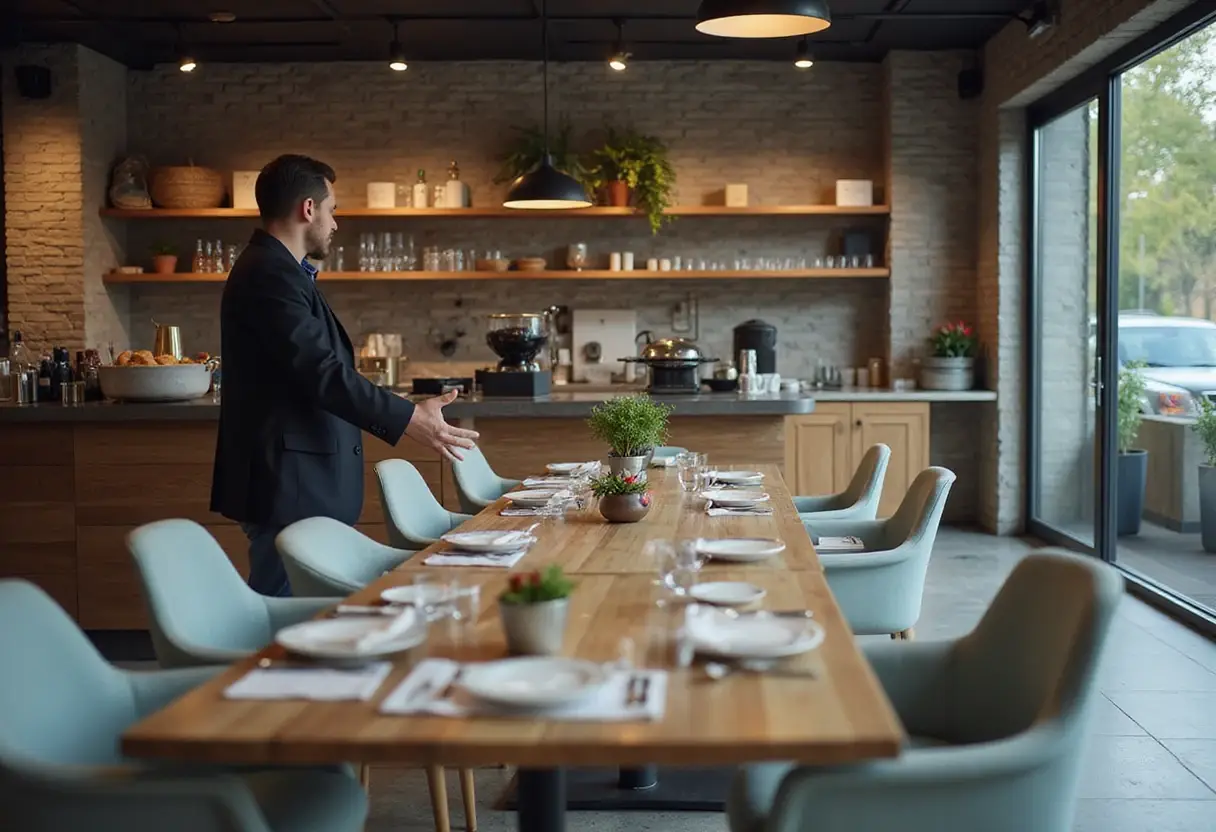
Two concrete levers emerge. First, design. Guckenheimer is building dining spaces meant to promote inclusion and gather people, on the theory that companies pushing in-office work believe collaboration happens when employees share physical space.
"Food will be, as it always has been, a catalyst for that and a space for people to opt into that level of gathering," Ekus said.
Second, technology. Guckenheimer is leaning into mobile ordering because, as Ekus put it, "people are really familiar with that experience." The system replaces queue-based counter service, though the source does not specify which vendors Guckenheimer uses or who bears the cost. That omission matters. In contract foodservice, tech deployments are typically negotiated per client, and the payer shapes adoption speed.
What is happening on the menu?
The menu changes track consumer trends rather than workplace-specific demand. Ekus said protein- and fiber-focused items have grown in popularity, and diners increasingly seek foods that offer cognitive support.
"I think people are starting to dip into kind of brain performance and understanding that food can really have an impact on both body and brain performance," Ekus said.
Nutrition messaging is tailored client by client. Some offices put nutrition information front and center. Others take a quieter approach — one example: soda hidden behind frosted glass, with water and other hydration-focused beverages placed in the most visible position. Ekus framed the calibration as client-driven, dependent on how prescriptive each organization wants to be with its workforce.
Does health focus kill comfort food?
No, according to Ekus. Diners practice moderation rather than restriction, using the information Guckenheimer provides to make their own choices.
"People are understanding food as medicine more so than they ever have before," Ekus said. "People are taking a lot of agency into how they interact with food as a driver of their wellness, and that's not just eat healthy food. It's eat food that makes me feel good."
That statement is a promise about diner behavior, and it comes without sales mix or participation data to back it. What is clear is the commercial logic: wellness positioning lets Guckenheimer sell menu engineering and program design as culture work, a harder claim for clients to cut than a perk line item.
Going forward, Ekus expects technology investment and community-building to run in parallel, with office dining rooms remaining the physical anchor where employees choose to gather.
More from Marcus Bennett
Show full bio
Market editor covering technology and product news in Restaurant and hotel operations at The Pass Brief.
626 articles