China-Based Chains vs. Malaysian Restaurants: The Economics of a Culinary Standoff
China-based chains run 30-dish menus and RM4,500 wage offers against Malaysia's 120-dish, RM2,500 model — with smuggled seasonings and JV shifts in between.
By Marcus Bennett
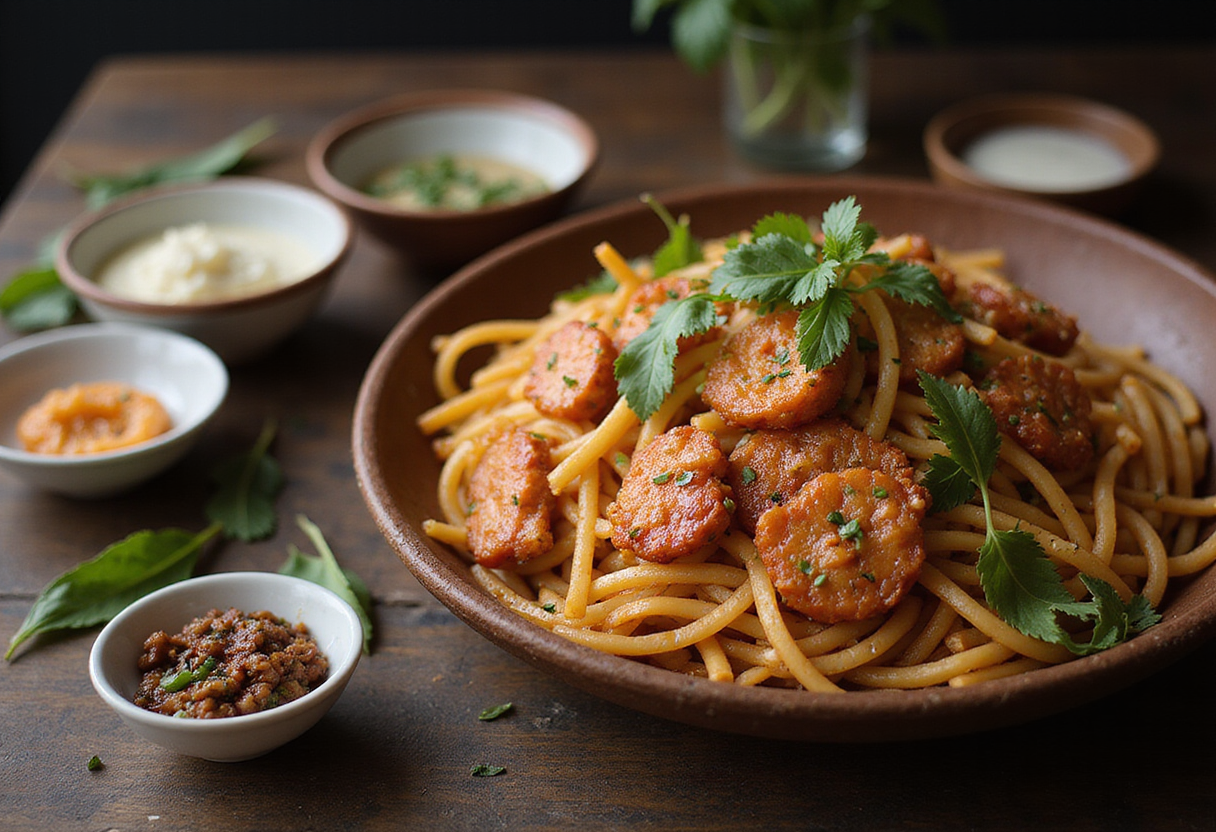
A bowl of noodles at RM9.90 against a rival's RM13.80, under identical raw material, rent and labour costs: that is the arithmetic now confronting Malaysian Chinese restaurant operators as China-based chains expand across the market. Two industry association presidents, Gao Hao Yun and Chong Kam Fai, laid out the competitive gap in interviews with Sin Chew Daily — and the gap is structural, not cosmetic.
How wide is the systems gap?
Gao, president of the Malaysia-China Restaurant Industry Association and a 15-year resident of Malaysia, put a number on it. "China is at least five years ahead. Operators in China have honed their skills in a massive, hyper-competitive market over many years," he said.
The advantage lies in organisation, not recipes. Many Malaysian Chinese restaurants still run traditional structures — owner, head chef, sous chef, floor staff. China-based chains have built modular, standardised systems where front-line turnover does not disrupt operations or taste consistency, which enables rapid scaling.
Local operators hold the counterweight: flavours refined over decades that foreign chains cannot easily replicate. Chong, president of the Pan Malaysia Koo Soo Restaurants and Chefs Association, offered mapo tofu as the case in point. "Local versions rarely use Sichuan peppercorn oil. While chefs from China might consider the Malaysian version inauthentic, local diners genuinely prefer the local flavour," he said.
What does menu engineering reveal?
The menu is where the two models diverge most sharply. China-based chains offer 20 to 40 curated dishes; Malaysian Chinese restaurants routinely carry 80 to 120 or more.
"By focusing on 30 to 40 items, kitchen teams ensure every dish meets high quality standards. Breaking down the menu at the system level makes technical quality control vastly easier," Gao said.
Chong rejected the lean approach for the local market. "In Malaysia, menu diversity is non-negotiable — that is the beauty of our multicultural society. Without variety, a restaurant will quickly close," he said. He noted that even Michelin-starred specialised concepts have struggled to survive long-term in Malaysia.
The menu dispute is really a sourcing and pricing dispute. A thin menu concentrates purchasing on fewer ingredients and simplifies quality control across units. A broad menu serves a multiracial customer base spanning sweet, sour, spicy and bitter preferences. Neither model wins outright; each trades margin concentration against demand coverage.
Who is poaching whom?
China-based chains pay above local rates to recruit Malaysian workers, and some local owners blame them for escalating labour shortages. Gao reframed the complaint as a wage-floor problem.
"If a worker's capability commands RM5,000, paying them RM2,500 is unfair," he said. He added that talented young Malaysian Chinese previously left for Singapore or Australia because of low domestic pay.
"If you face a labour shortage while capping pay at RM2,500, is that fair? Raise the offer to RM4,500 and staff will stay," he said.
Chong described a tiered labour market rather than wholesale poaching. Front-of-house staff move frequently for better pay; core kitchen personnel stay put. "Head chefs and senior kitchen staff in local restaurants already earn competitive salaries — often exceeding RM10,000 for head chefs and RM8,000 to RM9,000 for seniors," he said. Strong team relationships, he argued, are not easily bought.
His prescription for the front-of-house wage war is technology: AI ordering systems, mobile app ordering and automated service tools to cut reliance on floor staff. He did not say who bears the capital cost, and that omission matters for small operators.
What about compliance and smuggled seasonings?
Chong flagged a regulatory gap that catches many China-based operators: signage rules. Malay wording (Bahasa Melayu) must be larger than Chinese characters on commercial signboards, and operators from China frequently do not know this. "If foreign operators align with local norms, they gain a distinct advantage. Disregarding local culture and regulatory frameworks will ultimately cost them," he said.
Gao raised a sharper food-safety question. Legitimate imports — after shipping and taxes — should price Chinese seasonings 5% to 8% above retail prices in China. His market research found certain seasonings selling cheaper in Malaysia than in China.
"Under what circumstances does a merchant sell at a loss? Are unethical distributors importing near-expiry, expired, or unlabelled goods through illicit customs channels? What does this mean for food safety?" he said. He called on authorities to intervene before the situation deteriorates. No enforcement agency has yet acted, and no deadline exists.
Why are joint ventures replacing franchising?
The operating model for China-based F&B brands in Malaysia has shifted. Hotpot and tea chains expanded rapidly through master franchising in 2022, with hands-on setup guidance from Chinese headquarters. Franchise models then hit management consistency and quality control problems. Brands now favour direct joint ventures.
"The local partner provides capital and local regulatory expertise, while the Chinese brand manages daily operations. This structure ensures full legal compliance and smooth administrative approvals," Gao said.
The association presidents agree the endgame is convergence, not conquest. "If both sides integrate based on mutual understanding, new hybrid dining concepts can emerge. But this fusion cannot be superficial — it requires time," Chong said. Gao's RM9.90-versus-RM13.80 challenge suggests local operators will not get much of it.
More from Marcus Bennett
Show full bio
Market editor covering technology and product news in Restaurant and hotel operations at The Pass Brief.
343 articles