Six Vanished Thanksgiving Dishes Get a Second Look From Chefs
Creamed onions from 1896, oyster dressing killed by supply chains, and a 1958 blizzard that spawned hot Dr Pepper: six forgotten Thanksgiving dishes and the economics behind their decline.
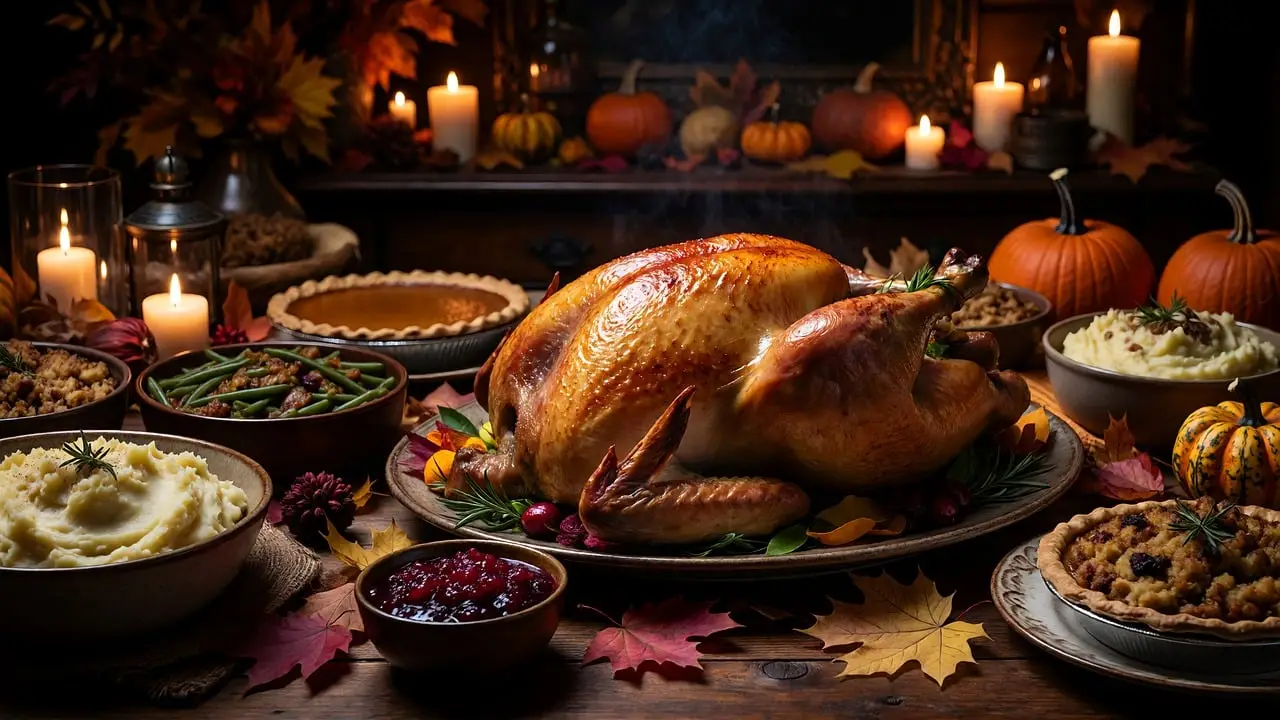
Thanksgiving menus haven't always meant green bean casserole and mac and cheese. Six dishes that once anchored the American holiday table — creamed pearl onions, oyster dressing, mincemeat pie, savory aspic, molded cranberry salad and even a heated soda — have all but disappeared, and a New Jersey chef is mapping exactly why they fell and what it would take to bring them back.
"Older Thanksgiving menus often included dishes such as creamed onions, oyster stuffing and mincemeat pie," said Dennis Littley, a New Jersey-based chef and founder of Ask Chef Dennis. "Some have become less common as tastes and holiday menus have changed, though people still bring them back when they want to revive a family recipe."
What killed each dish?
The mechanisms differ, and most of them trace back to sourcing or equipment rather than taste alone.
- Creamed pearl onions appear in cookbooks as early as 1896 and were a Thanksgiving regular by the 1920s. The dish pairs tender onions with a buttery white sauce resembling French béchamel, and the arrival of frozen pearl onions made it dramatically easier to execute. Chef Thomas Keller has said his mother's creamed onions are a Thanksgiving dish he "can't live without."
- Oyster dressing — shucked oysters and their brine folded into bread, celery and spice stuffing — was a staple in the 1800s, when refrigerated railcars kept oysters widely available. It's rooted in British cooking traditions. The dish faded in the Northeast as oyster populations declined and cooks pivoted to sausage-based stuffings. That's a supply-chain story, not a preference shift.
- Mincemeat pie held the dessert slot before pumpkin and apple took over. The original filling mixed dried fruit, spices and citrus with beef or mutton and suet, the animal's rendered fat. The meat dropped out of most modern recipes, leaving a spiced fruit filling that kept the historical name.
- Savory aspic started as an elaborate centerpiece of upscale French cooking: bones, skin and feet simmered until the collagen-rich broth set on its own. Commercial gelatin and home refrigeration made it practical, and by the mid-20th century savory molds packed with meat, seafood, vegetables or hard-boiled eggs were fashionable at holiday gatherings. The dish is seeing a modern resurgence as chefs reinterpret it as edible art.
- Molded cranberry salad got a corporate push. Hellmann's advertised a "Cranberry Souffle Salad" in 1958 — cranberry sauce, gelatin, mayonnaise, fruit and nuts, whipped fluffy and served on lettuce. A 1960 follow-up ad went further with cranberry "candles" molded in juice cans and topped with lit birthday candles.
- Hot Dr Pepper was a winter sales play from the 1950s and 1960s. The recipe: heat the soda to roughly 180 degrees Fahrenheit and pour it over a slice of lemon. According to the Dr Pepper Museum, the idea was born in September 1958, when company president Wesby R. Parker visited a bottling plant during a blizzard and a salesman joked they needed a hot drink to sell in the cold. Some later versions added rum.
What does this change for operators?
For restaurants running Thanksgiving service or holiday pop-ups, these dishes are low-cost nostalgia plays. Creamed onions, aspic and molded salads rely on cheap base ingredients and ahead-of-time prep — exactly the labor arbitrage holiday menus reward. Oyster dressing carries commodity risk that sausage stuffing doesn't, which explains the historical swap. Expect the revival trend, already visible in aspic's comeback, to keep pulling forgotten dishes back onto seasonal menus as chefs bank on nostalgia to justify premium pricing.
More from Olivia Hart
Show full bio
Staff writer covering regulation, policy and their impact on Restaurant and hotel operations at The Pass Brief.
788 articles