Eater Names Its First National Dishes of the Year for 2026
Eater's first national Dishes of the Year list spans five independents, including a $145 tasting menu in Chicago and a $17 waste-stream fish dish in Cleveland with real menu economics.
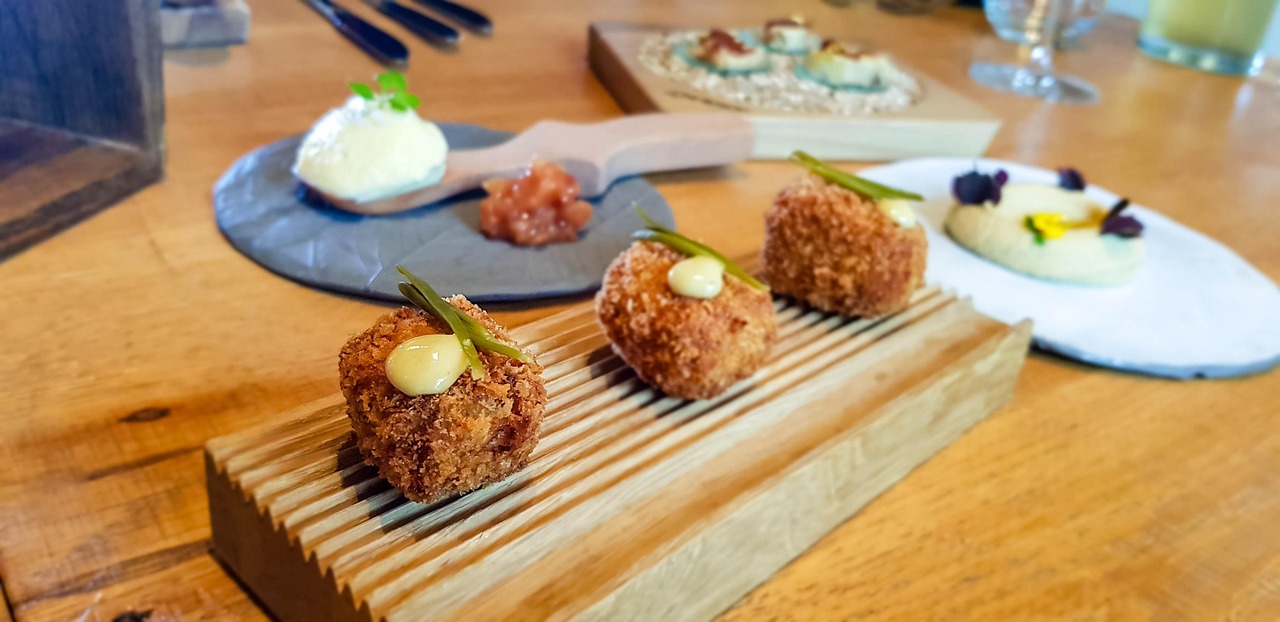
Eater editors ate in hundreds of restaurants across the country this year and selected five dishes for a brand-new national award category, the 2026 Dishes of the Year, part of the Eater Awards presented by Capital One. The list is short on exotic proteins and long on familiar ingredients pushed into unfamiliar forms: toast, chicken, dip, melon, and a Midwestern freshwater fish.
The economics behind two of the five winners are worth an operator's attention. The rest is editorial taste dressed as news.
What did the editors actually pick?
- Puffed grain toast at All Well, Chicago. The dish is available only within a five-course tasting menu priced at $145, not a la carte. Chef Larry Feldmeier spent three years at two-Michelin-starred Oriole before partnering with Noah Sandoval, the 2025 James Beard winner for Best Chef: Great Lakes, to open the West Loop restaurant.
- Island curry crab and callaloo dip at Dougla Kitchen, Oklahoma City. Chef Andrew Black draws on his Indo-Jamaican upbringing in an industrial downtown dining room. The dip arrives with taro chips and hand-picked crab.
- Roast chicken and Caesar panzanella at Henrietta, Los Angeles. A half chicken with char marks, scorched lemon, and a Caesar panzanella built on bread from neighboring Clark Street Bakery.
- Cantaloupe and verjus terrine at Junior, Nashville. Chefs Philip Krajeck and Brian Mejia compress locally grown French-variety melon and suspend it in clarified cantaloupe juice and verjus gelatin.
- Pickled walleye cheeks at Rosy, Cleveland. Priced at $17 on an Eastern European-leaning menu.
Where is the operator story?
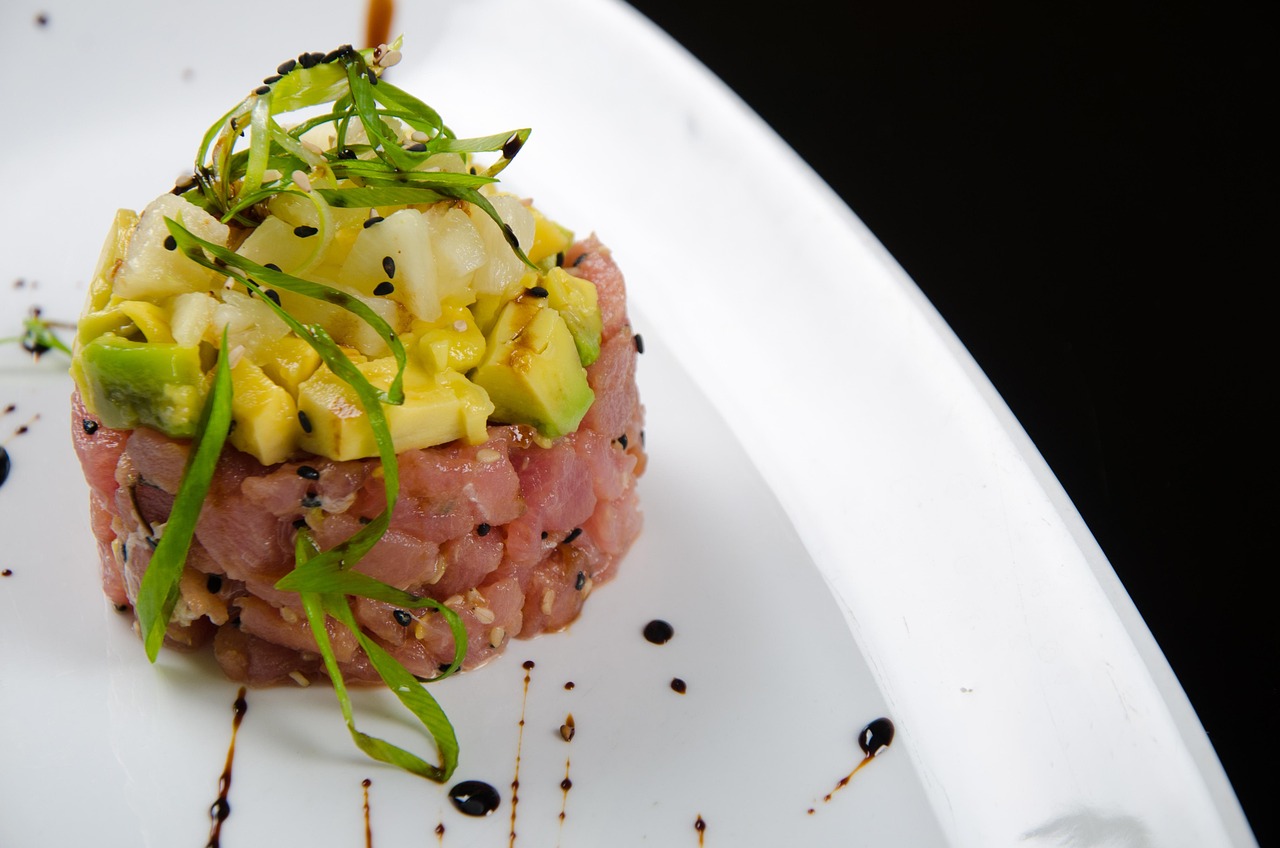
Rosy is the entry with real menu-engineering substance. The restaurant opened in February 2026. Its pickled walleye cheeks run roughly four days at a time, approximately every three weeks, because supply is a byproduct of fabrication, not a standing order. Kate's Fish at Cleveland's West Side Market supplies walleye filets for sister restaurant Cordelia; the fishmongers save the cheeks during breakdown until the stash is large enough. That is waste-stream sourcing converted into a premium plate, and the $17 price attached to a cut most kitchens discard.
Chef Vinnie Cimino framed the dish as a nod to Jewish fish-pickling practices, with seasonal vegetables pickled in lemon alongside cheeks hot-pickled in red wine vinegar, salt, sugar, bay leaf, peppercorns and coriander. "People really gravitate toward it," Cimino said. "We've built up a great trust with our diners." The seasonal rotation — German-style potato salad early on, asparagus in spring, bell pepper, carrot and dill by June — keeps a recurring item from reading as static on the menu.
The caveat: the dish appears roughly twelve to sixteen days per quarter. That scarcity may drive trust or may simply cap the revenue it can generate. The source does not say.
Is roast chicken still a differentiator?
The Henrietta citation concedes the premise of its own award. Eater's own text calls 2026 "the year of the Great Chickening," noting roast chicken has become many restaurants' calling card and, in the site's words, "an easy way into the cultural cache." Sqirl's new dinner menu and Pasjoli both landed what the editors call progressive spins on the dish in Los Angeles alone. Henrietta wins on "brazen simplicity," an aesthetic judgment rather than an operational one.
For operators, the signal is pricing through familiarity. A chicken dish referencing Zuni Cafe in San Francisco, dressed with a Baja-born Caesar and local bakery bread, lets a neighborhood bistro charge bistro prices for a low-cost-of-goods protein. The editors did not print the check average.
What is not in the list?
No chain concepts. No franchised units. Every winner is an independent, chef-driven restaurant in a major or midsize metro, which limits what the awards say about the broader industry. The tasting-menu toast carries a $145 entry price. The walleye cheeks carry $17. The other three dishes carry no published prices at all.
Eater says editors selected the winners after dining across hundreds of restaurants nationwide; the full methodology lives on the awards page. Expect the chicken trend, not the $145 toast, to be the part of this list that travels beyond five dining rooms.
More from Marcus Bennett
Show full bio
Market editor covering technology and product news in Restaurant and hotel operations at The Pass Brief.
713 articles