Six Chicago Hotels on Strike as Action Enters Second Week
Six of forty-six Chicago hotels entered week two of a hotel workers' strike, with hundreds of unionized employees on the line and no reported settlement. The public numbers are limited.

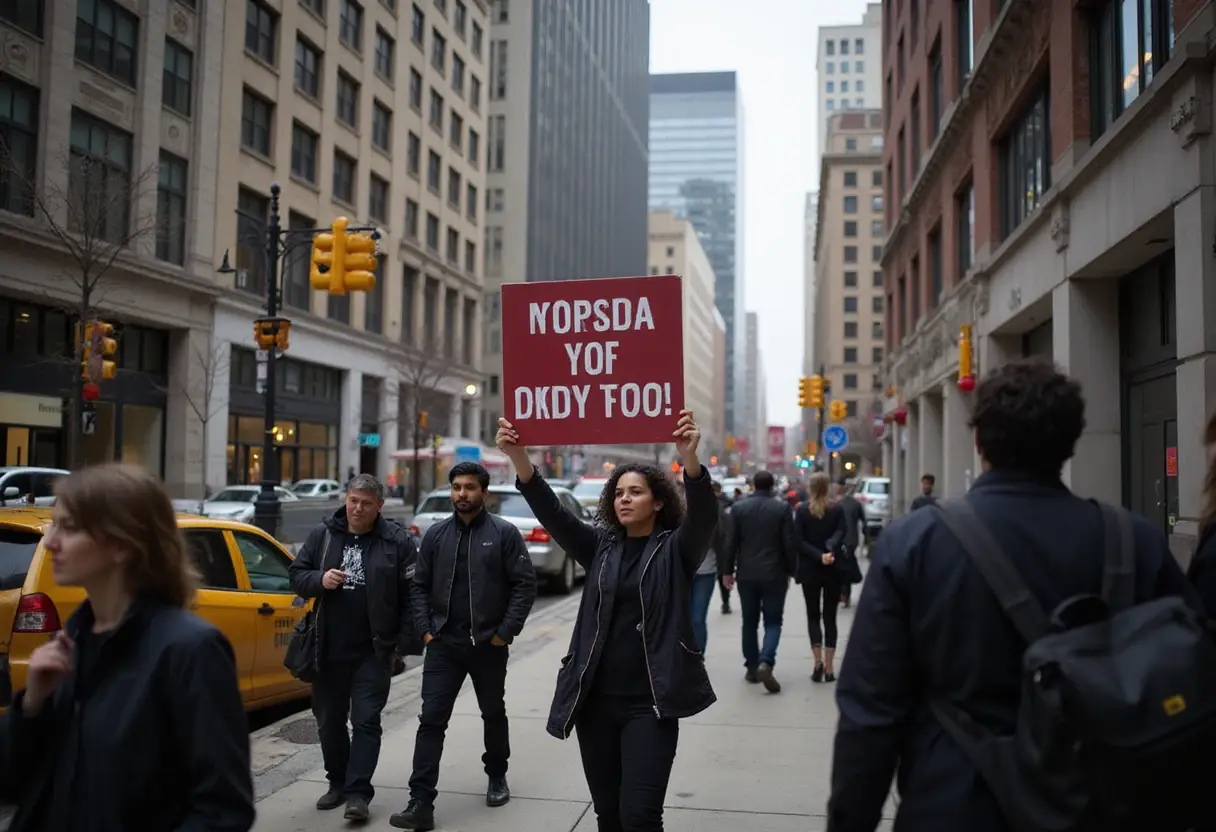
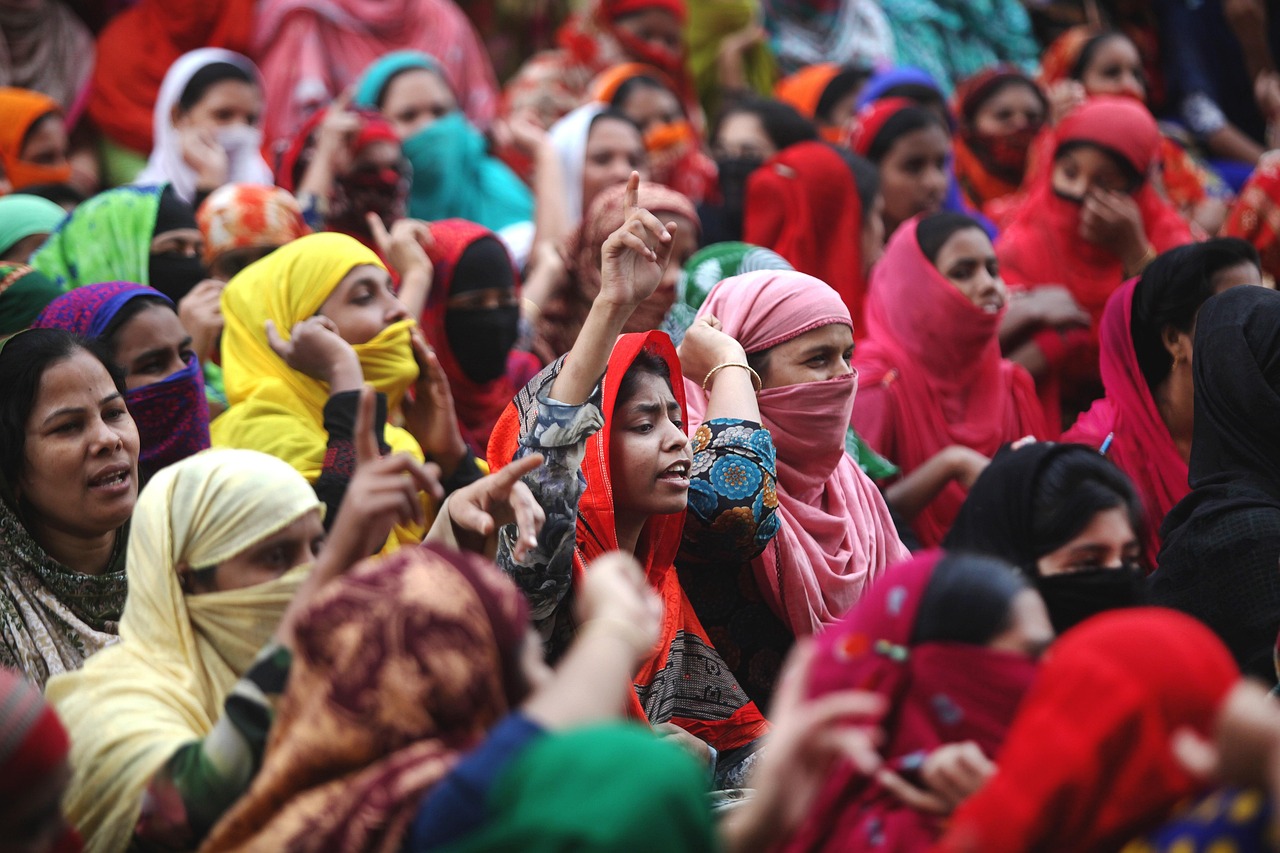
Six of forty-six: that's the count from the Chicago hotel strike as it stretches into its second week. Hundreds of unionized workers remain on the picket line at six hotels, while the other forty properties in the bargaining group continue operating, the World Socialist Web Site reported.
The action, now past day eight, has produced no publicly reported settlement or return-to-work framework. The numbers available are limited: hundreds of workers, six struck hotels, forty-six in the bargaining group, two weeks without a deal. Wage rates, healthcare contribution percentages, workload language, and contract length — the four figures that typically decide a hotel labor fight — are not yet on the public record.
What does this change for Chicago operators?
The math reads differently for the six struck properties than for the forty non-struck hotels sitting in the same bargaining group. The struck operators carry the immediate cost: displaced room nights, canceled group and banquet business, F&B disruption, and whatever third-party labor has been brought in. The non-struck properties continue to operate and capture revenue, but they sit inside the same negotiation. The picket lines that started outside someone else's lobby can land at their own front desk before any contract is signed.
Six of forty-six is roughly 13% of the bargaining group — a workable proportion for the Chicago hotel market, and a credible signal to every operator at the table that the action could expand if talks stall. For ownership groups with assets on both sides of the picket line, the calculus tightens further: a settlement at the struck properties will set the template for the non-struck ones, and the non-struck revenue effectively subsidizes the wait.
Why confine the strike to six hotels?
A concentrated walkout preserves escalation capacity. The crews are already organized, the legal scaffolding is already in place, and the union can broaden the action to twelve properties, then twenty, then the full forty-six, if management does not move. That optionality is the leverage that compounds across week two. It also keeps the union's daily strike-fund payout smaller, which matters in any labor action that stretches past a fortnight.
For guests holding reservations at the struck properties, the practical questions are immediate: relocation, loyalty-point treatment, and which F&B outlets stay open when housekeeping and stewarding crews are off the job. Brand-level operators with centralized reservation systems face their own decision — absorb the rebooking in the struck market, or push guests to sister properties elsewhere in the group.
What we don't yet know
The public reporting names no hotels, no ownership companies, no specific wage demands, and no management-side spokesperson. Until those numbers appear, every operator in the 46-hotel group is reading the same headline and asking the same question: when does week two become week four, and which side moves first?
More from Daniel Okafor
Show full bio
Correspondent covering companies, deals and strategy in Restaurant and hotel operations at The Pass Brief.
441 articles