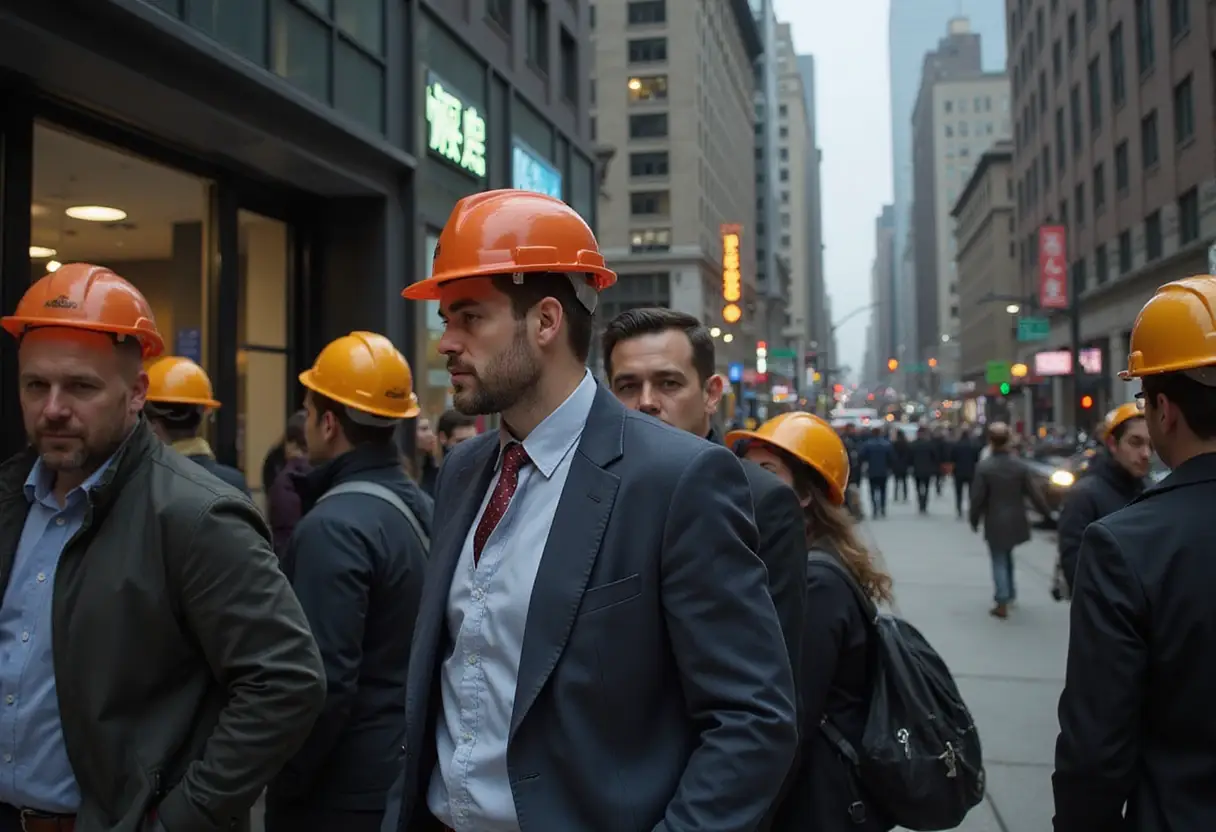
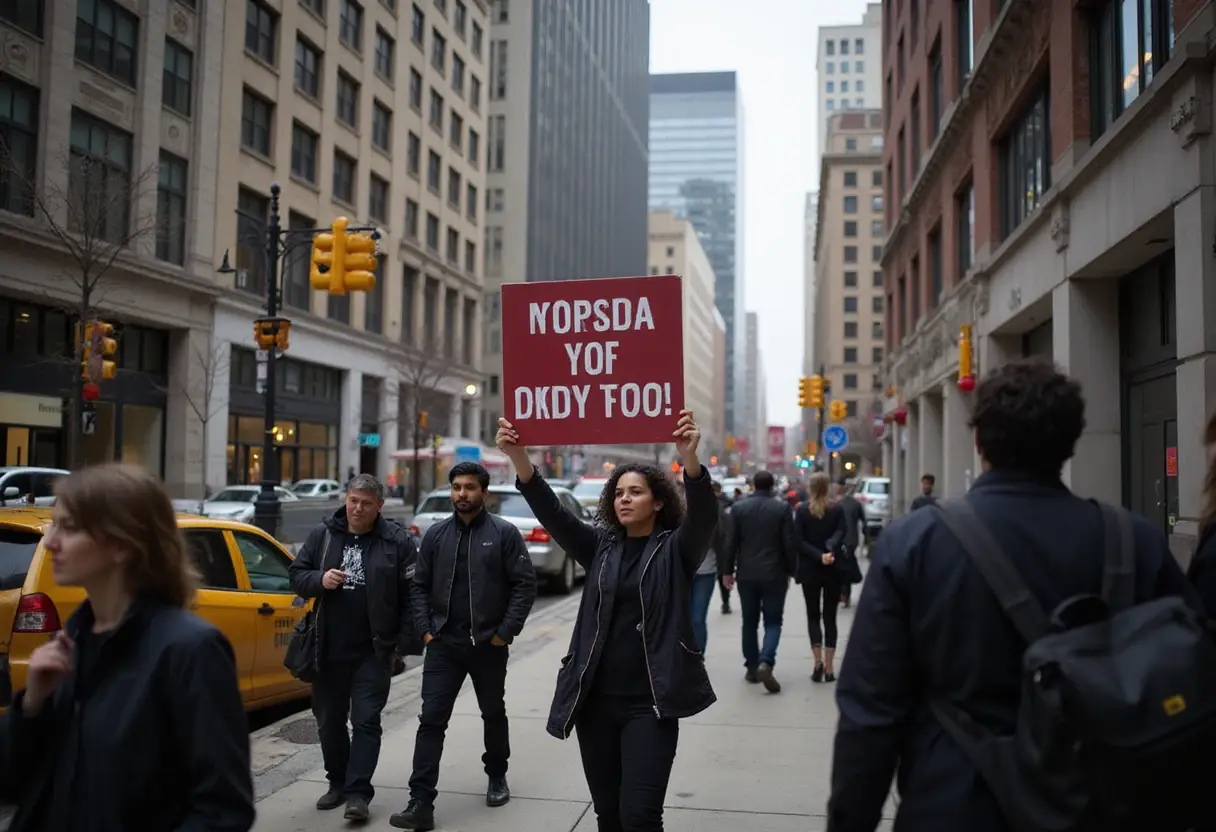
Chicago hotel strike enters second week; walkout threat spreads
Chicago hotel workers logged seven consecutive days on strike, with employees at additional properties prepared to walk out according to People's World. No return-to-work date announced.
By Rebecca Stone
Chicago hotel workers logged seven consecutive days on the picket line, with employees at additional properties prepared to walk out, according to People's World. The action has produced no announced return-to-work date.
The source confirms three facts only: a strike in progress, a seven-day duration, and an explicit expansion warning. Property names, contract demands, and bargaining-unit counts do not appear in the headline summary released to date.
What does a multi-day hotel strike typically cost operators?
Hotel labor actions compress revenue faster than they compress fixed cost. Rooms remain occupied, but housekeeping service degrades; food and beverage operations run with reduced staffing; meeting and event bookings face cancellation pressure from planners unwilling to risk service gaps.
Labor cost as a share of revenue rises during any partial-staffing period, since fewer workers must cover the same occupied-room base. Operators absorb the hit through overtime for non-striking staff and temporary-agency premiums. They also reduce service frequency — a combination that erodes gross operating profit disproportionately to the headline revenue loss, in standard hospitality accounting terms.
Why does Chicago exposure matter beyond the struck properties?
Chicago's lodging market depends heavily on convention and corporate group demand, with several downtown flags running near full occupancy during peak convention weeks. Disruption of a single full-service property ripples through shared services — linen suppliers, third-party housekeeping contractors, in-house food and beverage vendors — and can affect competitors that are not on strike.
The longer an action runs, the higher the recovery cost for group bookings already displaced to other markets, since displaced meeting planners rarely rebook the original property at original rates. Brand-level reputation drag also accrues during extended service degradation, even at non-striking sister properties within the same flag.
What does "more workers could walk out" actually signal?
A single-property dispute is a labor story. An expansion warning is a market story. Operators at adjacent properties must price the probability of contagion into scheduling, inventory and revenue-management decisions immediately.
Some will accelerate contract talks preemptively; others will hold firm on labor-cost targets. The variance in operator response is itself a leading indicator of where bargaining leverage currently sits across the local market.
What remains undisclosed from the source material?
Contract terms, the specific unions involved, the property count and any employer counter-offer are absent from the headline summary. People's World, a labor-affiliated outlet, may carry fuller operational detail in its full report.
Until that reporting surfaces, the operational scope of the action cannot be priced by competitors or investors tracking the flagged properties.
Where does this go from here?
Hotel labor disputes in major U.S. markets historically resolve within a few weeks or escalate to a citywide action. The next reporting cycle should clarify property count, contract demands and any employer response, and that data will determine whether the second week ends in settlement or spread.
Until then, Chicago hoteliers are operating without an expiration date on the disruption.
More from Rebecca Stone
Show full bio
Senior reporter covering technology and product news in Restaurant and hotel operations at The Pass Brief.
462 articles