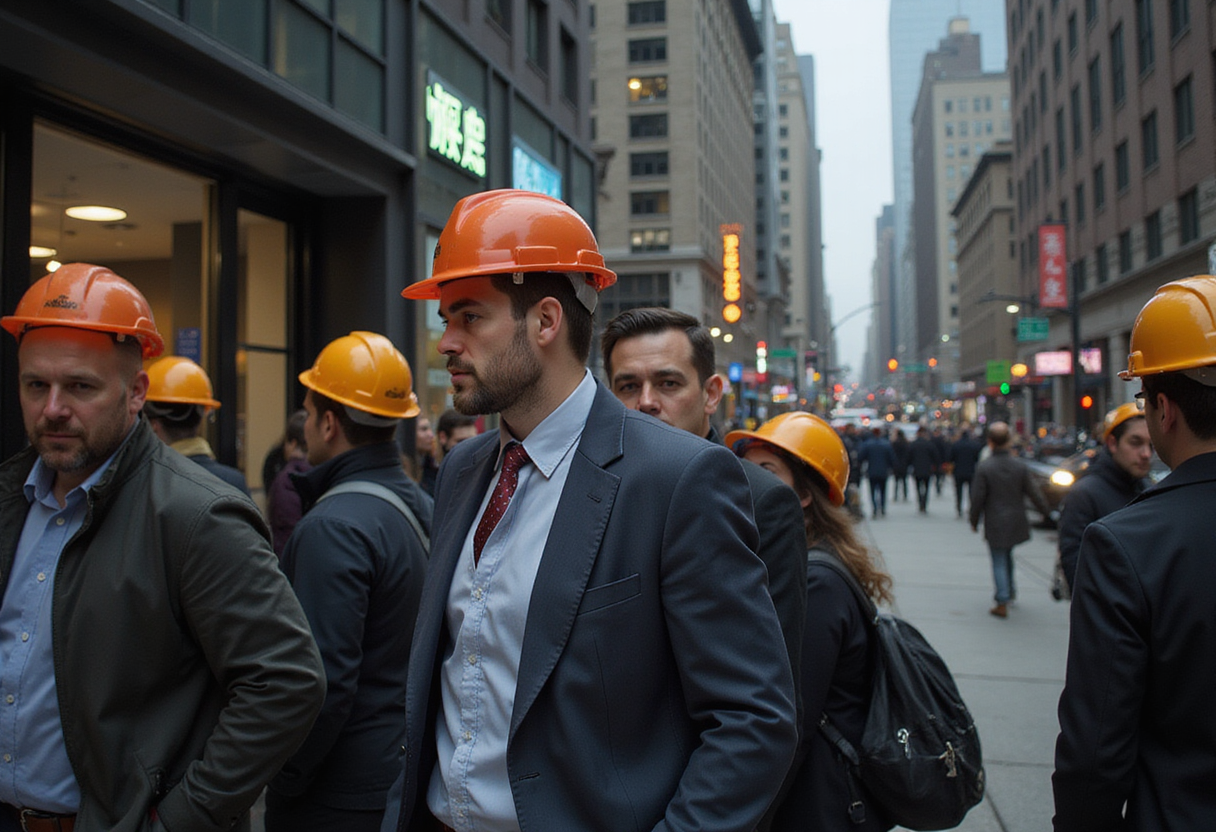
Hundreds of union hotel workers strike across six Chicago properties
Hotel Dive reports hundreds of union hotel workers have walked off the job at six Chicago properties. Operators brace for occupancy and F&B revenue impact as negotiations continue.
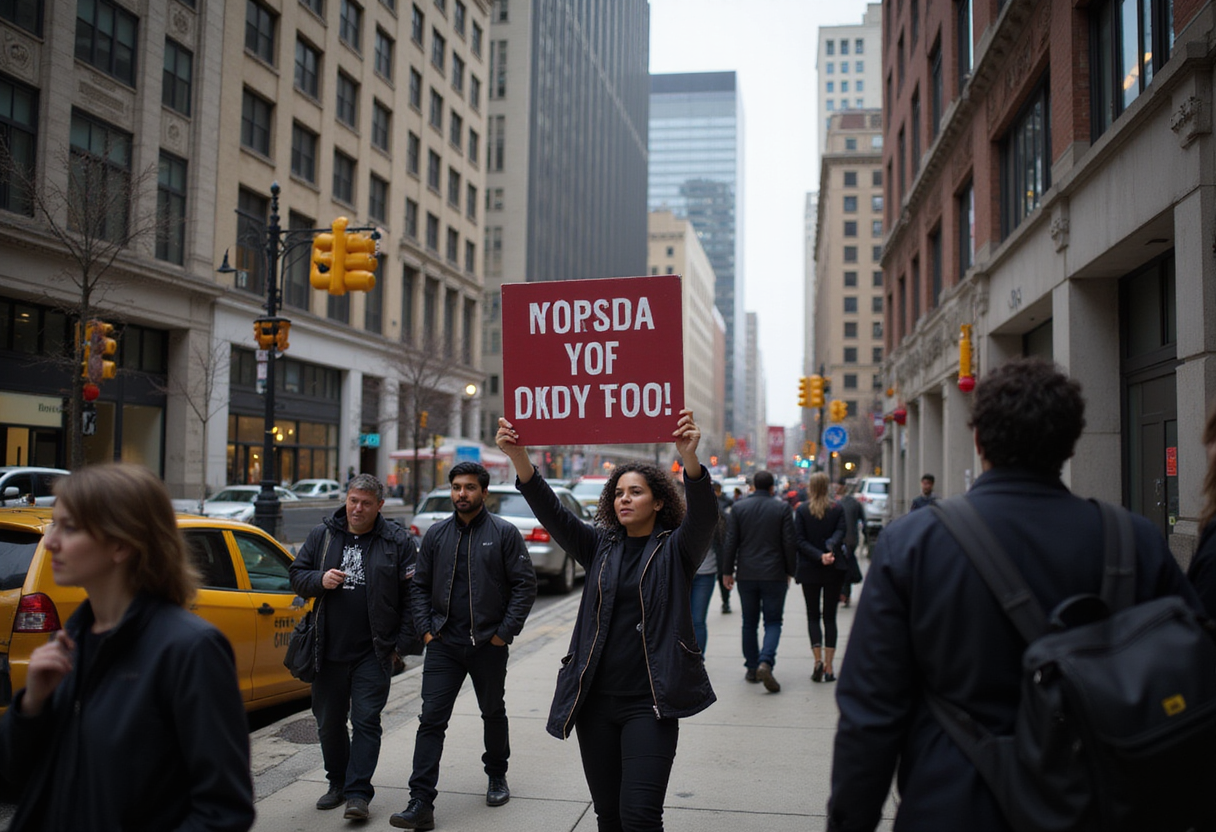
Hundreds of union hotel workers walked off the job at six Chicago properties, according to a Hotel Dive report published this week. The work stoppage marks a significant escalation in labor activity across the city's unionized hotel sector.
What do we know so far?
Hotel Dive's headline frames the action as a strike involving "hundreds" of workers across six hotels in Chicago. The publication did not immediately release additional details in the report referenced. Operators in the Chicago market are watching closely because downtown hotel labor disruptions historically compress occupancy, drive up reliance on third-party management staffing, and trigger immediate cancellation pressure on group and convention business.
How big is Chicago's unionized hotel footprint?
Chicago has historically ranked among the most organized U.S. hotel-labor markets. Downtown properties operating under collective bargaining agreements typically run higher labor costs as a percentage of revenue than their non-union counterparts, in part because union hotels maintain higher staffing ratios per occupied room and contribute to defined-benefit health and pension funds. A work stoppage at any single major property can ripple through room block commitments, particularly during convention weeks at McCormick Place or during peak corporate travel periods.
What does a strike cost an operator?
When union housekeeping, food and beverage, and front-desk staff walk out, properties typically respond by trimming services — closing some floors, scaling back restaurant outlets, and suspending minibar and room-service operations. Check averages fall as F&B revenue per occupied room drops. Labor costs during a strike often rise before they fall, because operators pay replacement security, overtime to remaining salaried managers, and premiums for any temporary staffing agencies willing to cross picket lines. Industry data on past urban hotel strikes has shown that recovery to pre-strike RevPAR can take 30 to 90 days once work resumes, depending on how aggressively operators rebook displaced group business.
What should operators outside Chicago watch for?
A work stoppage in a market this large tends to invite parallel actions in other cities where the same union holds contracts. Operators in markets that share collective bargaining expiration dates with the Chicago properties should expect heightened member activity in the weeks surrounding the strike. Brand-level responses — typically issued by the major flags through regional operations teams — focus first on guest relocation, then on franchisee and management-company communications about service-level expectations during the dispute.
What happens next?
Negotiations between union representatives and hotel ownership groups will determine whether the six properties resume normal operations this week or extend into a longer stoppage. Hotel Dive will likely publish follow-on reporting naming the specific properties and contract issues. For now, operators and group-booking clients with Chicago reservations should confirm status directly with the property before arrival.
More from Olivia Hart
Show full bio
Staff writer covering marketplaces and e-commerce at The Pass Brief.
231 articles