Six Chicago Hotels Go on Strike as Marathon Weekend Opens
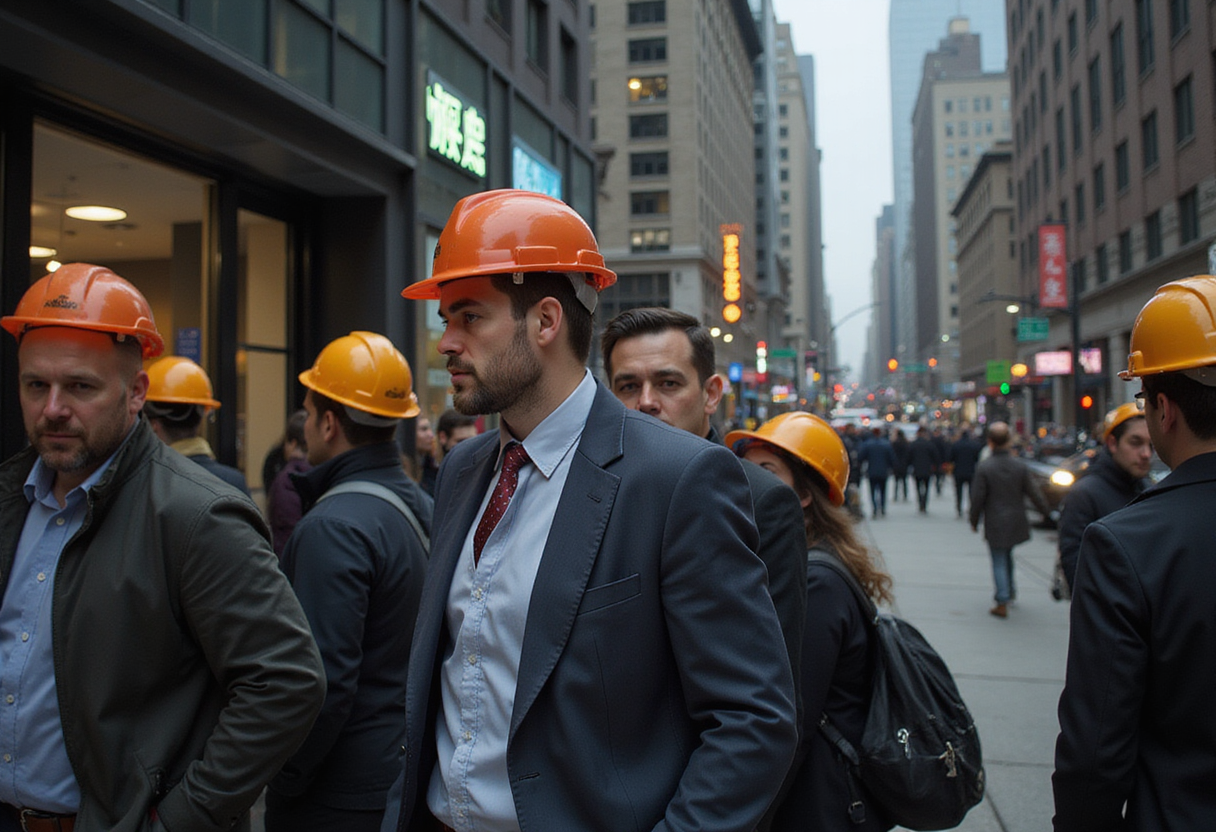
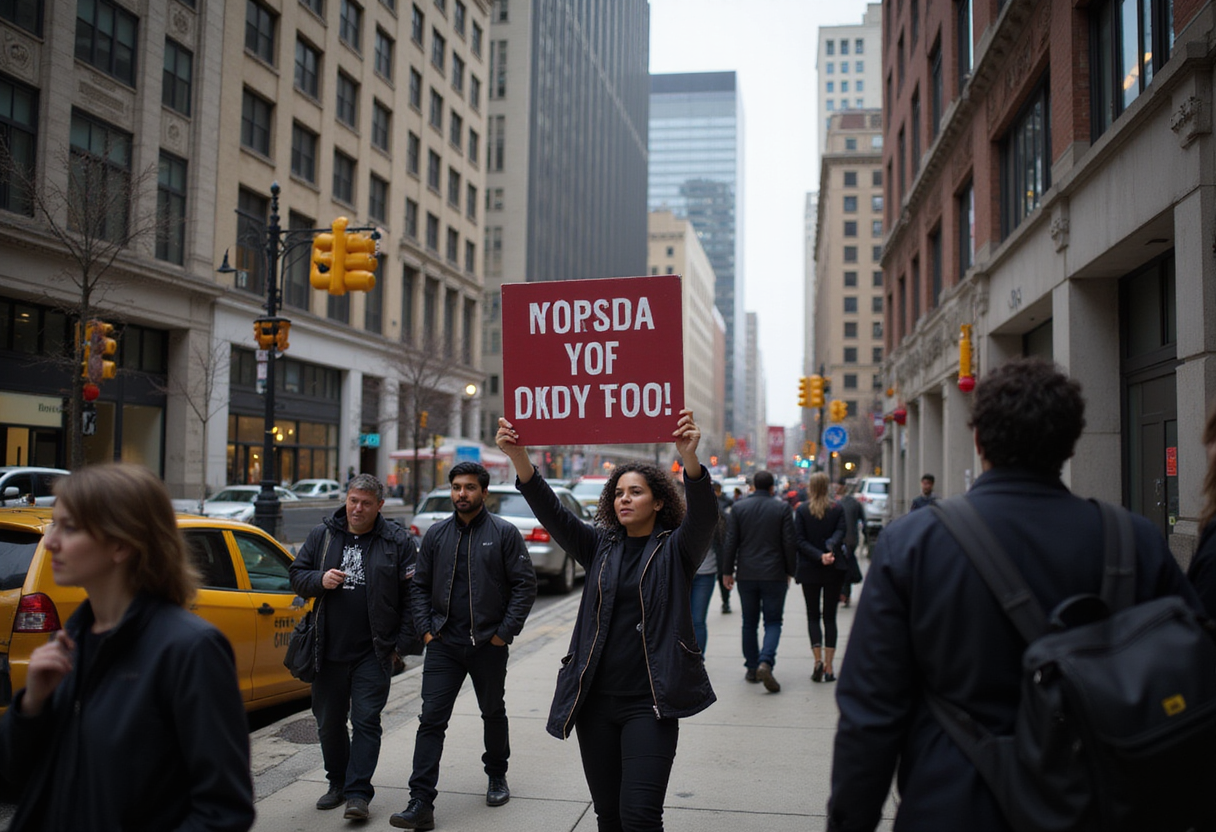
Six Chicago hotels walked off the job as marathon weekend began, putting a labor stoppage on one of the city's highest-demand booking windows.
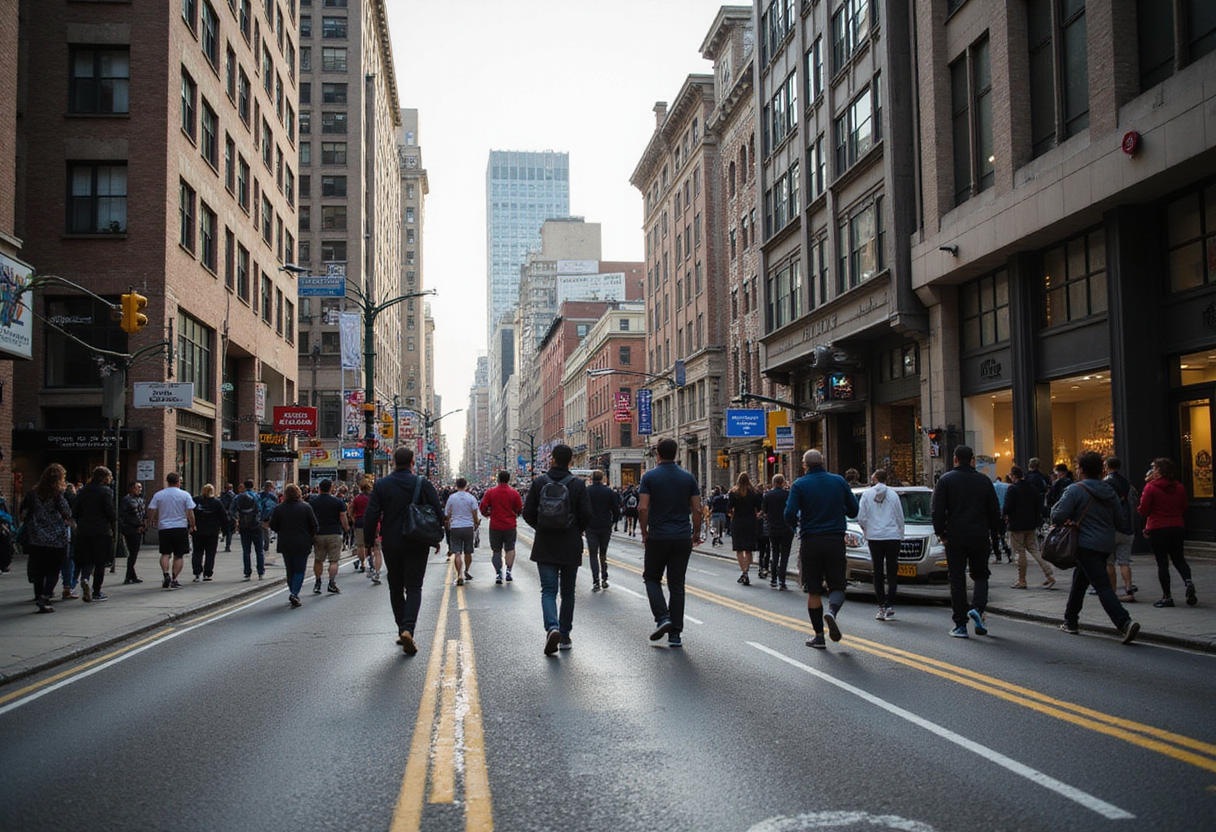
Six Chicago hotels are on strike as the city's marathon weekend begins, the Chicago Tribune reports, putting labor action directly on top of one of the highest-demand booking windows on the Chicago hospitality calendar.
The work stoppage lands when downtown hotels typically run near capacity. Marathon weekend draws tens of thousands of visitors — runners, families and spectators — and rate premiums across the central business district. A strike affecting six properties forces those hotels to manage arrivals, housekeeping turnaround and event commitments with reduced or replaced staffing, while competing properties absorb spillover demand.
What does a strike during marathon weekend mean for operators?
For the affected ownership groups, the timing sharpens the economics. A strike is costly on any weekend; during a sold-out, premium-rate event window it puts revenue, guest-experience scores and group-contract commitments at risk simultaneously. Hotel operators must decide how to staff food and beverage outlets, maintain room turnover and honor banquet and event obligations with workers off the job.
For unionized labor, the calendar is leverage. Walking out ahead of a demand peak pressures ownership at the moment when every unserviced room, closed restaurant and delayed banquet carries its highest cost. Marathon weekend effectively compresses the negotiating timeline for both sides.
Which hotels are affected?
The stoppage covers six Chicago hotels, according to the Tribune. The walkout adds Chicago to the wave of hotel labor actions that have hit major U.S. markets over the past two years, as unions press on wages, staffing levels and workloads coming out of the pandemic-era restructuring of hotel operations.
What comes next?
The immediate question is duration. A strike resolved before the marathon crowd departs limits the damage to a single high-revenue weekend; one that stretches into the fall convention and corporate-travel season raises the stakes for ownership groups, booking partners and the city's tourism apparatus. Both sides face pressure to return to the table before the bookings on Chicago's books for the weeks ahead come into play.
More from Daniel Okafor
Show full bio
Correspondent covering consumer brands and retail at The Pass Brief.
216 articles