SHŌ Builds an Eight-Drink Zero-Proof Pairing for Its Vegan Omakase
SHŌ pairs an eight-drink, zero-proof progression of dealcoholized Oddbird wines, shrubs and kitchen ingredients with its new plant-based omakase, Shōjin.
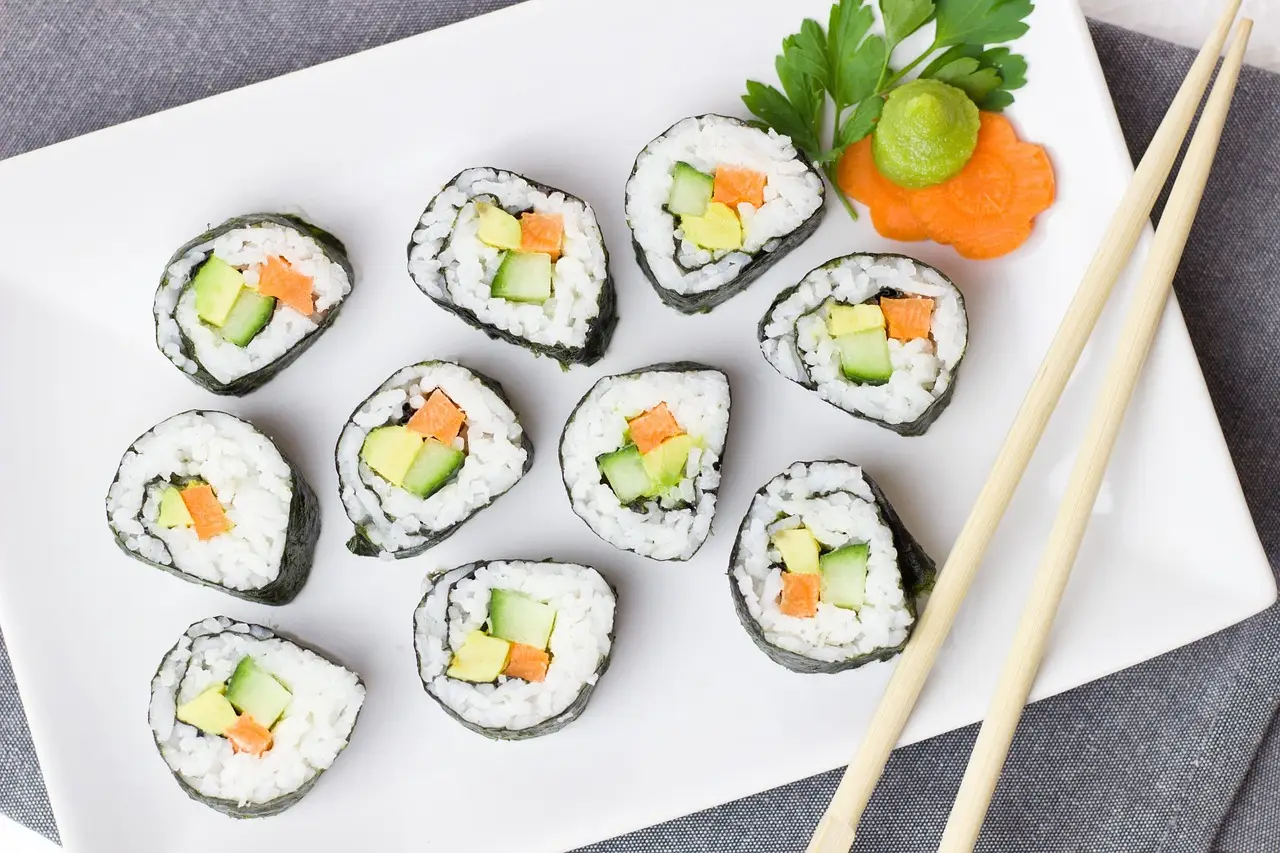
Eight drinks, zero alcohol. That's the scale of the new pairing program SHŌ in Chicago has built for Shōjin, its plant-based omakase — a spirit-free progression designed to move, course by course, alongside Executive Chef Mari Katsumura's vegan tasting menu.
Bar Director Pepe Pereyra developed the lineup, and his brief to himself was unusually demanding. He didn't want a parade of juice-forward mocktails. He wanted drinks that behave like wine — acidity, aromatics, texture unfolding across the palate, a finish that carries into the next bite.
The foundation is real wine. Pereyra works with nonalcoholic bottles from Oddbird, each traditionally vinified before the alcohol is removed through vacuum distillation, a process gentle enough to preserve the wine's character. From there he layers in teas, organic shrubs and ingredients pulled straight from the kitchen: red miso syrup, strawberry vinegar, verjus, fresh citrus.
"Just as working without traditional proteins opened new creative possibilities for Chef Mari, working without alcohol pushed me to think differently about every glass," Pereyra said. "We both let the ingredients guide us, and for me that meant chasing the way wine moves with food, rather than simply replacing it."
What does the pairing actually look like?
Served off ice in wine glasses — built to be swirled and sipped, not shot — the progression opens bright and effervescent and moves into savory, umami-rich territory as the menu deepens. The full sequence:
- Grenache-Syrah-Mourvèdre, Mallorca melon, watermelon, saline — opening canapés
- Seedlip Spice 94, red verjus, pineapple, beet, red miso — beet crudo
- Pinot Blanc-Riesling, Wölffer verjus, orange, watermelon, lapsang souchong — sweet corn velouté
- Pinot Blanc-Riesling, cucumber, yuzu, celery shrub — tofu, artichoke and broccolini hand rolls
- Sparkling rosé, Seedlip Spice 94, umami shrub (yuzu, wild kombu, ginger, sake lees vinegar) — eggplant and mushroom hand rolls
- French white blend, Wölffer verjus, ginger, yuzu, sesame oil — pea soufflé
- Tempranillo, red verjus, red cabbage shrub, yuzu — hot somen
- Seedlip Spice 94, red verjus, umami shrub, strawberry vinegar, red miso — hojicha, almond and chocolate soft serve
Note the sourcing logic: verjus and miso and sake lees vinegar do the work that grape tannin and fermentation byproducts usually do in a conventional pairing. That's menu engineering at the bar — acidity and umami mapped to courses rather than sweetness standing in for wine.
Who built it?
Pereyra's path to the bar ran through the kitchen. He cooked in Chinese and Japanese restaurants across Colorado and Texas before moving behind the bar, with stops at Chicago destinations including River Roast, Cherry Circle Room, After Lounge and the eight-seat Milk Room. At SHŌ, he borrows ingredients, techniques and flavor combinations directly from Katsumura's kitchen and remixes them in the glass. His Mexican upbringing, where cooking and pouring were expressions of care at the table, shapes a style that balances precision with generosity.
The zero-proof program sits inside a broader beverage operation run by General Manager and Sommelier Preston Smith, a Certified Sommelier through the Court of Master Sommeliers Americas who held combined wine and management roles at Cherry Circle Room and Beity before joining SHŌ. Smith spent a decade as a professional performer first — he holds a Master of Arts in Musical Theatre from the Royal Conservatoire of Scotland and toured three continents — and that background still shows in how he thinks about pacing and reading the room.
Smith builds distinct wine, sake and platinum pairings around SHŌ's evolving menus, each constructed course by course. Sake selections span prefectures, brewing methods and yeast strains; wine pairings move across regions, colors and styles. The platinum pairing, a guest favorite, combines standout wine, sake and spirits in one curated progression.
"Pairings should never feel like checking a box or following a formula," Smith said. "We want each pour to create a genuine connection with the course while introducing guests to producers, regions and styles they may not have encountered before. Sometimes the right answer is wine, sometimes it is sake or a spirit — the menu should always lead the decision."
His buying prioritizes small producers, sustainable farming and female brewers and winemakers — sourcing choices that increasingly matter to fine-dining guests deciding where to spend a tasting-menu check.
For operators watching the sober-curious segment from the sidelines, SHŌ's approach offers a template: skip the mocktail list, start with dealcoholized wine as a structural base, and engineer each pour against a specific course. As zero-proof demand keeps growing, expect more tasting-menu restaurants to treat the nonalcoholic progression not as an accommodation but as a revenue-bearing course of its own.
More from Daniel Okafor
Show full bio
Correspondent covering companies, deals and strategy in Restaurant and hotel operations at The Pass Brief.
506 articles