Sweetgreen Reports 25% Lift in Drink Attach Rate With House-Made Beverages
Sweetgreen's house-made beverage push has lifted drink attach rates 25%, and Tuesday's rollout adds two flavors and a 24-ounce cup across 120 locations.

Sweetgreen says beverage attach has risen 25% since it began making drinks in-house — the strongest number behind the fast-casual chain's latest menu move, announced Tuesday.
The 285-unit chain rolled out two new flavors, Tropical Black Tea and Fresh Blackberry Basil, across 120 locations. At the same time, it reformulated two existing drinks: Signature Lemonade and Ginger Greens, the blend of sweet apple, spinach and ginger.
A 24-ounce cup size joins the existing 16-ounce offering, giving operators a second price point on a high-margin category.
Why beverages carry the margin story
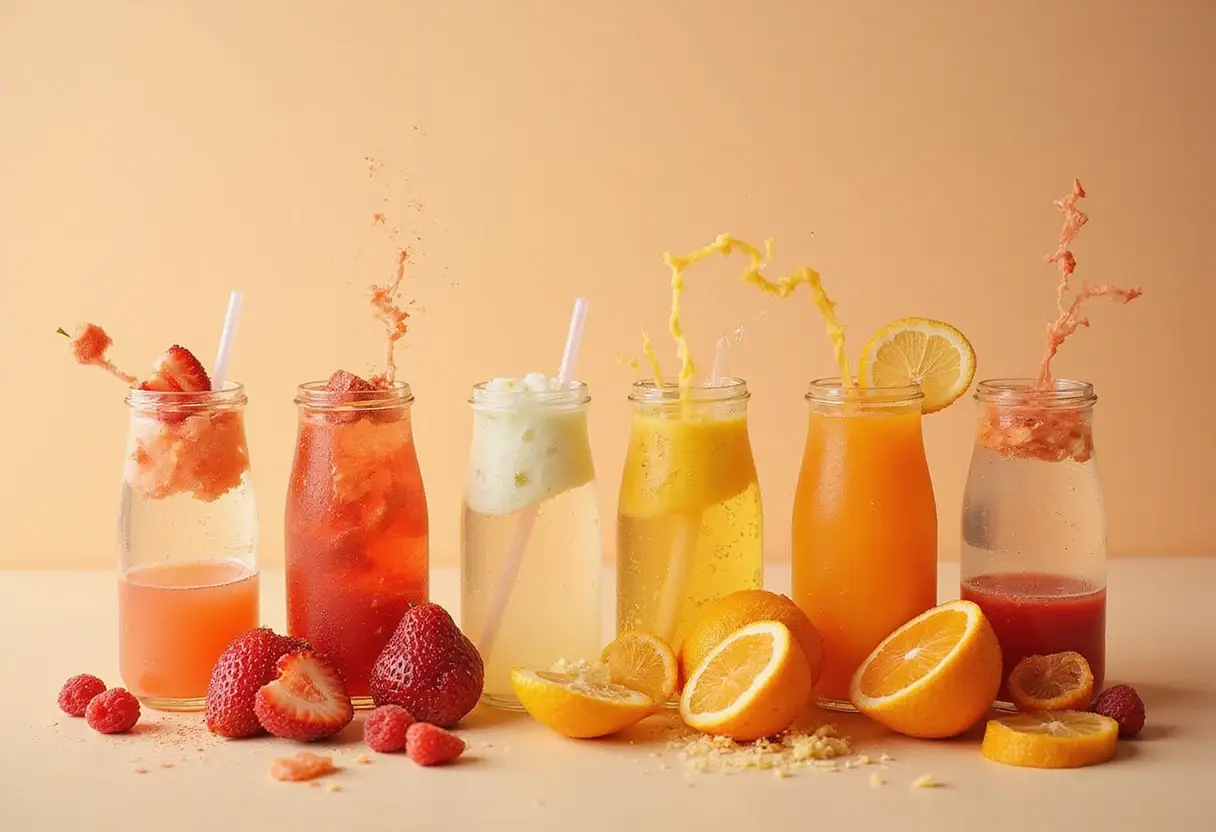
Beverages have become an increasingly important part of menus across the industry, and Sweetgreen's positioning is specific: the four drinks contain no artificial ingredients and no sugar in the base recipes. Each is made fresh in-house with real fruit, vegetables and herbs, with agave as the sweetener.
The Tropical Black Tea carries no added sweetener at all. Its flavor comes from fruit and toasted coconut notes — a formulation choice that removes sweetener cost from the recipe while leaning into consumer demand for functional, lower-sugar sips.
That formulation matters for operators watching cost of goods. Drinks built on produce and tea, sweetened with agave rather than syrups, sit closer to Sweetgreen's existing sourcing pipeline than a branded fountain program would. The chain did not disclose beverage margins or pricing for the new items.
What does this change for Sweetgreen operators?
The 25% attach-rate increase answers the practical question directly: more transactions now include a drink, which lifts average check without requiring new kitchen equipment or additional menu categories. House-made beverages replace a conventional packaged-beverage lineup, and the in-house model puts prep labor into existing stations rather than third-party vending.
The recipe reformulations point to menu engineering rather than novelty. Co-founder and Chief Concept Officer Nicolas Jammet framed the adjustment in flavor terms.
"We made them slightly less sweet so the blackberry, basil and ginger come through first, and every drink is crafted to complement the meal," Jammet said. "A drink is often that last thing someone adds to their order, and we want it to be one of the parts they look forward to the most."
He also addressed the broader intent: "At Sweetgreen, we're always exploring new ways to bring bold, delicious flavors to the menu."
A category-wide pull
The move lands as the broader chain-restaurant sector faces pressure. Technomic's Top 500 data shows chain sales slowed again in 2025 as consumers cut back on dining — but coffee, beverages, snacks and chicken thrived. Sweetgreen's investment tracks that split: drinks are one of the few categories still generating growth while overall traffic softens.
The 120-location scope of the rollout suggests a staged introduction rather than a systemwide launch, though the chain did not specify which markets received the new items or whether company-operated and licensed units rolled out simultaneously.
The larger cup size, meanwhile, gives the chain room to capture more beverage spend per transaction — a standard lever in beverage-led growth, where upsizing typically carries minimal incremental product cost against a higher ticket.
For now, the data point Sweetgreen chose to headline is the attach-rate lift. If the reformulated lemonade and Ginger Greens sustain that 25% gain across the full 285-unit system, beverages will move from side category to a measurable contributor to average check.
More from Elena Vasquez
Show full bio
News editor covering people, launches and day-to-day practice in Restaurant and hotel operations at The Pass Brief.
555 articles