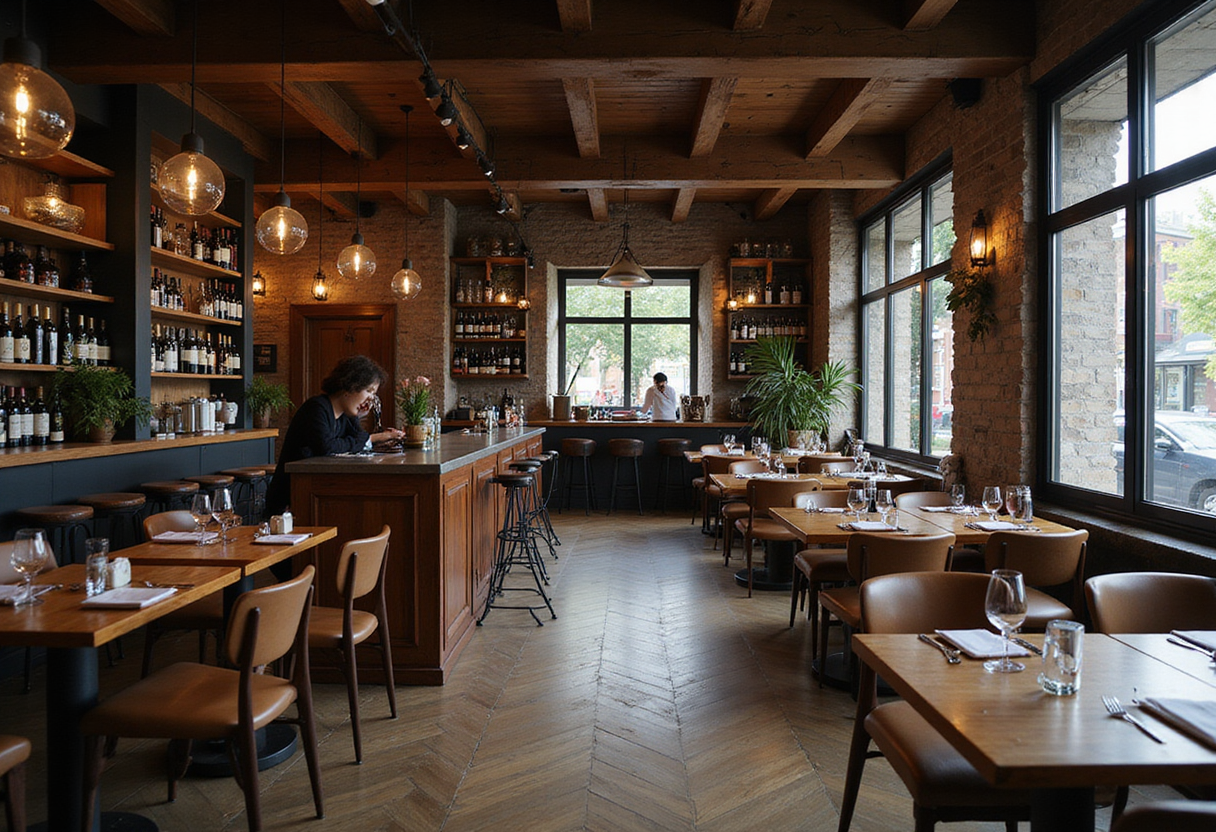
Cincinnati's Former Kiki Space Lands Wine Bar-Restaurant From Two Veterans
Two hospitality veterans will convert Cincinnati's former Kiki restaurant into a wine bar and restaurant, the Cincinnati Enquirer reported. Operator names, opening date, and concept economics remain undisclosed.
Two hospitality veterans will convert Cincinnati's former Kiki restaurant into a wine bar and restaurant, the Cincinnati Enquirer reported. The storefront sits dark on a block that, until recently, kept dinner hours under the Kiki name. That's the entire confirmed picture: a hybrid concept, a former-Kiki footprint, and two unnamed operators whose track records the trade will want to see.
The unit economics of this format are worth tracing because wine bar/restaurant hybrids behave differently from a standard full-service concept. Wine programs typically run 70 to 75 percent gross margin on bottle and glass sales — wine by the glass is one of the highest-margin pours in any restaurant — while food sits closer to 60 to 65 percent before labor. A hybrid concept hedges that gap. The operators get a beverage-led cushion when kitchen labor spikes, and they get a kitchen-led cover count when beverage traffic slows.
That hedge isn't free. Wine bars live on dwell time. Customers linger over flights, conversations stretch past the second pour, and table turns drop well below what a casual concept expects. The labor mix shifts accordingly — more servers, more sommeliers or certified staff, more bodies on the floor per cover — which is why these concepts usually run higher total labor cost as a percentage of sales than a comparable full-service restaurant, even when the margin looks clean on paper.
What does this change for the corridor?
A wine bar brings a different daypart. These concepts typically open at 4 p.m. with a small-plates menu and run through an 11 p.m. last call, splitting the margin between late-afternoon regulars and prime-time diners. That's evening foot traffic the block had been missing during the Kiki vacancy. It's also fewer covers per night than a pasta-and-wine concept would deliver. For a corridor with multiple independent restaurants, that slower turnover can shift the calculus for neighbors competing for the same evening reservations.
What about the build-out?
The biggest variable is what the new operators inherit from Kiki's footprint. A wine-led concept needs a serious bar build-out — bottle storage, glassware, a climate-controlled wine room if they go that direction — and a smaller hot line than a full-service restaurant typically runs. If the Kiki space already has a working bar and kitchen hood, the conversion cost drops considerably. Industry-standard build-outs for a hybrid concept run six to nine months from signed lease to first service, depending on permitting and liquor license timing. Watch for a Cincinnati building permit filing as the second data point after the operator announcement.
What the trade will watch next
The Enquirer named no principals. No opening quarter. No check average, no square footage, no beverage director. Three filings will tell the trade whether the project is real: a formal operator announcement with named partners, the Ohio Division of Liquor Control permit application, and a posted opening date.
The next real chapter for the Kiki space lands when the operators put their names on it — and the trade will be reading the Ohio liquor filings to find out when.
More from Daniel Okafor
Show full bio
Correspondent covering companies, deals and strategy in Restaurant and hotel operations at The Pass Brief.
247 articles