Saudi Arabia's Hotel Pipeline Hits Record 401 Projects Despite Houthi Attacks
Saudi Arabia's hotel pipeline hit a record 401 projects and 109,320 rooms despite Houthi attacks. Operators report no cancellations — but 86% of Riyadh departures were canceled in October.

A month after a Houthi missile killed 13 people at Riyadh's King Khalid International Airport, Saudi Arabia's hotel pipeline stands at a record 401 projects — up 15% year over year, according to Lodging Econometrics. Those projects will add 109,320 rooms, a 16% increase, representing 52% of the Middle East's project count and 58% of its rooms. Riyadh leads with 114 projects.
Developers and operators told Skift they know of no projects canceled because of the attacks. IHG CEO Elie Maalouf said: some would probably be delayed. What the attacks have damaged is harder to rebuild — the kingdom's image as a safe place to visit.
Where the disruption is landing
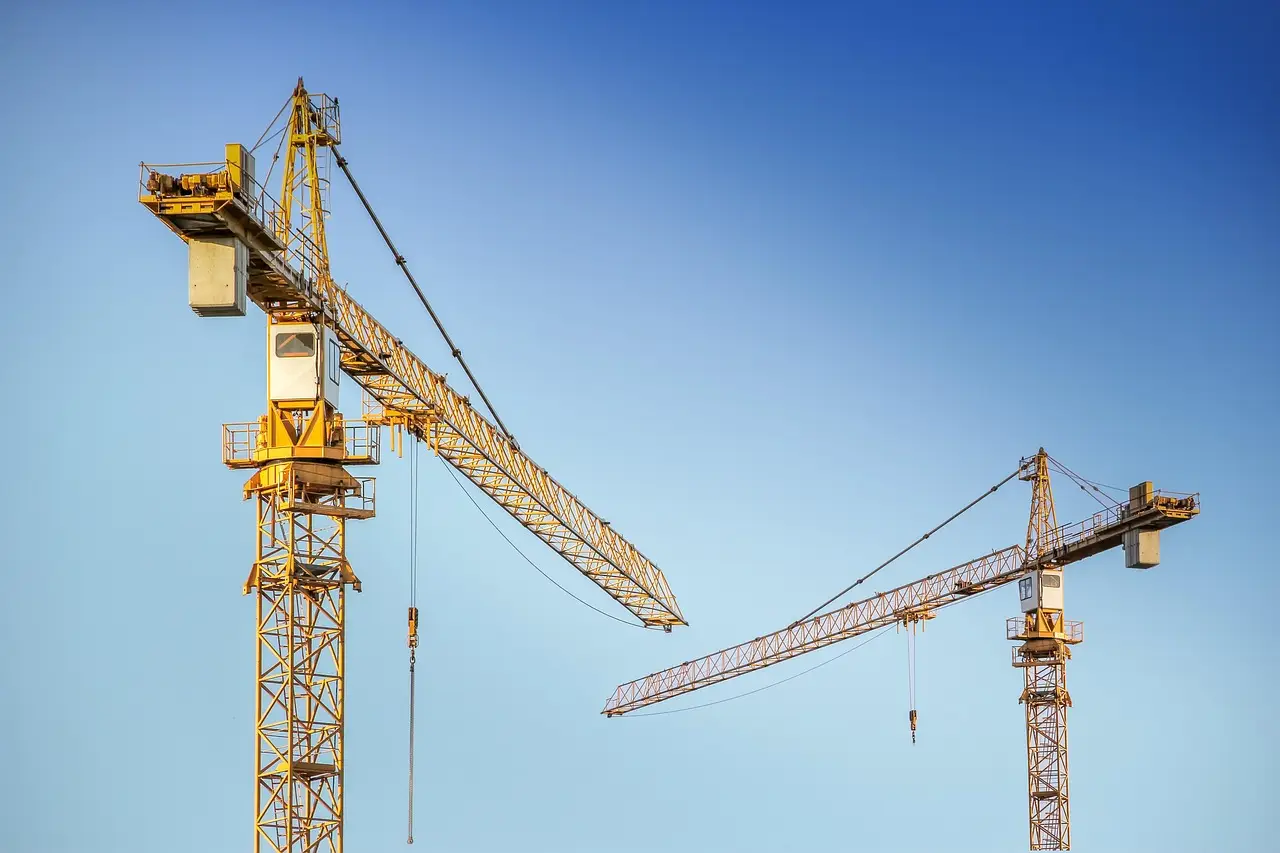
The damage is showing up in demand and events, not in construction cranes. Cirium data shows 86% of scheduled Riyadh departures were canceled between October 8 and late October. The Saudi Grand Prix, the Future Investment Initiative and the Red Sea International Film Festival were scrapped, postponed or moved. The U.S. Embassy now requires government employees to obtain special authorization to use any Saudi airport.
The attacks have also closed airports and pushed up the cost of insuring against conflict. Rising premiums are an operator-level cost that no amount of domestic demand offsets.
Why investors are still signing deals
This year's openings are concentrated on the Red Sea coast. Four Seasons, Rosewood, Six Senses, Equinox, Nammos and Raffles are all delivering properties there — the exact resorts most dependent on the international guests the attacks are deterring. That is the sector's central contradiction: capital keeps flowing to the asset class least shielded from the current risk.
Investors are leaning on two buffers:
- Domestic travel: 93.3 million tourists in 2025, or 76.1% of the total.
- Religious travel: Hajj and Umrah traffic accounts for nearly half of international visitors.
A research manager at Cavendish Maxwell said that base is a buffer and not a complete shield. The arithmetic backs the caution. Growth had already stalled before October, with 61.2 million tourists in the first half of 2026, up about 1% year over year. The Vision 2030 target is 150 million a year.
What happens if the fighting stops
The bet is straightforward: domestic and religious travel carries the market until the conflict ends, and the international segment returns to a built-out room stock. How long that takes is an open question, and every month of canceled departures and scrapped events narrows the runway to the 150-million target.
Saudi hotel development is, for now, an exercise in patience with a construction schedule. The pipeline is real, the rooms are rising, and the guests that Vision 2030 needs are the ones currently staying away.
More from Rebecca Stone
Show full bio
Senior reporter covering technology and product news in Restaurant and hotel operations at The Pass Brief.
654 articles