Saudi tourism facilities expand 18% as hospitality supply grows
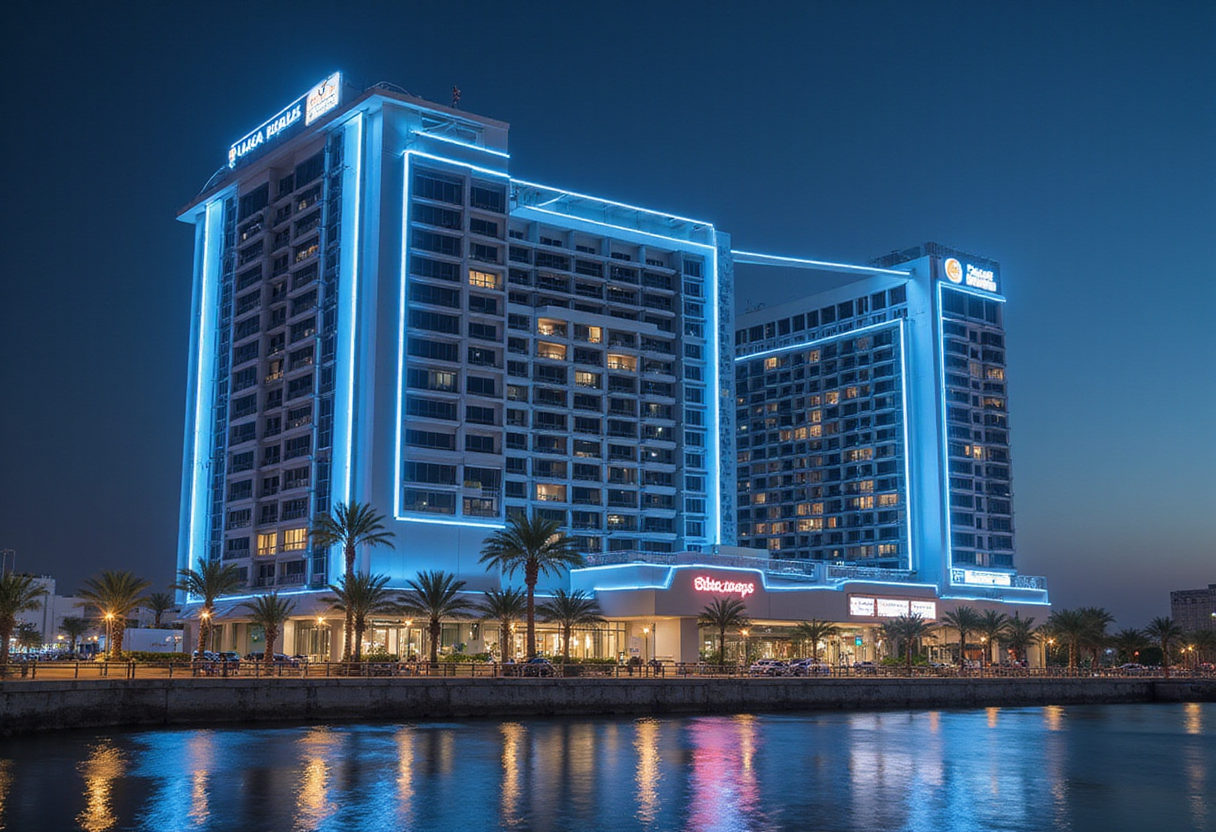
Saudi tourism facilities grew 18%, the latest signal of an accelerating hospitality supply pipeline. Operators face labor, F&B and check-average pressure as new capacity enters the market.
Saudi tourism facilities expanded 18%, the latest publicly cited measure of an accelerating hospitality supply pipeline across the kingdom.
The expansion, reported by Arab News, lands at a moment when hotel and F&B operators across the Middle East track Saudi capacity additions as a leading indicator of regional demand.
The 18% figure carries weight beyond real estate: it resets the operating math for chains evaluating entry, for existing properties defending check average, and for procurement teams pricing protein and labor over the next 24 months.
What does the 18% expansion mean for operators?
The number reads two ways. On the demand side, the kingdom continues to absorb hotel rooms, F&B outlets and integrated resort capacity at a pace few regional markets match. On the supply side, an 18% jump in facilities compresses occupancy and ADR where international arrivals have not yet caught the new room count.
Operators tracking the curve should weigh four pressure points:
- Labor sourcing: Saudi operators continue to depend on imported management and service talent to staff new builds, and labor runs a higher share of operating expense than in mature Gulf markets
- F&B integration: New tourism facilities typically program multiple food and beverage outlets at opening, treating F&B as a margin lever rather than a lobby amenity
- Capital structure: International chains increasingly enter through management agreements and franchise models, shifting capex off brand-operator balance sheets
- Secondary-market performance: Tier-two cities absorb inventory at lower ADR than the kingdom's primary hubs, with occupancy gaps likely to persist
How does the supply curve reshape the competitive set?
The 18% expansion redraws the competitive map for any operator with Saudi exposure. International chains that entered during the early growth phase now face domestic and regional challengers scaling at similar velocity. The strategic question for boards shifts from market entry to check-average defense as new supply enters the funnel.
Check-average defense will separate winners from losers. Properties that entered during the early growth phase built covers and ADR against a thinner competitive set. An 18% lift in facility count resets the index, and operators who do not actively re-engineer menus, reimagine beverage programs and renegotiate supplier contracts will watch margin erode.
F&B economics shift in parallel. The cumulative effect of an 18% expansion lifts the kingdom's demand for imported proteins, specialty produce and trained kitchen labor. Procurement teams should expect continued upward pressure on landed cost through 2026, with menu-engineering decisions increasingly driving property-level margin rather than cover counts alone.
Which segments will absorb the new supply first?
The headline figure does not break out the mix between hotel rooms, serviced apartments and standalone F&B facilities. Operators sizing market entry need that disaggregation before committing capital. The 18% growth also does not specify whether the comparison is year-over-year or measured against a longer baseline, a gap that limits its direct use in underwriting models.
What the data does confirm: facility growth is moving faster than the international-visitor recovery curve in some secondary markets, and operators entering now should plan for at least 18 to 24 months of competitive supply pressure before demand catches up.
Forward-looking read: the 18% expansion positions Saudi hospitality for a 2025-2026 inventory cycle in which operators will compete harder on check average, labor efficiency and F&B mix than on raw room availability.
More from Marcus Bennett
Show full bio
Market editor covering media and advertising at The Pass Brief.
243 articles