Raleigh-Durham Airport Runs Nine Brands Out of One Kitchen
Raleigh-Durham's getREEF Virtual Food Hall serves nine brands from one kitchen into QR-code lockers near Gate C9 — a model New York's 1912 Automat would recognize. REEF and HUBB Kitchens run it.
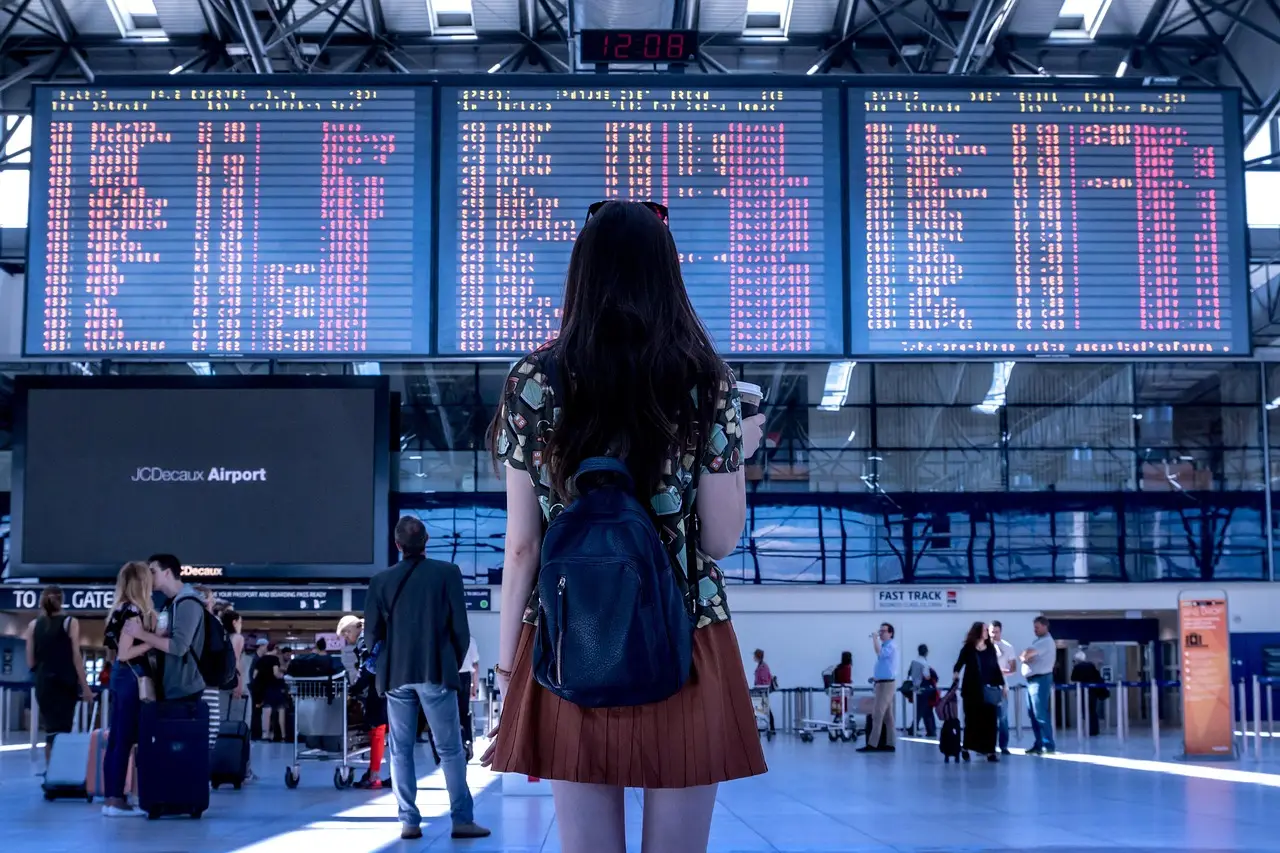
Nine restaurant concepts, one shared kitchen, zero tables. That's the operating model behind the getREEF Virtual Food Hall at Raleigh-Durham International Airport, which opened July 21, 2022, and which its backers call the first airport in the world to serve meals from multiple restaurants out of a single virtual kitchen.
The claim comes with an asterisk. The underlying idea — many dishes, one pickup point, no waiter — is more than a century old. New Yorkers were pulling food out of coin-operated glass windows as early as 1912, when Horn & Hardart opened its first Automat there after launching the format in Philadelphia in 1902.
How the Raleigh-Durham model works
The economics of the arrangement are the story. One kitchen cooks for every brand, which means the airport's concession footprint near Gate C9 generates nine menus' worth of orders without nine separate buildouts, counters or staffed registers.
Customers order and pay at kiosks or on their phones — on the way to the airport, in the security line, or at the gate. Because a single kitchen fulfills every order, specially marked, temperature-controlled lockers hold each brand's food until pickup. A QR code opens the locker door. There are no tables or chairs; travelers use the gate seating nearby.
Michael Landguth, president and CEO of the Raleigh-Durham Airport Authority, framed the concept around a familiar travel problem. He said at the opening that the hall may settle the family argument where everyone wants to eat somewhere different, because a group can mix and match orders in one transaction.
Alan Philips, REEF's chief creative officer, said at the opening that Raleigh-Durham was the first airport in the world to offer meals from different restaurants out of one virtual kitchen.
Who operates it, and what's on the menu
REEF runs the hall with HUBB Kitchens, a Raleigh company led by Jason Johnson that serves as its airport concession partner. The current lineup mixes national chains with local operators: Pei Wei, 800 Degrees Pizza, Jet Fuel Smoothies and Curry in a Hurry, among others.
Terminology in the trade shifts depending on who's talking. A ghost kitchen brings several restaurant operators under one roof to prepare food for pickup or delivery only. A virtual food hall goes a step further: the brands' menus sit in one kiosk or app, and one payment covers every order. Coverage of the airport's contract announcement used both names for the same hall, and the airport's opening release did too.
What does this change for travelers?
Speed and group logistics, mostly. The test of any version, as operators keep rediscovering, is how quickly a group gets everyone fed.
Outside airports, the format is spreading. Sous Vide Kitchen opened in New York's Flatiron District in June 2018, billing itself as the city's first virtual food hall: five fast-casual concepts sharing a kitchen, all cooking sous vide, all orderable at one kiosk. Wonder, which sells meals from several restaurant brands in a single order, said in July that its footprint had tripled from 46 to 140 locations since May 2025 — a run rate of roughly 94 new sites in about two months.
United Airlines is testing a different twist at Newark Liberty International. Since Sept. 2, passengers on select flights departing from or connecting through up to nine designated gates in the C125 to C138 stretch of Terminal C can order food, drinks and travel essentials in the United app and collect them from a shelf at the gate — to eat there or carry onto the plane. United works with airport hospitality company OTG, which prepares and delivers meals from participating Newark restaurants. The menu runs to sandwiches, salads, kids' meals and chips, plus travel pillows, charging cords and select over-the-counter medicine. OTG has offered order-ahead pickup and gate delivery at Newark through QR codes for several years.
The 1912 precedent
The Automat's numbers explain why the format keeps coming back. Horn & Hardart brewed coffee fresh every 20 minutes and charged a nickel a cup until 1950. By 1940, the company was feeding 700,000 people a day across its Philadelphia and New York locations — roughly the population of a mid-sized American city, served daily through glass windows and coin slots.
The decline began in the 1950s, and the last New York Automat closed in 1991. Part of the original Philadelphia location survives at the Smithsonian.
The lockers near Gate C9 do the same job with a marked door in place of a glass window. What changes is the technology — QR codes, phone ordering, temperature control — not the need it serves. With Wonder tripling its footprint in months and United pushing delivery to the gate at Newark, the shared-kitchen, single-pickup model looks less like a pandemic-era experiment and more like a durable answer to feeding people on the move.
More from Daniel Okafor
Show full bio
Correspondent covering companies, deals and strategy in Restaurant and hotel operations at The Pass Brief.
761 articles