Pizza Hut's $1 Billion Securitization: Cheap Debt, Costly Strings
Three restaurant companies with securitized debt have filed for bankruptcy. Pizza Hut just launched a $1 billion securitization anyway to fund its $1.5 billion sale to LongRange Capital.
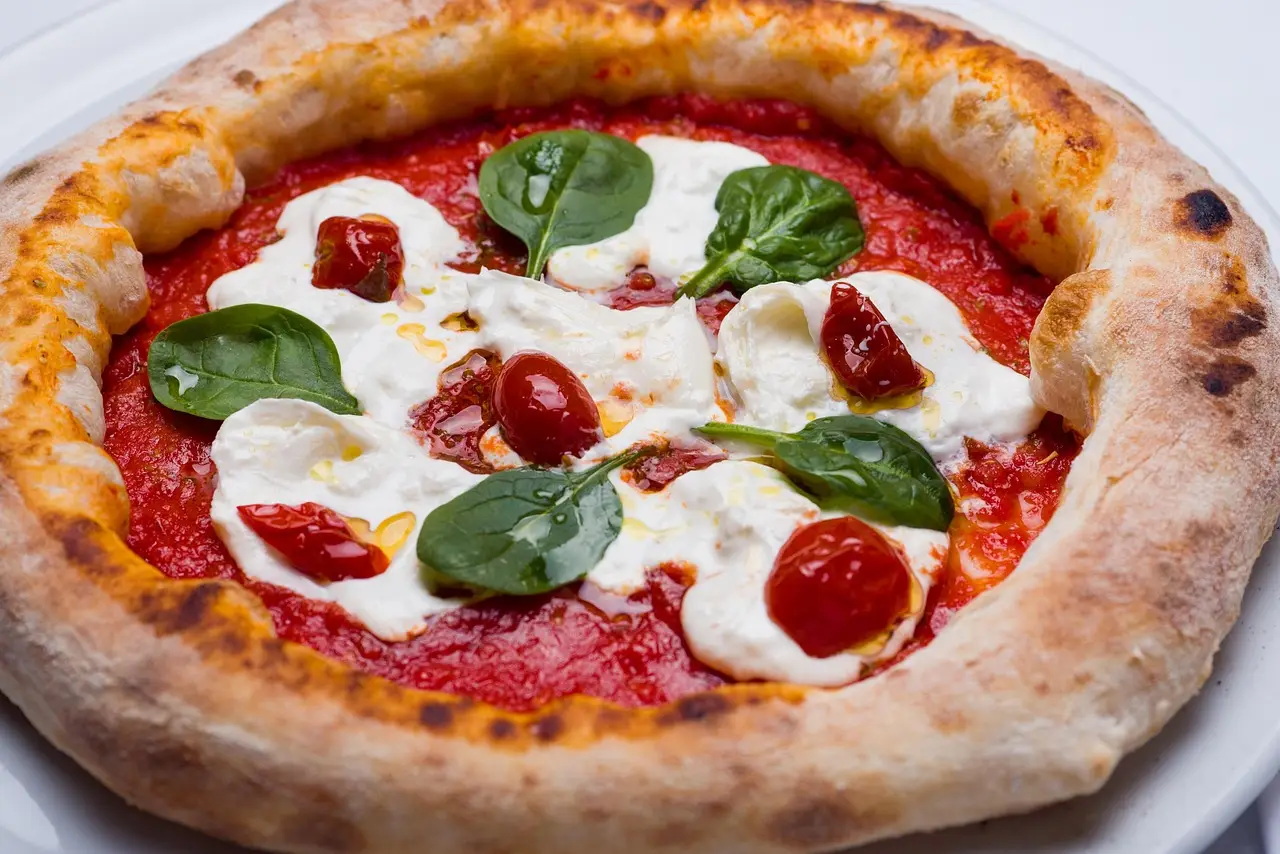
Pizza Hut launched a $1 billion whole-business securitization this week to finance the $1.5 billion acquisition of the brand, excluding China, by private-equity firm LongRange Capital. The market barely flinched. It should have flinched at least a little.
Three restaurant companies with securitized financing structures have filed for bankruptcy in recent years: TGI Fridays, Hooters, and the company formerly known as Fat Brands. That track record has not deterred anyone. The bond machinery keeps running.
How does securitization financing work?
Securitization uses bonds backed by a company's revenue-generating assets, structured to protect bondholders if something bad happens, such as a bankruptcy. That protection lets companies borrow for less than they could on the open market. The benefit is real, and at current interest rates, it is not trivial.
The advantages accrue to the franchisor. Lower debt service means more money for services to operators and profits for investors — or, more likely, for stock buybacks and dividends. These structures work marvelously when brands perform. Until recently, they rarely ended in bankruptcy.
The current environment is different. Traffic is weak. Sales are weak. The population isn't growing. GLP-1 drugs (weight-loss medications that suppress appetite) are sapping sales and changing consumer demand. Third-party delivery has rewritten the demand and profit equation.
A franchisor with declining sales, closing units, and securitized debt is a tough combination. The structure itself becomes part of the problem.
What does the structure restrict?
Securitization puts restrictions on how franchisors use royalty funds. That limits their ability to help franchisees when trouble arrives. Royalty relief — temporarily waiving the fees franchisees pay the franchisor — is one of the chief rescue tools, and securitization rules restrict it.
As stores close, franchisors may also dig in their heels to prevent closures, which can accelerate franchisee financial problems. The lender-friendly structure ends up franchisor-hostile at exactly the wrong moment.
Why do vendor rebates make it worse?
Many brands, including Pizza Hut, back their bonds with supply-chain revenue such as vendor rebates (payments suppliers make to chains to win contracts). This creates a particularly onerous incentive. The franchisor must keep generating revenue that fundamentally drives up ingredient costs for franchisees.
When a vendor provides a rebate to win a contract, the vendor recoups the cost by charging franchisees more. Rebates are controversial enough on their own. Franchisors that use rebate revenue to back bonds now have an incentive to maintain those rebates rather than use the supply chain to lower franchisee costs. The supply chain becomes a debt-service instrument.
This perverse incentive has precedent. It was a huge factor in the collapse of Quiznos, where franchisees struggled to make money while the franchisor monetized the supply chain. Unit declines accelerated accordingly.
Which chains carry this debt?
Roark Capital acquired Subway using some of the largest securitizations ever seen, even though the sandwich chain has closed more than a third of its U.S. restaurants over the past decade, plus many international locations. Subway is now forcing franchisees to accept all delivery providers in their communities, regardless of market conditions and the lower profitability of delivery sales. The company is also forcing expanded operating hours and trying to stop franchisees from closing stores.
Pizza Hut has struggled domestically for years, and LongRange's purchase excludes the big, high-growth China market. The pizza sector is in rapid decline as consumer habits change and third-party delivery saps demand from convenience-seeking consumers. Pizza Hut carries the weakest unit volumes and profitability of any major player in the sector. Its new owner chose a structure that keeps financing costs low but limits the flexibility needed to fix the business.
Wendy's, another securitization user, is in decline itself. In September, Standard & Poor's placed the company on credit watch negative, citing weakened performance.
None of this makes seuritized lending indefensible. It is simply overdone, like much of the financial world. Expect more TGI Fridays-shaped outcomes before the market relearns that lesson.
More from Rebecca Stone
Show full bio
Senior reporter covering technology and product news in Restaurant and hotel operations at The Pass Brief.
654 articles