Pizza Express opens Thorpe Park food-to-go concession
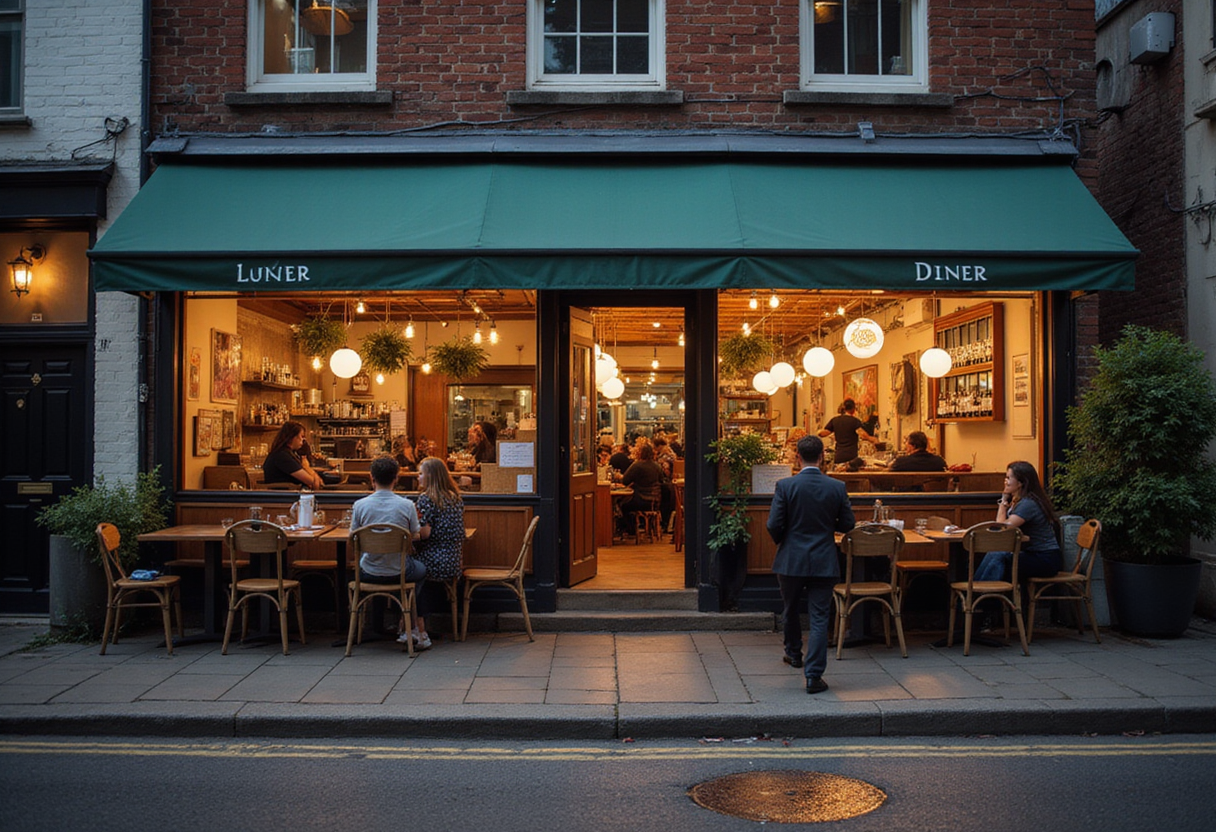
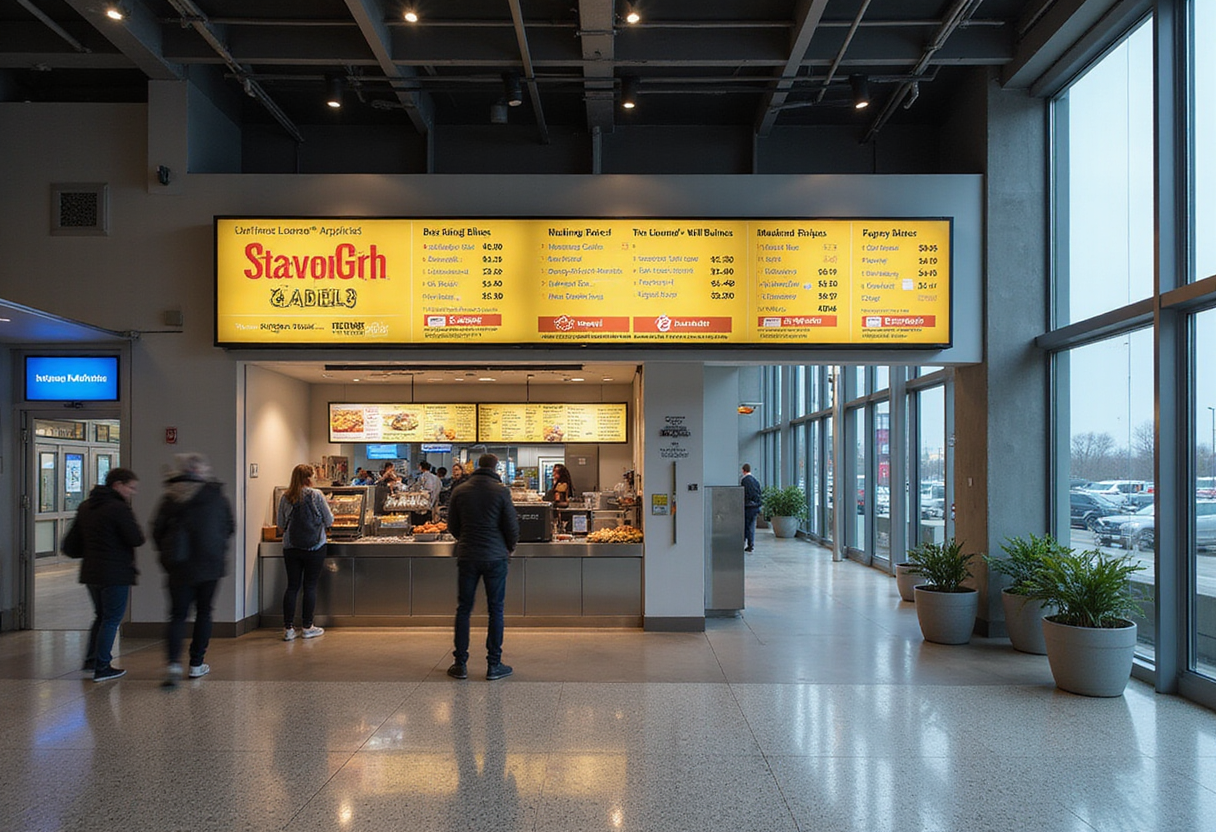
Pizza Express has launched a food-to-go offer at Thorpe Park, marking the debut of its grab-and-go format at the UK theme park. The move extends the casual-dining brand into a non-traditional venue whose unit economics differ sharply from its dine-in restaurants.
The Caterer has reported that Pizza Express has launched a food-to-go offer at Thorpe Park, marking the brand's debut in that format at the UK theme park resort.
The move places one of the country's largest casual-dining chains into the takeaway and grab-and-go segment inside a leisure venue, where dwell times are short and per-transaction check sizes typically run smaller than full-service restaurant averages. For Pizza Express, the format represents an extension of a channel the group has been building across transport hubs, retail parks and other non-traditional locations.
What does a food-to-go concession change for the operator?
Food-to-go economics differ structurally from a dine-in restaurant. A takeaway counter requires fewer front-of-house staff per pound of revenue, removes the table-service labor line and shrinks the real-estate footprint per point of sale. Cost of goods, however, tends to run closer to retail bakery and quick-service benchmarks than to casual-dining ratios, where dough, cheese and protein costs dominate.
The result is a format that can pencil out at volumes a sit-down restaurant cannot reach inside a high-footfall attraction. Labor percentage of sales typically compresses in food-to-go, while speed-of-service becomes the binding operational constraint.
Pizza Express operates both company-owned and franchised units across the UK. The Thorpe Park addition, as a food-to-go concession inside a third-party attraction, fits a familiar pattern of brand licensing into non-traditional venues, where the company supplies brand standards, training and product specifications through a partner operator.
What is known, and what isn't
The Caterer's report confirms the location, the format and the debut nature of the offer. It does not disclose:
- Unit count or counter size
- Opening date
- Average transaction value
- Labor split or cost-of-goods ratio
- Franchise versus company-operated structure at the site
Without those figures, the per-site economics of the Thorpe Park concession cannot be quantified from the public record. Pizza Express has not, in this report, commented on check averages or throughput targets.
That gap matters for rival operators watching the channel. Casual-dining groups considering similar moves into leisure venues will want to know peak-day covers, average transaction value and labor as a percentage of sales before committing capital to a leased concession inside a third-party attraction.
Menu engineering under the format shift
The full Pizza Express menu — built on stretched doughs, slow-cooked tomato bases and table-service pacing — does not transfer directly to a grab-and-go setting. Operators in this format typically engineer a truncated menu with items that hold under heat-lamp and counter display, prioritise speed of assembly and price for a single-person rather than shared-dining occasion.
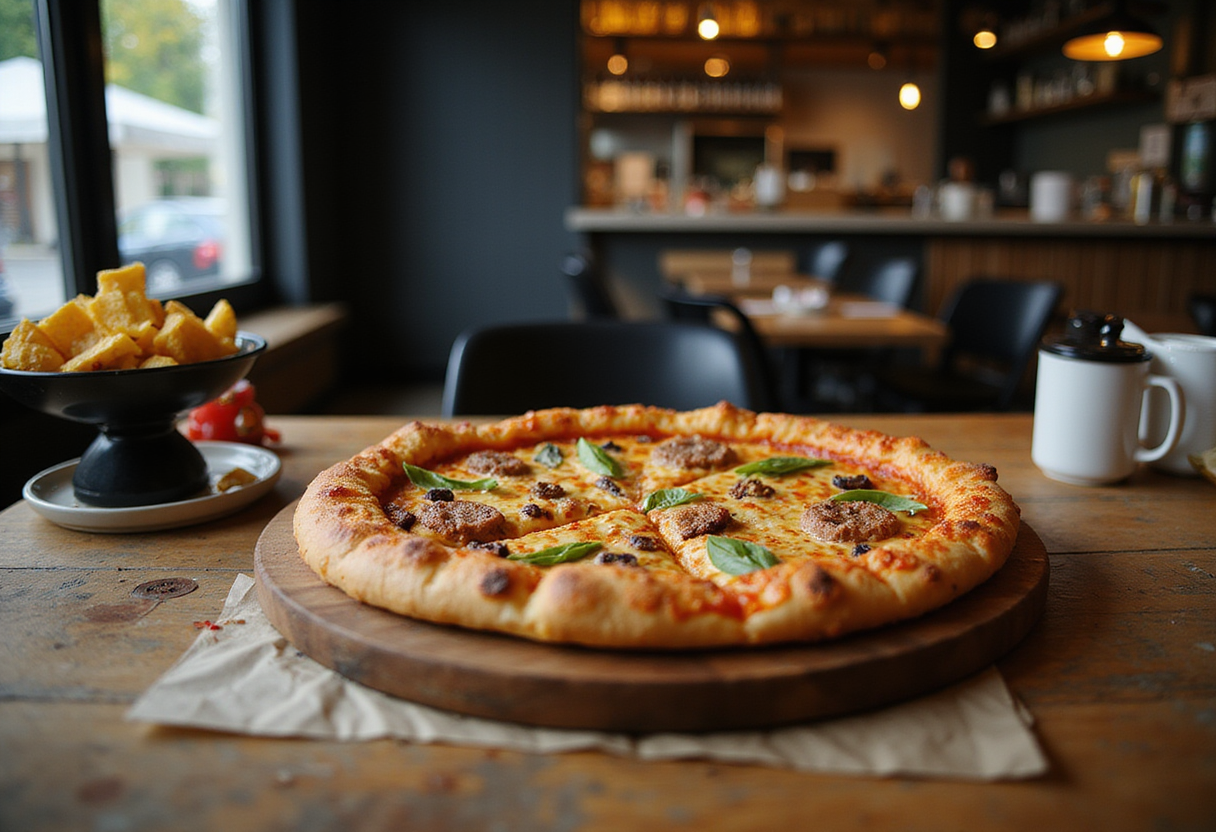
The food-to-go offer at Thorpe Park will, in practice, lean on a narrower range of pizza-by-the-slice or whole-pie options, pasta in portable formats, and sides and drinks designed for hand-carry consumption.
That menu trimming has knock-on effects on sourcing. Dough, sauce and cheese specifications in food-to-go must travel further from prep to service and across a wider temperature band than in a dine-in kitchen, raising the bar on supplier consistency and cold-chain discipline. Cheese performance under heat-lamp holding is a known operational pain point that shapes both supplier selection and waste percentages.
The leisure-venue catering mix
Theme parks and large UK visitor attractions have shifted over the past decade from a single in-house kitchen model toward a curated mix of branded partners, each supplying a distinct menu category. The pattern lets the venue operator capture a wider range of per-head spend without building every format from scratch, while branded partners bring recognition that lifts conversion among visitors who might otherwise default to in-park generic options.
Pizza Express joins that mix with a pizza-and-pasta offer broadly familiar to the UK family demographic that anchors most leisure-venue daytime trade.
What to watch next
For Pizza Express, the Thorpe Park food-to-go unit will be tested on throughput at peak arrival windows — typically late morning and lunchtime on high-attendance days — and on queue speed during those windows. For Thorpe Park, the addition gives the venue a recognized high-street pizza brand in a segment where branded choice has historically been thinner, raising the prospect of higher per-head food spend inside the gate.
Look for operator-level economics — peak-day covers, average transaction value, labor as a percentage of sales — to emerge in subsequent trading commentary from the brand's owner, or in later Caterer reporting. For now, the public record confirms the debut and the venue; finer operating detail is not yet disclosed, and rival casual-dining chains will treat the launch as a test case for the leisure-venue food-to-go channel.
More from Daniel Okafor
Show full bio
Correspondent covering consumer brands and retail at The Pass Brief.
216 articles