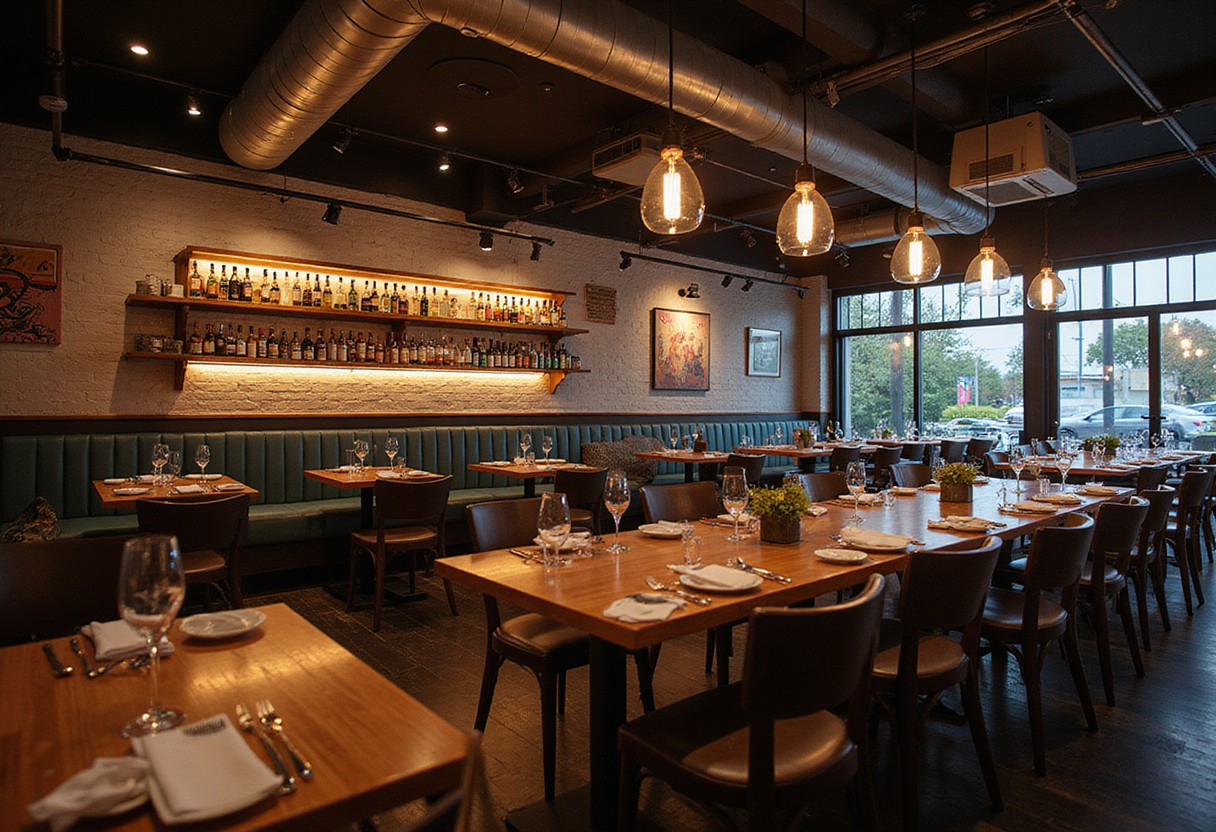
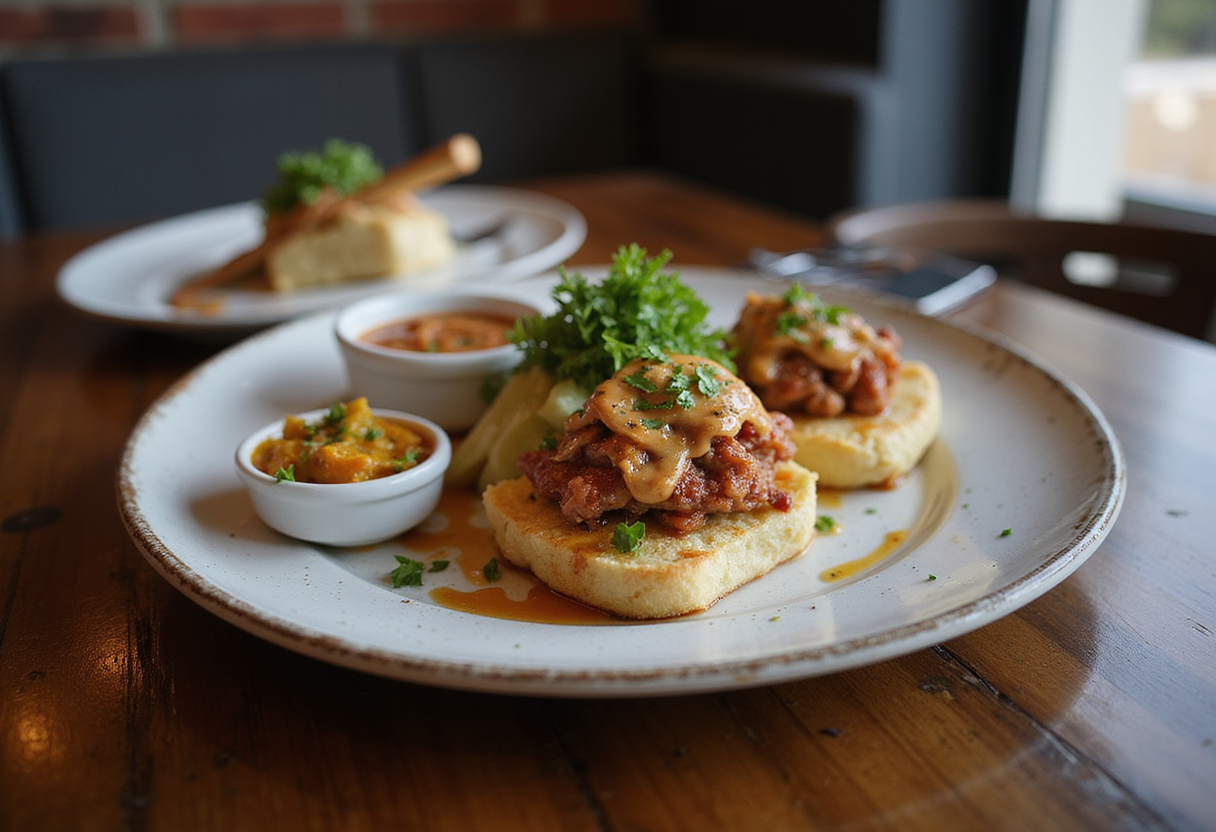
Waxlight, the Buffalo restaurant that drew national attention, is closing
Waxlight, the Buffalo restaurant that put the city's food-and-drink scene in the national spotlight, is closing, raising questions about how durable that profile is without its lead operator.

Waxlight, the Buffalo restaurant that put the city's food-and-drink scene in the national spotlight, is closing, according to the Buffalo News.
The shutdown removes a flagship independent from a secondary market that, over the last decade, has invested in chef-driven concepts to reposition its dining reputation. Waxlight's profile placed Buffalo alongside peer cities pursuing similar elevation strategies, and its departure raises the question of how durable that repositioning is once the lead operator exits.
What did Waxlight mean for Buffalo's national profile?
A restaurant earns "national spotlight" status when trade press, award circuits and out-of-market diners treat it as a destination rather than a regional stop. For a city like Buffalo, that label requires an operator willing to absorb the margin compression that comes with limited local check averages and the marketing costs of reaching travelers and national media.
The decision by an independent operator to underwrite that profile is, in effect, a subsidy of the broader local food-and-beverage economy. When that operator exits, the editorial coverage and reservation traffic the concept generated do not automatically transfer to remaining rooms.
What does the unit economics look like for a profile indie?
Independent restaurants that attract out-of-market press typically run check averages 20 to 40 percent below what the same concept could command in a primary market. That gap forces the operator to push covers — usually 200-plus per service — while maintaining the ingredient quality and labor standards the press profile demands.
Labor in New York State has moved against that model. Phased minimum-wage increases and the 2021 elimination of the tipped wage credit raised the labor cost line for full-service operators, and small chef-driven rooms absorb that pressure more directly than chain or high-volume independents.
Food costs for a chef-driven tasting or prix-fixe program typically run 32 to 38 percent of revenue, compared with 28 to 30 percent for a conventional full-service menu. Combined with elevated labor, the model leaves a thinner margin to cover rent, marketing and the reinvestment required to keep the press profile alive.
What happens to a market's profile after a flagship closes?
Secondary markets that have lost a lead chef-driven concept have generally seen national press coverage drop within twelve to eighteen months. Food media tend to list destinations rather than individual rooms, and they remove a market from rotation once the operator behind the elevation strategy exits.
Buffalo's national profile is not solely dependent on Waxlight. The city has multiple chef-driven rooms that have earned regional attention. But the editorial weight of a single, high-profile concept that anchors the national list is not easily replicated by a group of mid-tier independents, no matter how strong each is individually.
What does this signal for other secondary markets?
Buffalo is one of several Midwestern and Rust Belt cities that have used a single chef-driven anchor to build a national dining narrative. The closure concentrates risk as well as reward: the market's editorial standing moves with one operator's P&L.
For cities in similar positions, the lesson is operational rather than conceptual. A second-tier market can build a profile around one or two lead rooms, but the durability of that profile depends on whether the operators running those rooms can sustain the margin-for-coverage trade over multiple economic cycles.
What is the forward read for the space and the market?
The address is likely to return to the market quickly. Build-out-complete restaurant real estate in Buffalo's dining corridors tends to lease inside six months, often to operators from outside the region. The next tenant will determine whether the city holds the elevated profile or reverts to its pre-Waxlight editorial position.
For the broader Buffalo F&B economy, the closure is a reminder that secondary-market elevation strategies run on a single operator's willingness to trade margin for profile. The question now is whether the next operator to take the space is willing — and financially able — to underwrite that trade again.
More from Daniel Okafor
Show full bio
Correspondent covering consumer brands and retail at The Pass Brief.
216 articles