Nutrient Density Tops 2027 Trends List, Perimeter Trade Press Says
Nutrient density tops Supermarket Perimeter's 2027 trends list, signaling a grocery-perimeter claim set that restaurant operators will face in prepared foods.

Nutrient density has taken the top spot on a 2027 food trends list compiled by Supermarket Perimeter, the trade publication covering the fresh and perimeter departments of grocery retail. That is the entire hard fact of the moment. The forecast's supporting detail has not yet been published beyond the headline ranking, so this piece treats the verdict itself — and what it signals for operators — rather than inventing an inventory of runners-up.
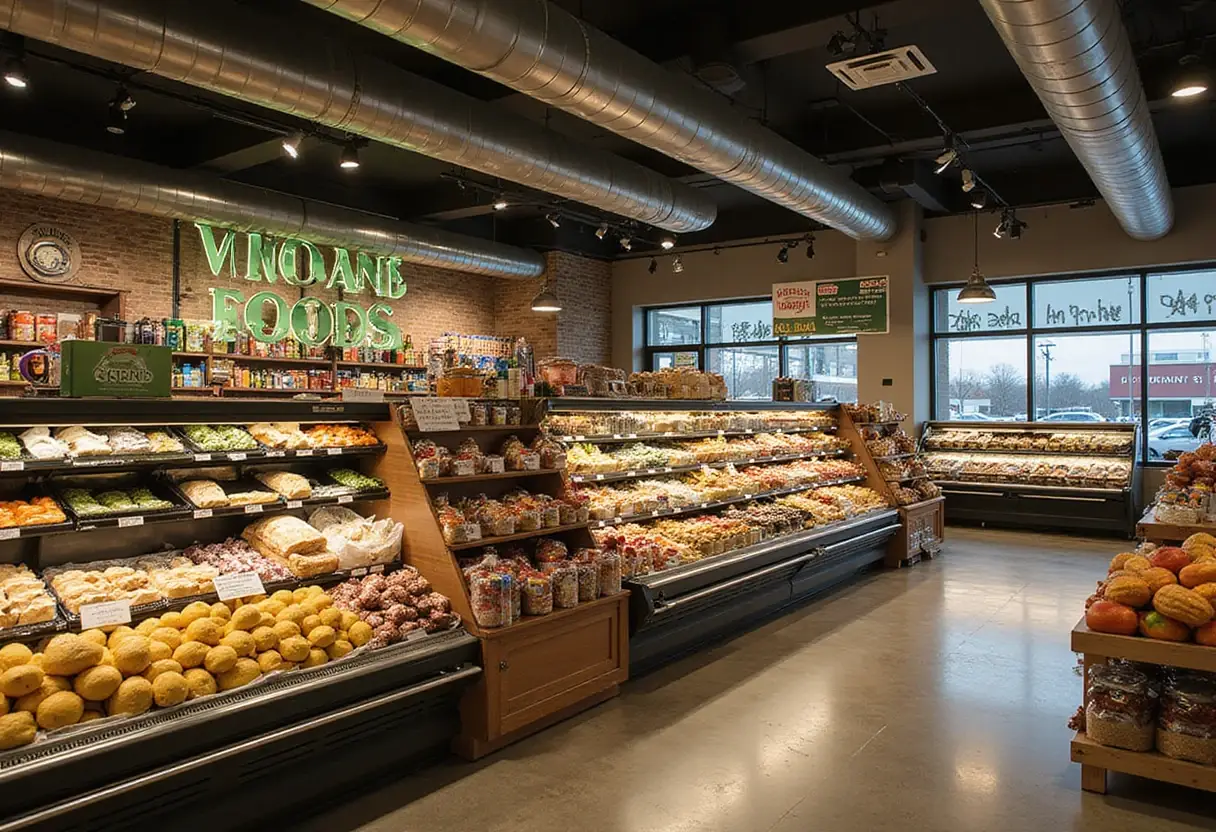
The signal matters because of who the list addresses. Perimeter categories — produce, fresh prepared foods, service deli, bakery and seafood — are where grocery fights its margin battle against foodservice. A trends forecast aimed at that audience does not rank flavors for their own sake. It ranks concepts that buyers, merchandisers and prepared-foods directors can translate into assortment, sourcing and case-ready programs.
Why does nutrient density work as a merchandising claim?
Nutrient density — the concentration of vitamins, minerals and other beneficial compounds per calorie — is a label grocery can operationalize. Unlike ambiguous wellness language, it points toward specific items: dark leafy greens, legumes, oily fish, eggs, fermented dairy, whole grains. Each carries a supplier base, a shelf-life profile and a price point that prepared-foods programs must manage.
For operators, the trend-to-economics chain runs in three steps:
- Sourcing. Nutrient-dense claims push procurement toward specified varieties and growing methods, which cost more than commodity equivalents.
- Menu and case engineering. Prepared-foods teams must build items where the nutrition claim survives cooking, holding and packaging.
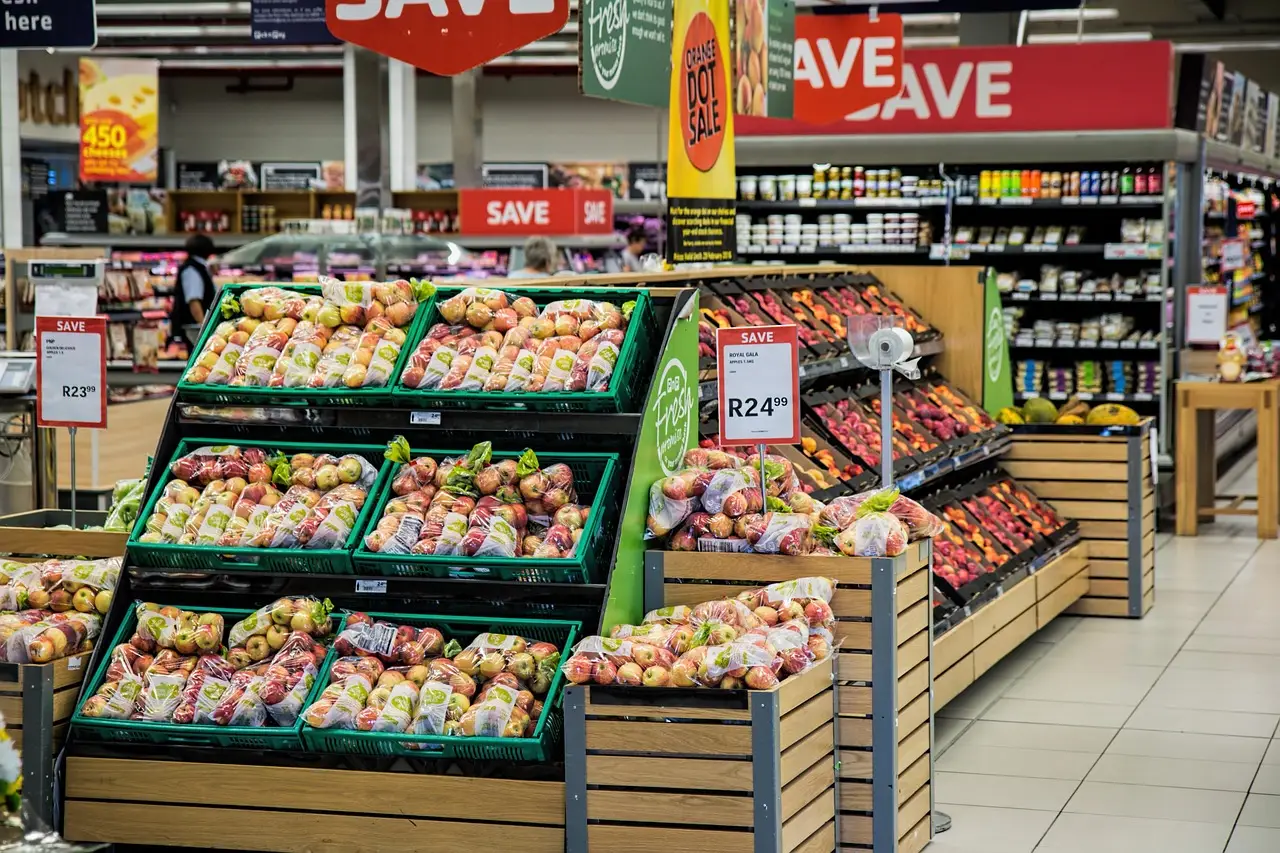
- Pricing. The claim supports a premium only if the shopper can see or believe the difference — hence the persistent role of signage and attribute labeling at the case.
What does this mean for restaurants?
Grocery perimeter and limited-service restaurants compete for the same occasion: the fast, better-for-you meal purchased on the way home. When grocery trade press puts nutrient density at number one, restaurants should read it as a preview of the claim set their competitors will merchandise against within the year.
The pattern has precedent. Protein-forward, fermented and functional claims each traveled from perimeter departments to fast-casual menus within a cycle or two of their trend-list debuts. Nutrient density is the latest framing in that lineage, and it is unusually demanding for kitchens, because the claim attaches to whole ingredients rather than to a preparation or a cuisine.
Can the claim survive a kitchen?
That is the operator's question, and the forecast does not answer it. Nutrient density is easiest to defend in minimal-preparation formats: salads, grain bowls, chilled seafood, grab-and-go items with short hold times. It is hardest to defend in anything breaded, creamed or held under heat, where the original ingredient quality becomes invisible to the guest and the cost of it becomes pure margin drag.
Operators who move early will do so in the perimeter manner — short ingredient lists, named sources, a number or attribute on the label. The full Supermarket Perimeter ranking should sharpen the picture when it publishes; expect the nutrient-density framing to show up in grocery prepared foods first and on fast-casual menus not long after.
More from Rebecca Stone
Show full bio
Senior reporter covering technology and product news in Restaurant and hotel operations at The Pass Brief.
485 articles