NSW Plastic Reforms: Cafes Face 2028 Deadline on Recyclable Cups
NSW has passed Australia's biggest plastics reform in a generation: recyclable coffee cups by 2028, mug-only dine-in service, and 800,000 tonnes of plastic waste in the government's sights.
More than 800,000 tonnes of plastic waste land in NSW landfills every year, and from 2028 every single-use coffee cup sold in the state will have to be recyclable. That's the headline number and the headline date in the plastics reform package the NSW Government has just passed — the biggest overhaul of problematic plastics in a generation, and one designed, officials say, with operators at the table.
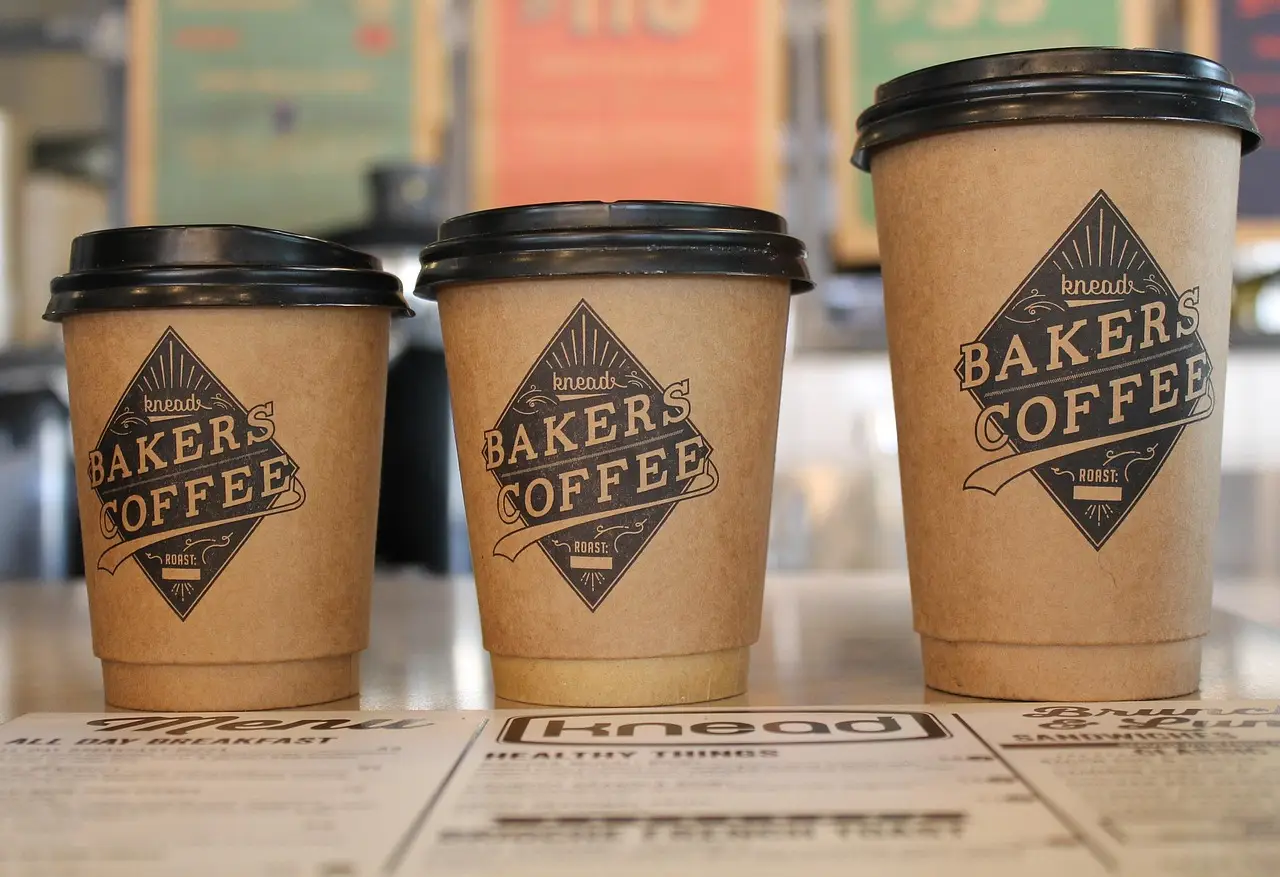
The initial announcement last week caused confusion in the cafe sector over takeaway cups. The government has now confirmed: coffee cups are not being banned. Instead, the reforms aim to make recycling those cups easier and to nudge customers toward reusables where they choose.
What changes for hospitality businesses?
The operator-facing obligations arrive on a staggered timeline:
- From 2028 — single-use coffee cups must be recyclable. No ban, just a redesign mandate for suppliers and packaging buyers.
- Dine-in rule — cafes will need to serve sit-down customers in a mug or glass, not a takeaway cup.
- Takeaway rule — cafes must accept customer keep cups for takeaway orders.
- Voluntary schemes — reusable cup borrow schemes will be introduced, letting customers take a keep cup and return it later. Small businesses won't be forced to participate.
- By 2030 — soy sauce fish containers must be recyclable.
- Late 2027 — plastic bread tags and pizza savers begin phasing out.
- By 2030 — non-compostable fruit and vegetable stickers must go, and plastic bottle caps and lids must remain attached to the bottle.
The reforms also require a redesign of takeaway food containers — plastic bowls with lids, bento boxes and sushi trays — so they can be recycled safely. For operators, that means packaging procurement conversations start now, not in 2027, because packaging suppliers will be re-engineering lines across the board.
Environment Minister Penny Sharpe framed the legislation as a partnership rather than a crackdown.
"The legislation we've just passed contains the biggest reforms of problematic plastics in a generation and has been designed in partnership with businesses and industries to support a smooth transition to reusable alternatives," Sharpe said. "Our wildlife, our waterways and our health will benefit from these changes."
Sharpe also delivered a blunt warning about the status quo: the days of unnecessary plastics being handed out, thrown away and left to pollute the environment are coming to an end.
Why the government says it's urgent
The scale is hard to picture, so translate it: 800,000 tonnes a year is the rough weight of more than 200,000 fully loaded semi-trailers of plastic, dumped annually. The government's prediction if nothing changes is starker still — by 2050, there will be more plastic in the sea than fish.
Reuse trials start next year
Before the mandates bite, the state will test the reuse economy in its own buildings. Reuse trials begin as early as next year at government-owned venues, including stadiums and office buildings, offering beverages and takeaway food in reusable packaging designed to be returned, washed and used again.
NSW doesn't start from zero here. Reuse models already operate at Barangaroo, at some festivals and in some stadiums — proof of concept that return-and-wash logistics can work at scale in the state.
For cafe and quick-service operators, the trials are worth watching closely. If government venues prove the return rates and wash-cycle economics, voluntary borrow-scheme participation could shift from nice-to-have to table stakes in high-traffic precincts.
Phase two of a program already running
These reforms form phase two of the NSW plastics ban. Phase one has been in force since 2022 and already removed lightweight plastic shopping bags, single-use plastic straws, stirrers, cutttery, plates and bowls from the market — meaning most hospitality businesses in the state have been through one compliance transition already.
Phase two goes wider: cups, containers, soy sauce fish, bread tags, pizza savers, produce stickers and tethered bottle caps all fall under its scope by 2030.
The practical question for operators is cost and workflow. The dine-in mug rule and keep-cup acceptance requirement touch daily service routines immediately once enforced, while the recyclable-packaging mandates push costs upstream to packaging suppliers before they reach the counter.
With trials starting next year and the first hard deadline arriving in late 2027, NSW hospitality businesses now have a multi-year runway to renegotiate packaging contracts and retrain service staff before the rules carry weight.
More from Daniel Okafor
Show full bio
Correspondent covering companies, deals and strategy in Restaurant and hotel operations at The Pass Brief.
499 articles