FDA Warns on Haifa Smoked Fish Sprats; Company Refuses Recall
FDA warns consumers and operators off cold smoked sprats from Haifa Smoked Fish Inc. after the company refused a recall over missing controls for Clostridium botulinum.

The FDA has issued a public warning about cold smoked sprats from D&M Smoked Fish Inc. after the company refused to recall the product — a rare step that puts the agency in the position of alerting the market directly.
The company, doing business as Haifa Smoked Fish Inc., operates out of Jamaica, NY. FDA inspectors found its cold smoked sprats were produced without the required controls to prevent growth of Clostridium botulinum, the bacterium whose toxin causes botulism poisoning.
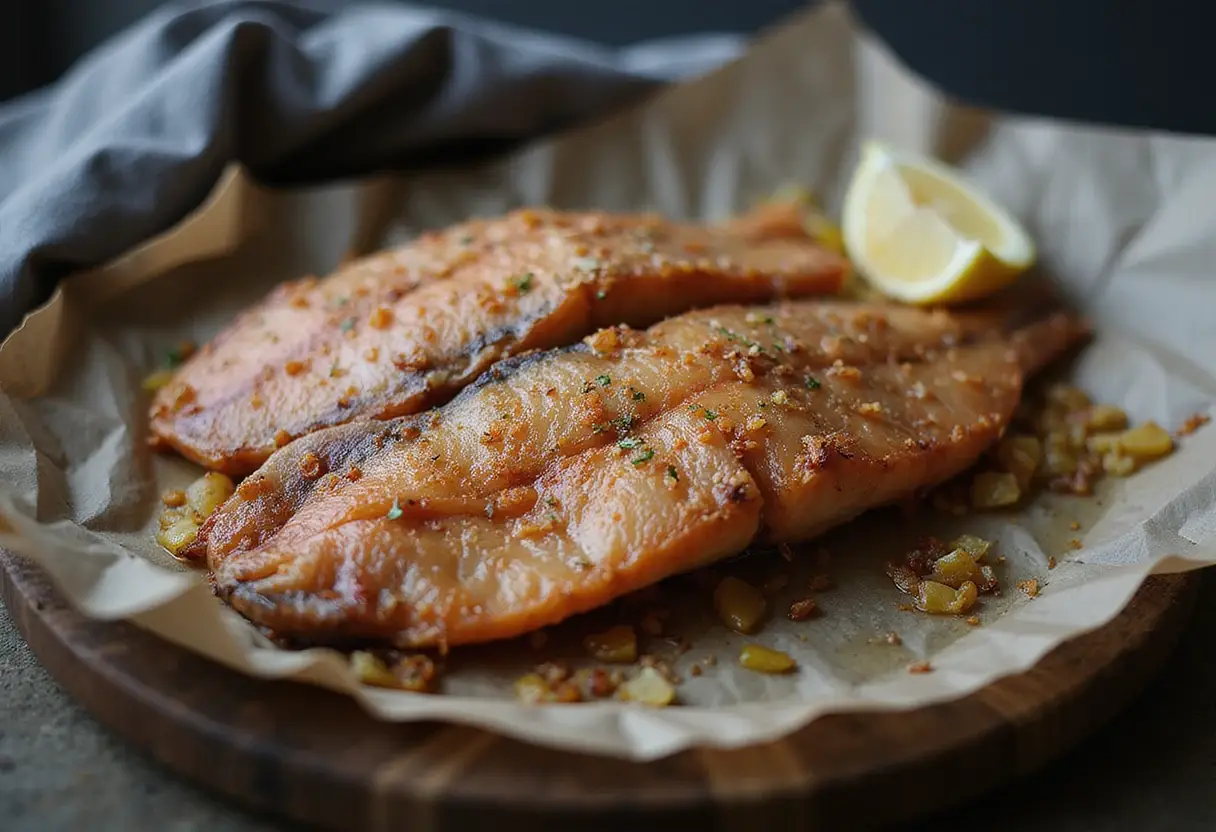
Normally, a recall request from FDA ends the story. Here it didn't. The agency recommended D&M recall all cold smoked sprats currently on the market, and the firm declined. So FDA went public, warning consumers directly about the potential botulism risk from sprats sold under the Haifa Smoked Fish name.
What does this change for operators?
For food service buyers, the instruction is blunt. FDA says retailers, restaurants, wholesalers and food service customers should not sell or serve cold smoked sprats from Haifa Smoked Fish Inc. If a kitchen isn't sure whether its sprats came from the company, FDA advises contacting the place of purchase or the supplier to confirm.
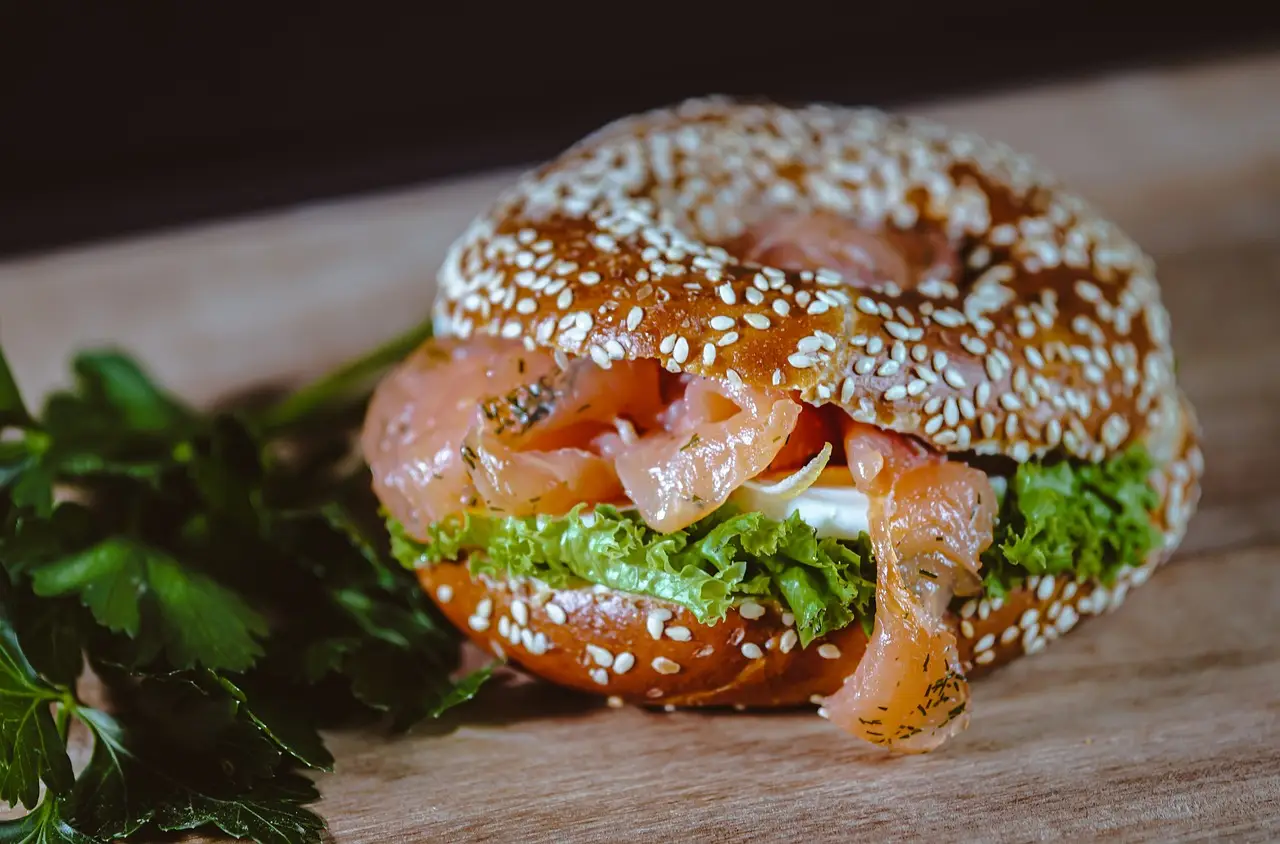
That's a practical checklist item for anyone running smoked fish on a menu — appetizer boards, bagel programs, Scandinavian-style plates. Verification runs through your supplier, not through a lot code, since no recall has been issued.
Why botulism is the concern
The mechanism matters here. Cold smoking happens at temperatures that don't kill Clostridium botulinum spores, which is why FDA requires specific controls — refrigeration, salting or packaging protocols — to stop the bacteria from growing and forming toxin in the finished product. FDA's inspection found those controls weren't in place at the facility.
The danger is invisible. Food contaminated with botulism spores doesn't look, smell or taste bad, so neither cooks nor diners can rely on sensory checks.
Symptoms and timing
In foodborne botulism, symptoms generally begin 18 to 36 hours after eating contaminated food. But FDA notes the window is wide: symptoms can start as soon as 6 hours after exposure or as late as 10 days later.
Symptoms may include:
- double vision, blurred vision, drooping eyelids
- slurred speech and difficulty swallowing
- difficulty breathing
- a thick-feeling tongue and dry mouth
- muscle weakness
FDA cautions that people with botulism poisoning may not show all of these symptoms at once, so the absence of one sign doesn't rule it out.
Left untreated, the disease can progress to paralysis of specific muscles — including those used for breathing, and those in the arms, legs and torso from the neck to the pelvis. Untreated botulism can paralyze the muscles needed for breathing and cause sudden death. Anyone who has eaten the product and developed symptoms should seek medical attention immediately.
What comes next
With the firm refusing a voluntary recall, the product remains in the market channel on paper, which means FDA's enforcement options — from seizure to mandatory recall powers — may come into play. For now, the burden of screening falls on distributors and operators who handle cold smoked fish.
More from Olivia Hart
Show full bio
Staff writer covering regulation, policy and their impact on Restaurant and hotel operations at The Pass Brief.
504 articles