Noma Reopens in Copenhagen at £1,600 a Table, Without Its Stars
Noma reopened in August 2026 with a 22-course menu near £1,600 for two. Redzepi stays as owner despite stepping back from leadership after abuse claims.
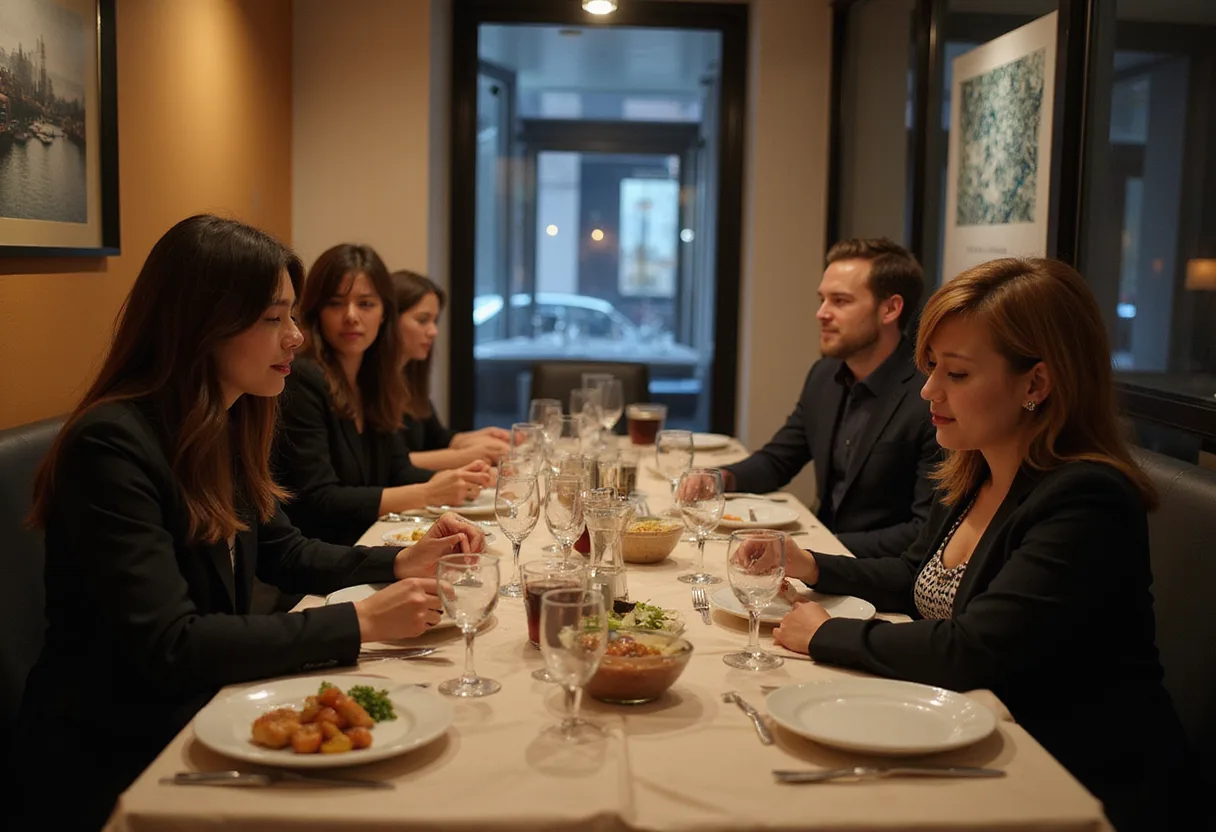
Noma reopened in August 2026 with a tasting menu of 22 dishes priced near £1,600 for two with wine pairing — and no Michelin stars, because the restaurant was not open long enough to qualify for evaluation.
The Copenhagen institution, which closed its fine-dining service at the end of 2024 after more than 20 years, sold out its three-month reservation window within minutes of bookings opening. The demand persists despite a turbulent lead-up: in March 2026, an investigative report in The New York Times detailed accusations against co-founder and former head chef René Redzepi of exploiting unpaid interns and physically and psychologically abusing staff.
Redzepi responded on Instagram that month. "I recognise these changes do not repair the past. An apology is not enough; I take responsibility for my own actions," he wrote, adding: "After more than two decades of building and leading this restaurant, I've decided to step away and allow our extraordinary leaders to now guide the restaurant into its next chapter."
He has not left. The restaurant's website lists him as "founder and owner, creative director" under its leadership section, and he greeted guests at the door on reopening night.
What has changed inside the restaurant?
The most concrete operational shift is the menu cycle: it now changes monthly rather than three times per year, tracking seasonal ingredients. The kitchen is led by new head chef Pablo Soto, who started at Noma in 2012 as an intern. He has described the reopening as "not a return to what was, but a new chapter."
Noma says it has introduced improved working hours and staff welfare measures — a direct answer to the labor practices documented in the Times report, which had reinforced Copenhagen's by-association reputation for toxic kitchens. Several staff members at the reopening cited their many years of service at the restaurant.
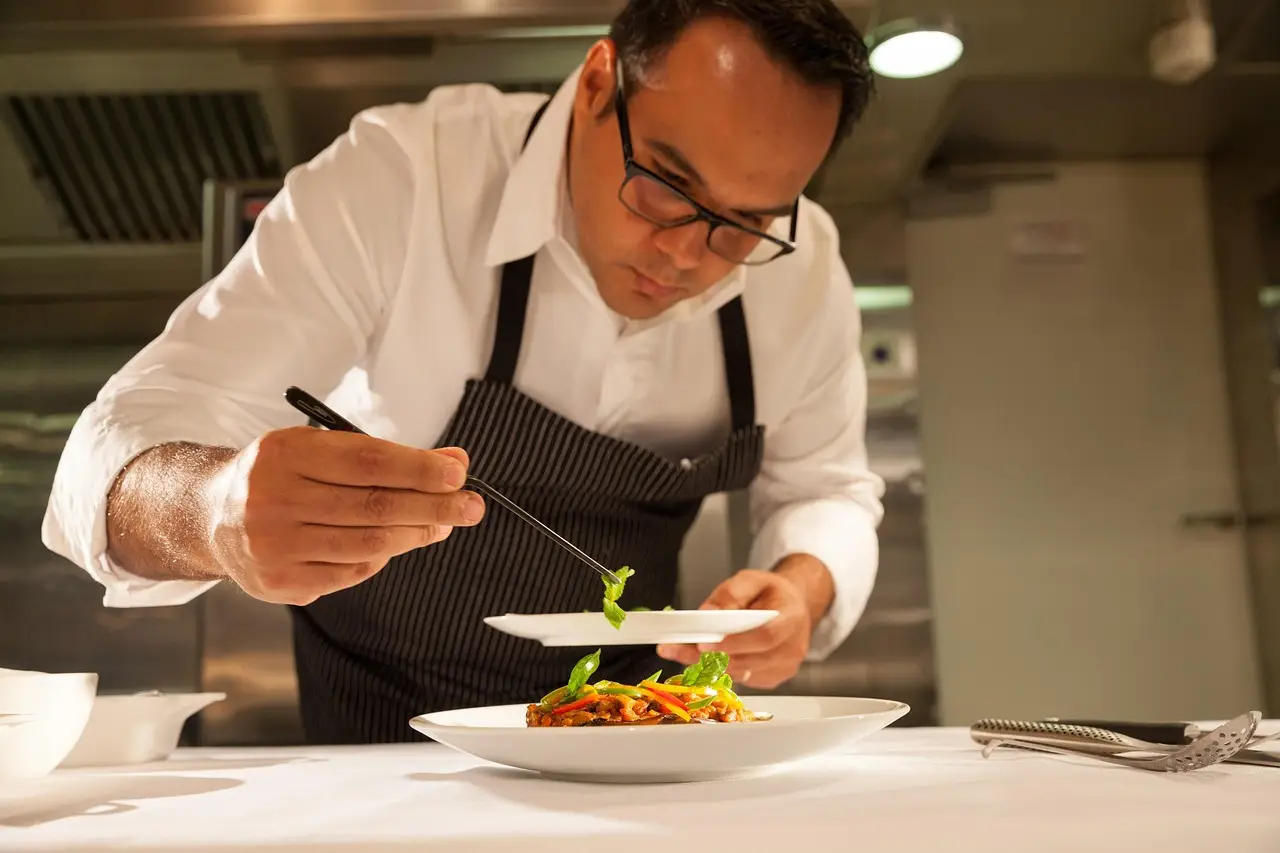
The format is otherwise familiar: a 22-course parade heavy on foraged and fermented ingredients — Danish lobster tail with grapes, rose petal gazpacho, a mold and seaweed tartlet, a pike-perch head served as a course of its own. The wine pairing draws on small-batch vineyards.
What does this change for Copenhagen?
The city's dining economy no longer depends on one address. Copenhagen earned a record 31 Michelin stars across 21 restaurants in 2026, and much of that roster was built by Noma alumni. Among them is ESSE, one of three restaurants in the city to gain its first star this year, run by former Noma chef Matt Orlando around ingredients from regenerative organic farms.
"Copenhagen just has so many high-quality food spots to choose now, whatever your price range," Orlando said while serving a dish of chilled mint and chilli noodles containing crushed fish bones.
The high-end market has also diversified formats. The Tivoli theme park hosts revolving Michelin-starred pop-ups — currently Bangkok-based, three-star Sühring at the Japanese Pagoda, presenting contemporary German cuisine. Mikkel Ustrup, Tivoli's high-end director, said: "Just three years ago, the pagoda was a Christmas shop. We've had seven restaurants visit this year from across the globe, and now I have to say no to restaurants asking to come!" The pagoda also hosted the 2026 Michelin Guide Nordic Countries awards.
Beyond the starred tier, the scene now spans a floating pizza restaurant reached by kayak, the theatrical Alchemist with its freeze-dried butterflies, and Himalayan-inspired momo dumplings at the Reffen street-food site.
Noma remains fully booked and, by most accounts, in a league of its own. But the question of whether it recovers its three Michelin stars — and on what timeline — is now secondary to a bigger shift in the market: Noma is foundational to Copenhagen's culinary identity, but it is no longer its anchor, and its legacy is now larger than the restaurant itself.
More from Elena Vasquez
Show full bio
News editor covering people, launches and day-to-day practice in Restaurant and hotel operations at The Pass Brief.
718 articles