Moline couple reopens the historic restaurant where they met
A couple has reopened the historic Moline restaurant where they met, per KWQC. The brief report omits concept, opening date, and check average — the operator-level facts the trade audience needs to benchmark the reopening.
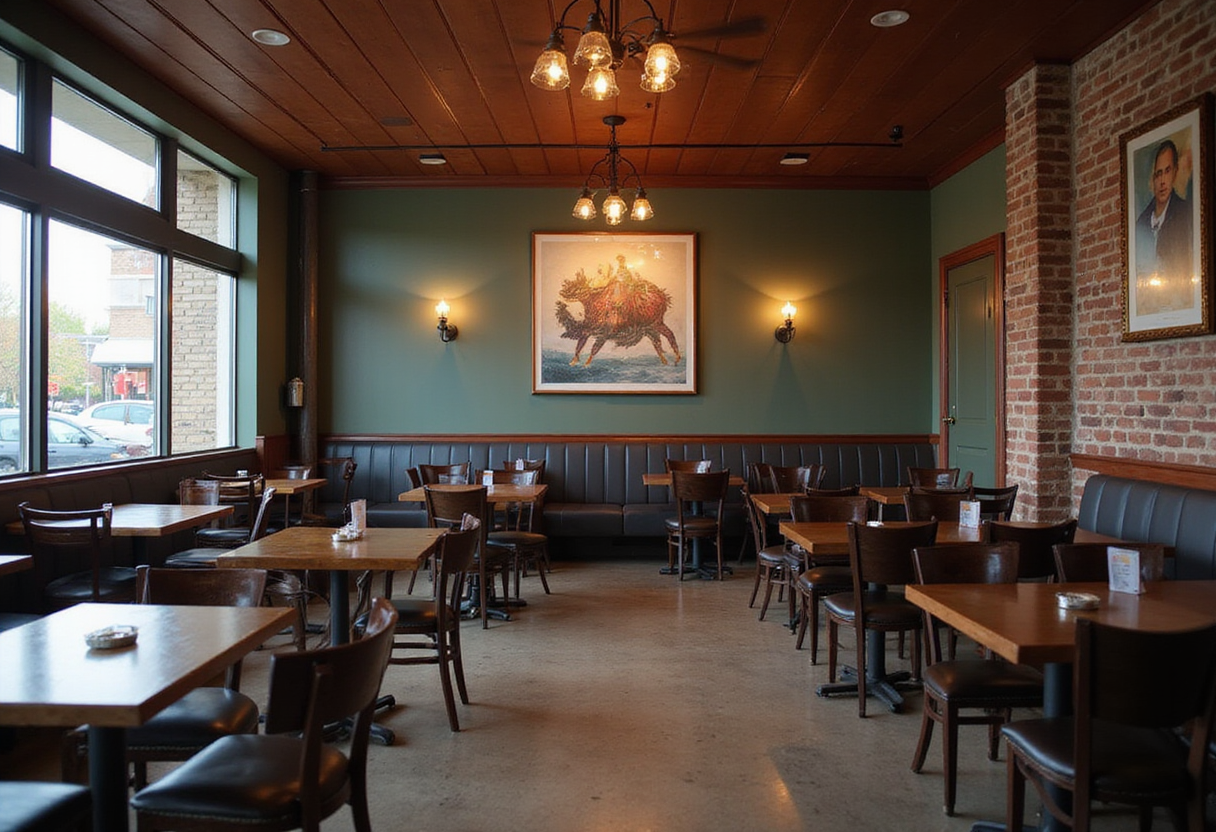
A couple in Moline, Illinois, has reopened the historic restaurant where they originally met, according to a brief report from KWQC, the NBC affiliate serving the Quad Cities region. The available reporting names no property, lists no menu concept, and does not state the reopening date.
The headline delivers three verifiable elements: a reopening has occurred, the property carries a historic designation, and the operators share a personal history with the building. Any operator-level read on unit economics requires additional detail the source does not supply.
What's missing from the original report
The story as published identifies no concept, no opening date, no check average, no seat count, and no ownership vehicle. Those are the load-bearing facts for the trade audience. A heritage-property reopening in a secondary Midwest market carries a specific cost structure — older mechanicals, code-driven accessibility upgrades, and a footprint rarely designed around contemporary ghost-kitchen or commissary workflows — and the only way to benchmark the venture is to know what was spent, what labor model is in use, and what menu architecture the operators have chosen.
For now, the original report has run a feature lead without the operator payload.
Why the operator angle matters here
Restaurant reopenings driven by principals with direct attachment to the asset show up regularly in regional press but rarely in trade analysis. That gap matters because the underlying math diverges from a standard acquisition. Owner-operators in this profile typically accept a lower return hurdle, since the deal includes non-cash utility: pride, identity, control of a personally meaningful property. The same dynamic can also inflate build-out costs, since nostalgic build-outs tend to over-spec on finishes and under-spec on back-of-house throughput.
Trade readers watching for comparable comps would weight the reopening against similar legacy revivals in Rock Island, Davenport, and Cedar Rapids, rather than against new-build independents.
Quad Cities market context
Moline sits on the Illinois side of the Quad Cities, which also includes Rock Island on the Illinois bank and Bettendorf and Davenport across the Mississippi in Iowa. The metro's restaurant demand draws on a base that includes John Deere's corporate and manufacturing footprint, the Rock Island Arsenal installation, and venue traffic generated by the city's arena and convention complex. Heritage dining rooms in the area have historically operated as long-cycle independents, with ownership cycles often measured in decades rather than years, which makes a personal-attachment reopening plausible but not common.
What operators should watch
The next reporting pass on this reopening should confirm three things: the original concept's identity, the date the new unit began service, and the menu architecture — particularly whether the operators are running the historic menu as archived, modified, or fully replaced. Those data points would let trade readers benchmark labor percentage, food cost, and average check against category peers in the Quad Cities.
In a market where reopenings tend to surface first as human-interest features before any operator-level disclosure, the gap between the headline and the unit-economics data remains the working story.
More from Rebecca Stone
Show full bio
Senior reporter covering media and advertising at The Pass Brief.
225 articles