Meta's 230-Page Lawsuit Problem and Why Hotels Aren't Sweating It
Meta faces a 230-page lawsuit over its smart glasses, but hospitality's loyalty-driven consent playbook may give hotels a head start on AI recognition tech.
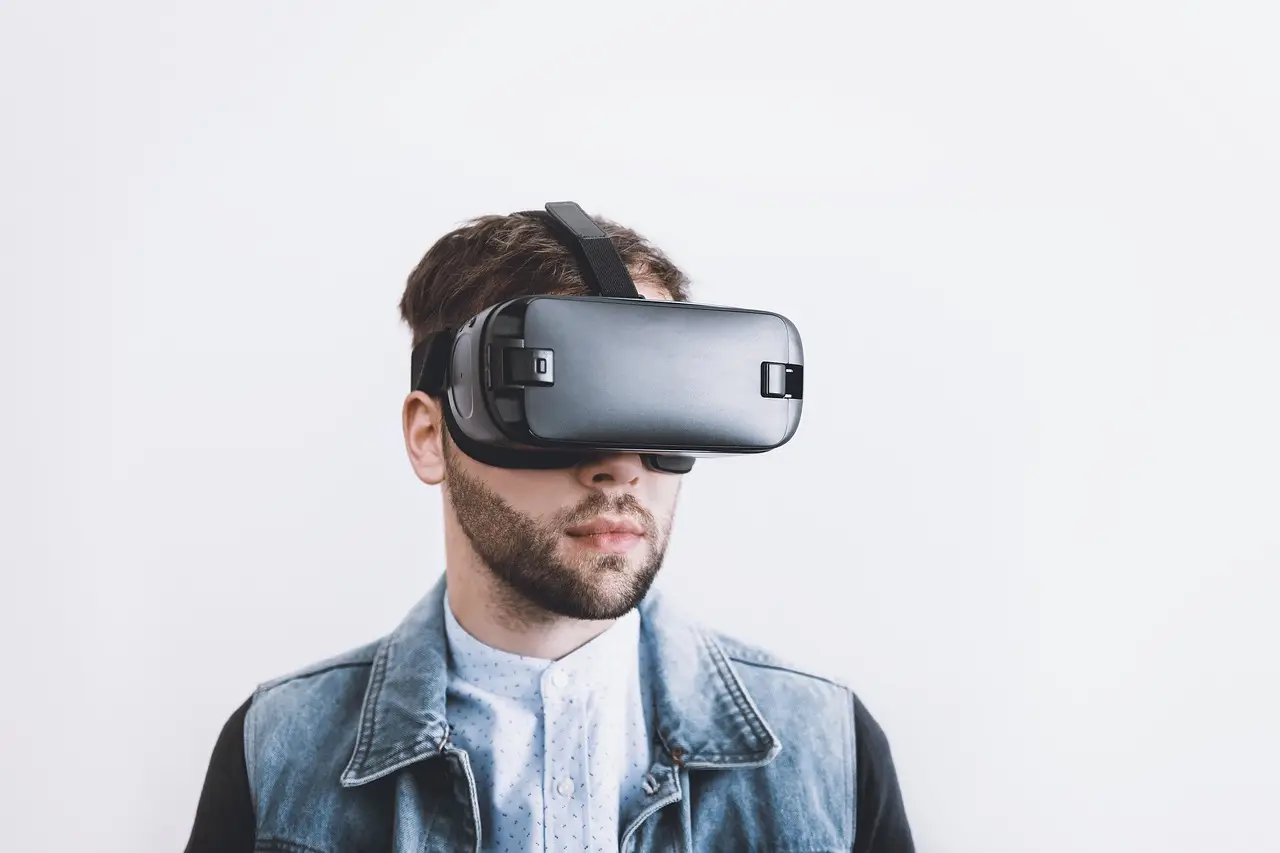
A 230-page lawsuit accusing Meta of fraud, false advertising and violations of consumer protection laws across multiple states is now the loudest front in the smart-glasses privacy fight — and it's a fight hospitality has quietly been preparing to win for decades.
Meta released its newest, non-branded glasses in June. By the time Kylie Jenner debuted a style she designed, the backlash over non-consensual surveillance had, by most accounts, exploded overnight. Celebrities and influencers who partnered with Meta or simply wore the product faced sharp criticism from fans, who framed the glasses as a privacy and safety threat — especially for women. The Los Angeles Times reported on the suit; Futurism ran a piece under the headline "Zuckerberg's Pervert Glasses Have Been So Publicly Shameed That Meta's Reportedly Now Working on a Version With No Camera." Meta CTO Andrew Bosworth pushed back, insisting the conversation "shouldn't be dominated by a small number of bad actors."
That's the consumer-tech side. The hotel side looks very different.
Why hospitality thinks it has a head start
The industry's argument, laid out in a recent opinion piece, is simple: hotels already run one of the oldest consensual data exchanges in business. Loyalty programs trade preferences, patterns and behavioral data for tangible perks — upgrades, late checkout, remembered coffee orders — and guests have overwhelmingly celebrated that bargain because, the argument goes, the ask has always been clear and the benefit worthwhile.
Wearable AI with built-in guest recognition is, in this framing, not a departure but the next chapter. Staff equipped with recognition tools can intercept returning guests with seamless personalization that's otherwise operationally impossible — the standing dinner reservation, the known allergy, the preferred pillow, delivered without the guest repeating a word.
What does this change for the average operator? The distinction that matters is consent architecture. Nobody serious in the hotel space, the piece stresses, is proposing quiet lobby face-scans cross-referenced against a database. Instead, recognition would be:
- Tied to a loyalty tier
- Offered as an explicit opt-in, the same way an upgrade is
- A perk, never a default for every guest on property
That splits the modern guest journey into the anonymous stay versus the recognized one, with the guest choosing — and the personalization carrot simply riper than before.
The service-failure flip side
There's an operational edge to this that seasoned hoteliers know well. A returning guest with a documented allergy and a preferred pillow doesn't experience recognition as intrusion. It's a baseline expectation — invisible when delivered, and catalogued as a service failure when absent. A blank stare at the front desk, or the same request explained twice, registers as an affront. Personalization at scale has been the industry's stated goal for years; recognition tech is arguably the tool that finally closes the gap between "intimate" and "contrived."
Who's checking the robot?
The piece raises the practical governance question directly: if an AI agent does the recognizing, greeting and personalizing, who ensures it doesn't get it wrong — and how much oversight is enough?
The answer offered is deliberately unglamorous. There were human mistakes before there were AI mistakes, and on hotel grounds any guest-facing error can be damning. The proposed checks-and-balances:
- Audit recognition data the way any guest-facing data would be audited
- Always give staff the ability to override the system and apply their own judgment
- Make the opt-out as easy to find as the opt-in
An internal hospitality agent, the argument runs, isn't a different species of risk — it's the same human-to-machine hand-off with higher stakes, which demands governance rather than prohibition.
Asking first isn't the hard part
Notably, the piece doesn't dismiss the Meta backlash as overblown, and it doesn't grant hospitality a pass for having "better manners." The sharpest question it poses cuts both ways: if a guest happily lets a hotel remember their room preferences, their dinner reservation and their coffee order, what exactly are they protecting by refusing to let it remember their face?
The author's answer: that's the guest's call to make, not the industry's to assume. The only job left for hospitality is to keep asking the question well — and asking guests what they want, the piece concludes, is the one thing the industry has never stopped doing exceptionally well. As wearable backlash intensifies on the consumer side, expect hotels to lean harder on opt-in framing as their competitive permission structure.
More from Daniel Okafor
Show full bio
Correspondent covering companies, deals and strategy in Restaurant and hotel operations at The Pass Brief.
558 articles