Restaurant Bathrooms Have Become a Design Battleground, The Guardian Reports
The Guardian reports restaurant bathroom design has gone wild, as operators turn a code-required space into a brand statement competing for buildout dollars and guest photos.
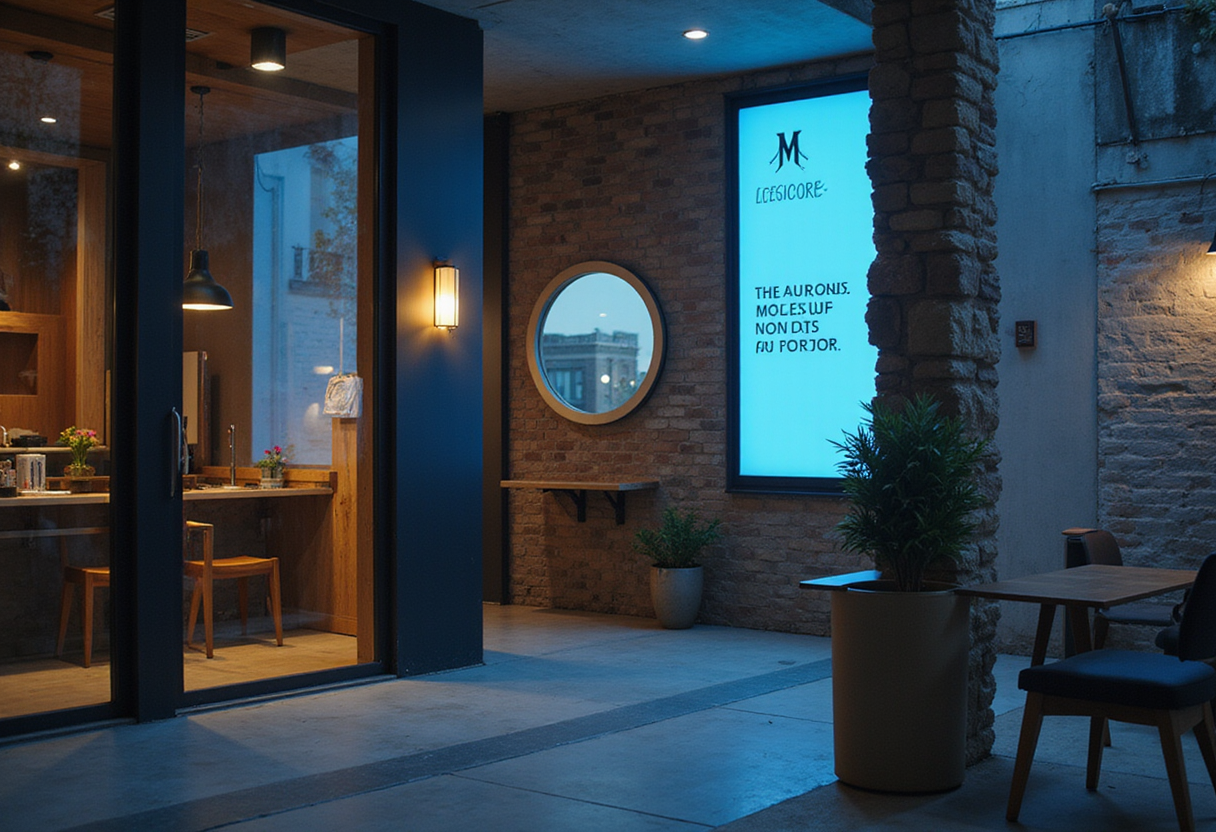
The Guardian has published a feature arguing that restaurant bathroom design has, in its words, gone wild — with operators across the casual and fine-dining segments treating the restroom no longer as plumbing and tile but as a deliberate extension of the dining room's brand identity.
The piece, headlined "The lure of the loo: how restaurant bathroom design went wild," surveys a shift that operators will recognize at the capex level: the restroom line item in a buildout budget has moved from a compliance necessity toward a design statement, competing with the dining room for materials budget, lighting specification and even social-media strategy.
Why are operators spending on restrooms at all?
The economics are straightforward even when the spend is theatrical. A restroom visit is one of the few guaranteed touchpoints every guest has with a restaurant's interior — every diner, every meal, no exceptions. That makes it a high-frequency brand surface that a dining room alone cannot match.
It also functions as a proxy signal. Guests who encounter deliberate design in the restroom — considered fixtures, coordinated finishes, music continuity — extrapolate that attention to the kitchen and to food-safety standards. The Guardian's framing treats this as a genuine trend with momentum rather than a handful of isolated novelty projects.
What does this change for operators planning a buildout?
For an operator weighing a remodel, the story raises a practical question: does an Instagrammable restroom pay for itself? The logic behind the trend rests on three mechanisms the feature points toward:
- Dwell-time marketing. A distinctive restroom gives guests a reason to photograph and post the space, extending the restaurant's reach beyond the table.
- Brand coherence. Design-forward operators increasingly carry the dining room's material and lighting language into the restroom so the brand does not break between courses.
- Differentiation in crowded markets. When menus and price points converge within a segment, interior details — including the most private room — become a competitive marker.
None of this eliminates the baseline constraint: restrooms remain regulated space, with accessibility and code requirements that cap how freely the square footage can be reimagined.
The cost side of the statement
The trend carries obvious cost-of-build implications. Custom millwork, specialty fixtures and statement lighting in a low-revenue square-foot zone compress the budget available for revenue-generating space, and operators financing a buildout will have to judge whether the marketing return justifies the finish level.
The counterargument embedded in the trend is that the restroom is square footage guests actually talk about. A dining room competes with every other dining room; a memorable restroom competes with almost nothing in a guest's memory of the meal.
The Guardian's feature suggests the answer many operators have reached: the restroom is now part of the menu. Expect finish-level spending on restrooms to remain a live line item in concept budgets as long as interior design continues to drive discovery traffic.
By Elena Vasquez
More from Elena Vasquez
Show full bio
News editor covering people, launches and day-to-day practice in Restaurant and hotel operations at The Pass Brief.
347 articles