AIHA Hotel AI Orchestration Guide Offers 30 Technical Checks
AIHA's free framework gives hotel teams five components, 14 procurement questions and 30 technical checks to govern AI agents across systems with clear permissions and auditability.
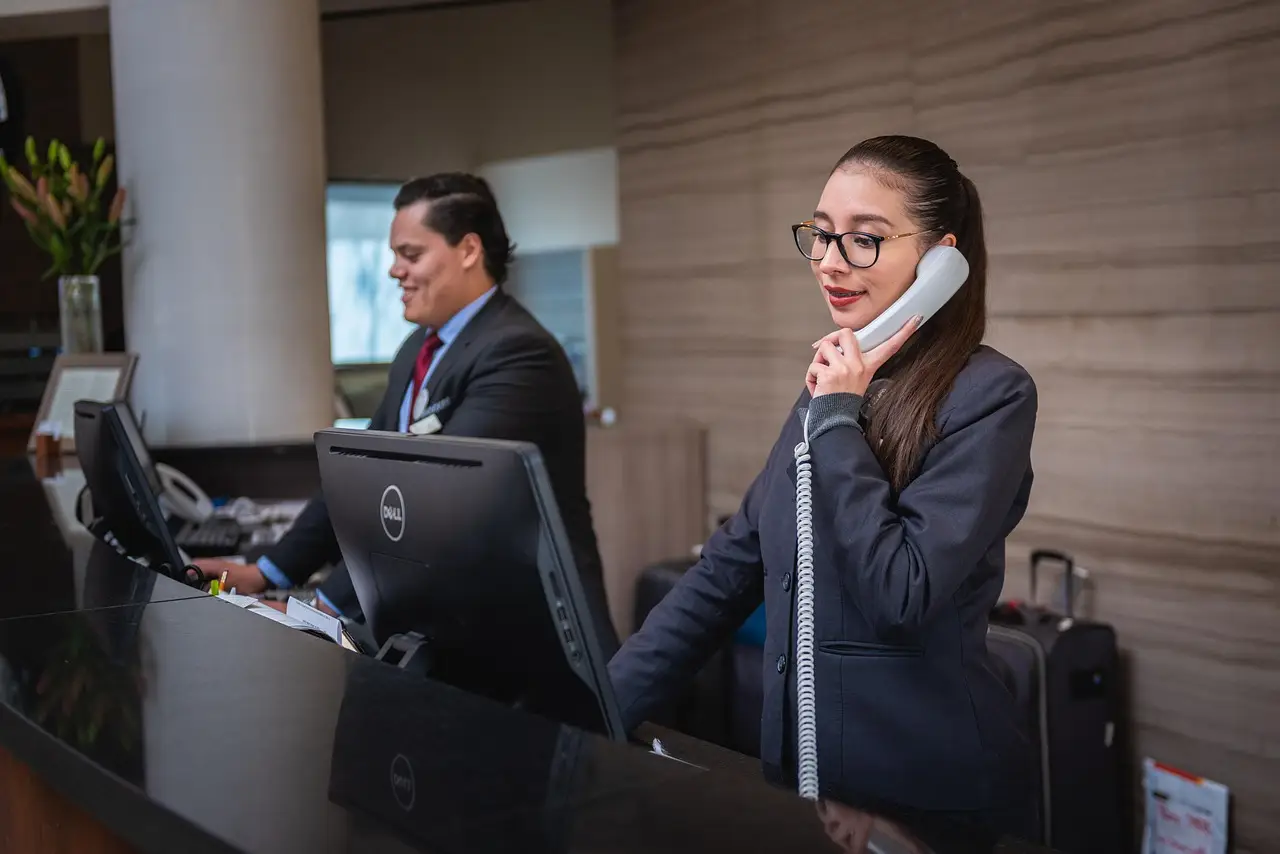
AIHA’s free hotel AI orchestration framework includes 30 technical self-assessment checks, 14 procurement questions and a five-component architecture for coordinating multiple AI agents across hotel systems.
By Olivia Hart
The AI Hospitality Alliance announced the publication of the AI Orchestration Framework for Hospitality, developed for hotel operators, technology leaders, architects, integrators and procurement teams. It addresses a central implementation question: how can multiple agents access information and take action across hotel systems while preserving permissions, accountability and operational control?
When several AI tools serve the same hotel, each needs reliable information and clearly defined authority. Separate integrations can create duplicated work and inconsistent answers across channels.
The guide explains when a shared integration and control layer can help, how to choose a data foundation, and how to preserve flexibility as technology providers change. It also helps organizations recognize when a separate orchestration layer is unnecessary.
What does the framework change for hotel teams?
It gives teams a common way to test authority, data access and failure handling before connecting systems. For operators, that means fewer assumptions about which agent can act, which records it can touch and who resolves an overnight problem.
The guide itself is free. The publication does not name an implementation vendor, fee structure or party that pays for orchestration software; each hotel still has to determine the owner and scope of that layer.
The proposed shared layer is not a replacement for authoritative hotel systems. Its potential gain is reducing duplicated work and inconsistent answers, while independent checks ensure AI-generated proposals do not change records without validation. Software services validate authority and operating conditions, while existing hotel systems retain responsibility for their authoritative information.
The five-part control stack
The framework organizes the architecture around five components:
- Request router: Directs requests and maintains relevant context.
- Knowledge gateway: Retrieves information within defined access boundaries.
- Model router: Selects AI models according to organizational policies.
- Tool orchestrator: Coordinates actions and manages workflow failures.
- Authentication and governance: Enforces identity, permissions and auditability.
Together, these components form a chain from request to action. The model router governs model selection, the knowledge gateway restricts retrieval and the orchestrator handles tools and failed workflows.
Resources for procurement and testing
AIHA packages the framework with a quick-start overview, an integration inventory workbook, 14 procurement questions and 30 technical self-assessment checks. The workbook helps document systems, while the checks expose gaps and prompt teams to request evidence before implementation decisions.
Among the procurement questions are five operating decisions:
- Which workflows cross multiple systems?
- Who owns the orchestration layer?
- What happens when an issue occurs overnight?
- Which actions require human approval?
- What information and configurations can the hotel retain if it changes vendors?
The guidance turns architecture into questions operators can put directly to technology partners. That makes the cost of a proposed integration visible through the work, data access and approvals it requires, although the publication does not disclose implementation prices.
From examples to implementation
Five illustrative examples connect the framework with common hotel operations:
- Check-in coordination
- Room upgrades
- Voice bookings
- Verified access to guest information
- Paid suite upgrades
AIHA presents these as scenarios for teams to examine with integration partners and adapt through testing. They illustrate where agents may cross system boundaries, without prescribing a finished configuration for any hotel.
AIHA credits contributors and external reviewers whose expertise shaped the publication. Founder Ira Vouk said:
“Hospitality has an opportunity to shape how AI works across our industry. That requires people with different perspectives to come together, ask difficult questions, and turn their experience into guidance others can use. Our goal is to make that shared knowledge accessible and give hospitality teams greater confidence in the decisions ahead.”
The release follows AIHA’s Hospitalistity AI Governance Framework and other technical and educational initiatives. The alliance describes itself as an industry-led organization that brings together hospitality leaders, technology companies, academics and AI experts through global collaboration, education, research and open industry resources.
Vouk added:
“Every organization should have access to practical guidance as it prepares for AI. By making these resources freely available, we want to help teams ask better questions, have more productive conversations with technology partners, and move forward with a clearer understanding of their responsibilities.”
Hotels can explore the framework and supporting resources, review AIHA’s published guides and learn more about the alliance at joinAIHA.com.
The next test is whether hotel teams can turn the 30 checks into documented controls before agents change authoritative records. That discipline will matter as providers change and more tools share access to hotel data.
More from Olivia Hart
Show full bio
Staff writer covering regulation, policy and their impact on Restaurant and hotel operations at The Pass Brief.
558 articles