Meadow Lane’s $11.71M First Year, Led by Chicken Tenders
Meadow Lane booked $11.71 million in first-year sales and 332,635 transactions. Chicken tenders drove volume, but the Tribeca grocer still has not disclosed its profit.
By Marcus Bennett
Meadow Lane generated $11.71 million in first-year sales from 332,635 transactions across 349 operating days, according to figures founder Sammy Nussdorf provided. The store marked its first birthday on Saturday. It averaged $35.20 per transaction and sold more than one million items from a 2,300-square-foot store at 355 Greenwich St.
What do the sales figures actually show?
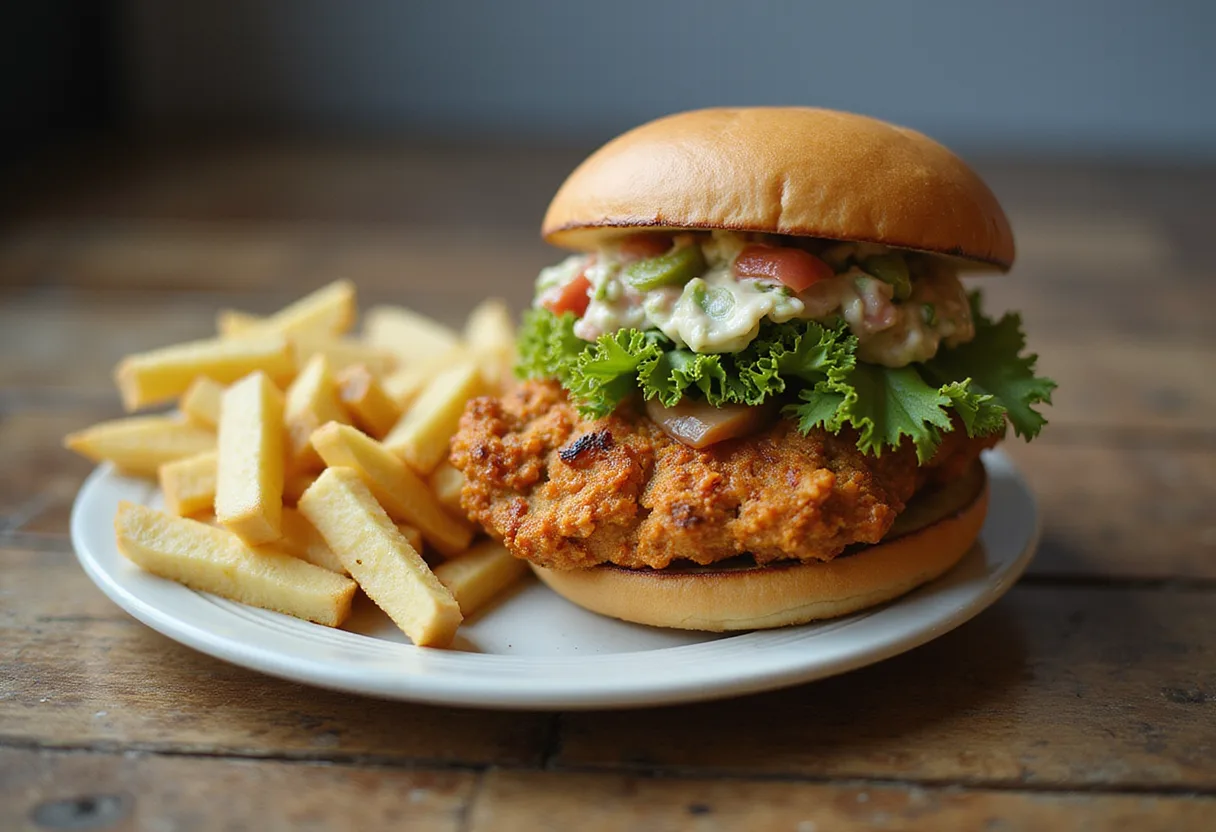
Hot chicken tenders supplied most of the visible sales volume. Meadow Lane sold 68,223 hot-tender orders, about 195 daily, at roughly $16 for five gluten-free pieces. That equaled one order every 4.3 minutes and generated about $1 million in sales.
The grocer reported moving 45 tons of chicken in its first year. Cold tenders, sold on DoorDash for $21.58, pushed combined tender orders above 103,000. Nussdorf joked that the operation was, in effect, a chicken factory.
The broader menu included “THE Chicken Salad,” Chinese Chicken Salad and a chicken salad wrap. Bethenny Frankel, who calls herself the chicken salad queen, praised “THE Chicken Salad” as high quality. The range gave one protein several formats within a small footprint.
Shoppers did not arrive mainly to replenish everyday essentials, Nussdorf said. He also rejects the description of Meadow Lane as really a grocery store. That caveat matters because prepared chicken, rather than broad pantry demand, supplied the clearest evidence of repeat traffic.
The register total reached $12.67 million, including taxes, tips and gift-card purchases. Meadow Lane also collected $160,000 in tips. Those disclosures do not reconcile the $12.67 million register figure with the claimed $11.71 million in sales, nor do they state when gift cards were redeemed. The distinction prevents a clean calculation of net revenue.
Seven months each topped $1 million. October set the record at nearly $1.18 million, and the store had produced $519,000 by mid-November. Nussdorf said customers were spending less per basket while transaction volume rose. He expects continued improvement, though the store disclosed no order forecast or operating-cost trend.
How do pricing and delivery shape the basket?
Delivery began five months after opening and produced a $54 average order, above the storewide $35.20 transaction average. Management did not disclose delivery sales, app commissions or the margin effect of delivery pricing. The higher ticket supports volume, but app orders cannot be treated as equivalent to in-store sales without those figures.
The product mix explains how a small store generated premium checks:
- Loonen still water at $5 a bottle generated more than $100,000 in sales, while shoppers bought more than 14,000 bottles; the source does not reconcile those figures.
- Ancient Crunch’s seed-oil-free Masa tortilla chips produced $198,000 in sales at $16.24 per five-ounce bag, nearly $200,000.
- Seasonal $12 modest pots of grapes from Peru became the best-selling produce item.
- More than 115,000 beverages sold, with iced matcha lattes narrowly ahead of iced lattes.
Nussdorf said the store carries very little produce, a pointed contrast with its best-selling grape pots. The basket also ranged from $18 heritage eggs and $65 olive oil to $625 Siberian caviar. Premium pricing supports the positioning, but no unit cost or gross margin appears for any item.
Social media turned the store into a destination before it opened. Nussdorf used @brokebackcontessa to document construction delays, permit problems and recipe development. His promise of a gourmet grocer in Tribeca became a catchphrase. Reddit threads and conspiracy theories questioned whether the store would ever open.
Hundreds of TikTok videos followed the project. Shoppers queued down the block on opening day, with the concept widely likened to Los Angeles chain Erewhon.
After opening, thousands of hashtagged TikTok posts showed tender samples, grocery unboxings and reactions to $18 heritage eggs. Meadow Lane attracted influencers, Tribeca mothers and finance bros. Its menu centers on high-ticket, visibly shareable purchases, which gives traffic a social purpose beyond replenishment. Attention can fade, however, and the source offers no retention data.
Comparable premium grocers include Soho’s Happier Grocery, with $18 smoothies; nearby Rigor Hill Market; and Hamptons’ Round Swamp Farm, whose chicken salad became a summer status symbol. Together, they show how pricing and social presentation have turned grocery shopping into a status activity. That model may support traffic, but it does not resolve the store’s missing cost structure.
What remains undisclosed?
A TikTok commenter estimated Meadow Lane’s annual Tribeca rent at $9 million. Nussdorf replied: “In what world? It’s 360k/yr.” That puts rent at $360,000 a year, far below the rumor, although the lease term, buildout cost and other occupancy expenses remain undisclosed.
Nussdorf also said: “Profit is being reserved for a formal business school case study coming out [at the] end of Jan.” He then declined further comment. The case study may clarify unit economics in January, but Meadow Lane has not disclosed cost of goods, gross margin, labor costs, labor percentage or net profit.
For now, the evidence supports exceptional product velocity, not profitability. The January case study may answer the harder question; without cost disclosures, eight-figure sales should not be mistaken for an eight-figure profit.
More from Marcus Bennett
Show full bio
Market editor covering technology and product news in Restaurant and hotel operations at The Pass Brief.
798 articles