Carl’s Jr. draws California backlash over $19.17 combo
A $19.17 chicken tender combo, nearly 50 California closures and fan complaints over quality have intensified scrutiny of Carl’s Jr., which operates more than 3,000 locations worldwide.
By Olivia Hart
A basic five-piece Carl’s Jr. chicken tender combo was shown at $19.17 in a social media post, setting off a wave of complaints about the chain’s value. The 3,000-plus-location chain has also closed nearly 50 California locations in recent months. One poster asked: “When did Carl’s Jr. get so expensive??”
What are customers paying?
The complaint follows a sharper long-term comparison. One commenter said Carl’s Jr.’s spicy chicken sandwich sold for $1.29 to $1.49 around 2019, versus $5.49 to $6.00 now. That makes the reported sandwich price roughly four times as much, with the low end increasing by $4.20 and the high end by $4.51.
Another commenter linked higher checks to California’s escalating minimum wage, particularly in Los Angeles County. That explanation came from a customer, not Carl’s Jr., and the report gives no wage figure, company cost breakdown or franchisee margin data.
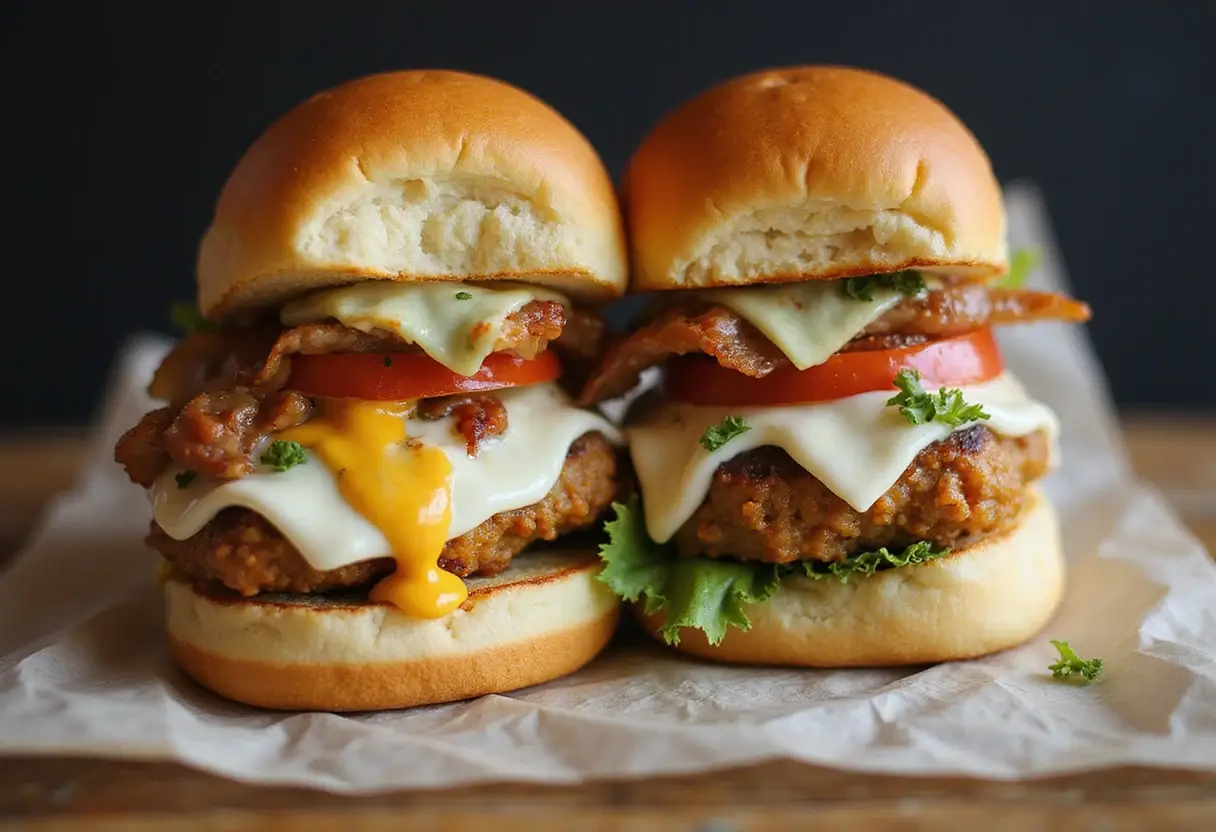
A recent TikTok showed prices for three popular menu items, including a double Western Bacon Cheeseburger combo at $16.74 and a triple at $18.49. The $1.75 spread reinforced the poster’s complaint that the food was overpriced slop.
The poster wrote: “Are you out of your freaking minds? I went there the other day and I thought it was a glitch in the matrix.” The same post called the burger one of the worst-tasting the poster had experienced and argued that Carl’s Jr. needed to deliver a better product at the higher price.
Other fans said coupons and deals had deteriorated over the previous couple of years. One compared Carl’s Jr. unfavorably with Jack in the Box and In-N-Out, while another said they had avoided the chain since the start of 2025. These remain anecdotal customer judgments, not a controlled taste test or an audited account of menu quality.
The California footprint contracts
The report does not specify whether those nearly 50 closures came from company-operated restaurants, franchised units or both. That distinction matters because the published account cannot establish whether wage pressure, franchisee economics or another factor drove each closure. It also includes no explanation from Carl’s Jr. about the pace of removals.
From hot dog cart to global chain
Carl’s Jr. began in 1941 as a hot dog cart at Florence and Central Avenues in South Central, founded by Carl N. Karcher and his wife, Margaret Heinz. It later became an Anaheim restaurant and grew into a Los Angeles-born chain once viewed in some California corners as nearly on par with In-N-Out.
Today, the chain has more than 3,000 locations worldwide: over 1,000 in the United States and 2,000 abroad. That puts roughly two-thirds of its footprint outside the domestic market.
The Western Bacon Cheeseburger, cinnamon rolls and hand-scooped ice cream shakes were once major draws. Those items anchor a menu that now competes on price against Jack in the Box and In-N-Out, according to fan commentary.
The margin test
Earlier this year, TastingTable named Carl’s Jr. among the most expensive burger chains in the United States. The placement gives the California price complaints a national benchmark.
The reported numbers point to a widening value gap. A sandwich at up to $6.00 and a five-piece tender combo at $19.17 leave customers facing noticeably larger checks, even when coupons reduce the final price.
For operators, higher menu prices can offset rising labor costs, but they work only if traffic holds and coupon discounts stay controlled. The report gives no check averages, food-cost or labor-cost percentages, or franchisee margin data, so it cannot show whether the increases preserved profitability.
What does this change for diners and operators?
For California diners, the immediate change is fewer Carl’s Jr. options and noticeably larger combo checks at the remaining stores, though customer reports do not establish the quality of every location. Coupons may soften the sticker price, but one fan’s observation that deals weakened suggests fewer savings at checkout.
For operators, the practical pressure is preserving traffic and margin while labor costs rise. Making combo value clearer and more predictable now matters more than simply passing every cost increase into the sticker price. The chain’s next results will show whether it can stabilize combo pricing, improve perceived value and reverse California closures without retreating from its broader 3,000-store footprint.
More from Olivia Hart
Show full bio
Staff writer covering regulation, policy and their impact on Restaurant and hotel operations at The Pass Brief.
595 articles