McDonald's sued over alleged $18 Big Mac meal recommendation
McDonald's faces a lawsuit over an alleged $18 Big Mac meal recommendation, with franchisees claiming corporate pricing pressure. The case targets menu guidance as operators navigate rising food and labor costs.
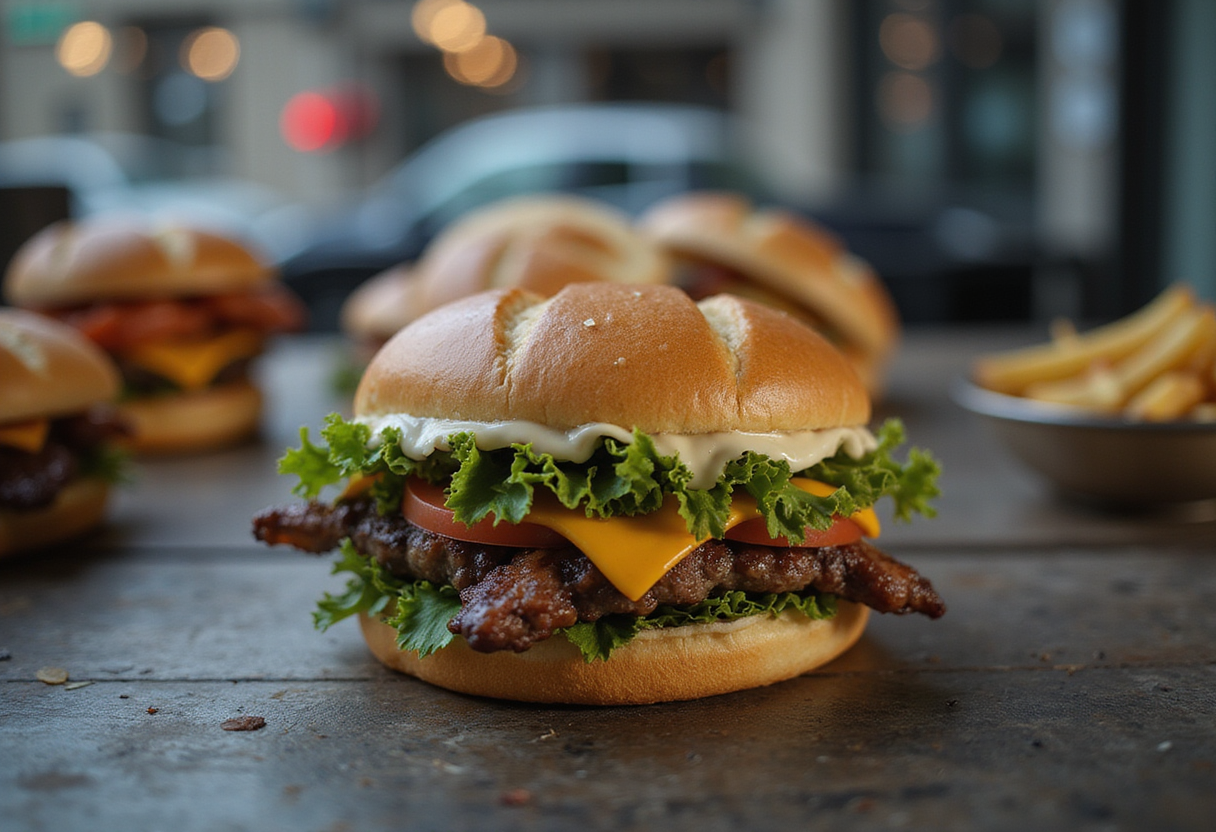
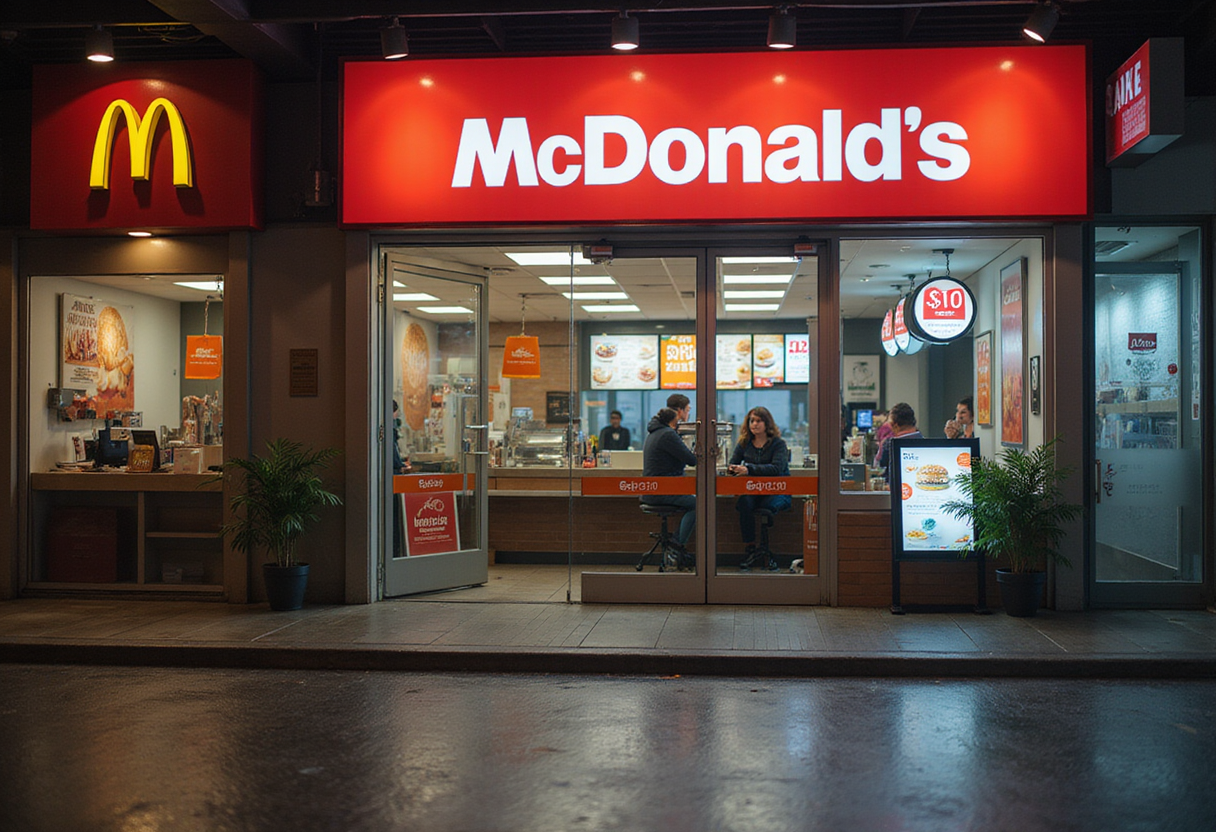
An $18 price tag attached to a recommended Big Mac combo meal sits at the center of a new lawsuit against McDonald's, with franchise operators alleging the company is pressuring them to adopt corporate-set menu pricing.
The complaint, reported by The Times of India, targets what plaintiffs describe as a pricing recommendation for McDonald's flagship sandwich-and-fries combination. Franchisees say the company has used the recommendation as a benchmark against operators who try to set their own menu prices, according to the report.
What does the $18 figure represent?
A Big Mac meal priced at $18 would run well above the combo averages that customers currently pay at most U.S. McDonald's locations, where a comparable sandwich-medium-fries-drink bundle typically clears the register between $9 and $11 depending on market. The reported recommended price would push the chain's flagship combo 60 to 100 percent above prevailing regional averages.
Pricing of this magnitude would reshape operator-level economics across the system. Food and paper run 28 to 32 percent of sales at typical McDonald's franchised restaurants, while labor runs 25 to 27 percent. Every dollar added to the combo check, however, does not flow to franchisee margin in equal measure; royalty and advertising contributions to McDonald's Corp. are calculated as a percentage of sales, meaning the franchisor captures a share of any price increase.
Why franchisee pressure matters at this scale
The dispute lands inside a system where franchised ownership dominates. McDonald's operates roughly 95 percent of its U.S. restaurants through franchisees, with the remainder run as company-operated units. Pricing guidance issued by Oak Brook affects more than 13,000 domestic storefronts and tens of thousands more internationally.
That structural dependence gives corporate recommendations outsized weight. Franchisees who deviate from suggested pricing risk unfavorable comparisons in operational reviews, marketing co-op contributions, and renewal terms.
The lawsuit arrives as QSR operators broadly confront higher beef, chicken, and labor inputs. Wage floors have risen in several states where McDonald's runs large fleets, and suppliers have passed through packaging and freight increases over the past two years. Franchisee groups have pressed the company for relief on royalty structures and equipment commitments during the same window.
What to watch next
The case will test whether a corporate pricing recommendation can serve as the basis for operator liability or contractual pressure claims. Plaintiffs will need to establish that the $18 figure functioned as more than an internal benchmark. McDonald's, meanwhile, will likely argue that suggested pricing falls within its rights as franchisor.
A court ruling that treats the recommendation as enforceable guidance could prompt other large franchise systems to revisit how they communicate menu pricing to operators. A ruling for McDonald's would leave franchisee associations to pursue cost relief through the existing National Advertising Fund and supply-chain channels rather than the courts.
Either outcome will draw close attention from operators at Burger King, Taco Bell, and Subway, all of which run comparable franchise-heavy pricing models and have faced their own operator disputes over the past 18 months.
More from Daniel Okafor
Show full bio
Correspondent covering companies, deals and strategy in Restaurant and hotel operations at The Pass Brief.
249 articles