Longevity's $6.8 Trillion Pull: How Hotels Earn the Word
Wellness hits $6.8T, yet 'longevity' still sells more than it delivers in hotels. A five-decision roadmap on medical models, governance and space economics.

The global wellness economy hit $6.8 trillion in 2024 and the Global Wellness Institute expects it to approach $9.8 trillion by 2029 — yet the word "longevity" still does more work in hotel marketing than in hotel operations. A spa can bolt on a cryotherapy chamber, a red-light panel and an IV menu tomorrow and call itself a longevity destination. Guests have almost no way to distinguish it from a property that employs physicians, runs diagnostics and follows guests for years.
That gap is where the value will concentrate. Longevity services sit where the wellness, medical and biotech economies overlap, and their worth is not yet quantifiable. Demand is real, the market hasn't been measured, and any precise longevity-market figure deserves suspicion.
A new strategic roadmap for owners, developers and operators organizes the work into five decisions — medical models, clinical governance, space economics, disciplined vocabulary and measurement — in the order they must be made.
Why ultra luxury and clinical medicine pull apart
Ultra luxury runs on discretion, effortlessness, a guest who never sees the machinery. Clinical longevity runs on measurement, protocols, informed consent and a paper trail. Combine them without a design philosophy and you get the worst of both: a clinic that apologizes for being a clinic, or a resort that can't answer a physician's questions.
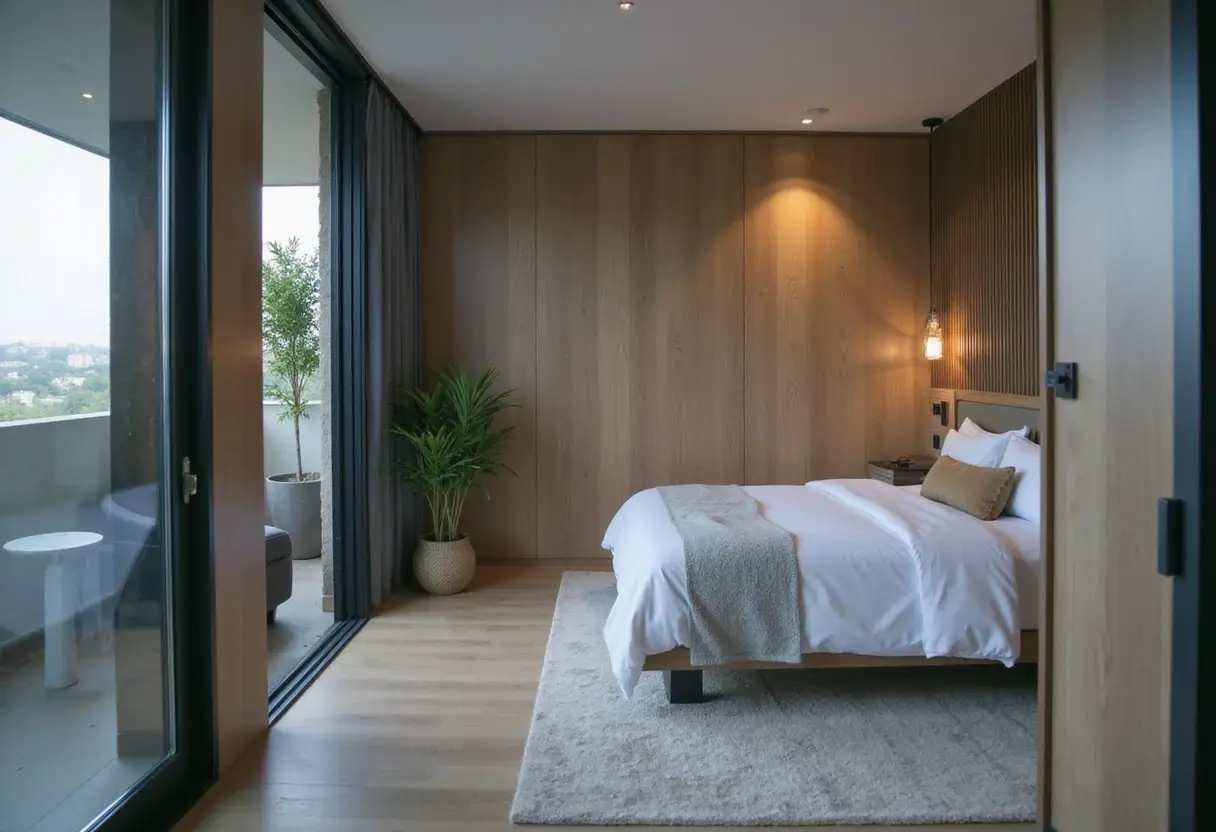
Brands that solve this treat it as experience design, not a facilities problem. Clinical work happens in rooms that read as residential. Data arrives as a conversation, not a printout. The physician behaves like household staff rather than a visitor from the hospital.
Who delivers the medicine?
Three honest answers exist: build it yourself, license a medical brand, or host an independent operator. Six Senses built its own in Ibiza — RoseBar opened in mid-2023, with six-day programs starting at $5,600. Control is the advantage; recruiting, governing and insuring a medical operation inside a hospitality company is the cost.
Licensing buys speed and credibility. One&Only One Za'abeel in Dubai hosts a Longevity Hub by Clinique La Prairie across three floors with 29 treatment rooms. The trade-off: the headline belongs to the clinic. Clinique La Prairie has agreed a second hub with Kerzner at One&Only Hudson Valley, due 2028, and its CEO wants 50 locations. A credential many hotels share differentiates none of them for long.
Six Senses London opened a HUM2N-run clinic in June, serving hotel guests, social wellness club members and London residents. Mayrlife launched its first hotel day clinic at Rosewood Vienna — the hotel supplies setting and guest, the operator supplies care, and a clinic also serving local patients stands on a broader base than one depending on passing trade.
What can you honestly promise?
Biological age testing is the clearest risk. Industry guidance notes these tests aren't FDA-regulated as diagnostic devices in the US and sit closer to consumer informatics, with clinical opinion divided on their value.
Singapore's Ministry of Health has stated that outpatient providers offering longevity services must be licensed under its Healthcare Services Act, practitioners must provide only evidence-based treatments, and non-standard treatments belong in clinical studies. A hospitality insurance broker told Hotel Business that resorts offering professional-type services will likely need additional cover, sometimes including medical malpractice — a prompt to call your broker, not settled law.
At the World Travel & Tourism Council's Global Summit in Malta, Raffaella Di Sipio of Terme & SPA Italia rejected the idea that every hotel must become a clinic and warned against applying the longevity label to programs without credible foundation. Panelist Tim Gray of Health Optimisation argued better sleep environments could set brands apart. A hotel keeping "longevity" for what it can clinically stand behind will outlast those spending the word freely.
What must the space earn?
Published prices show how far the category sits above a standard spa stay:
- Champneys Longevity Retreat — 4 nights, £1,600 per person
- RoseBar, Six Senses Ibiza — 6 days, $5,600
- SHA Advanced Longevity — 7 nights, €7,750-level tier at €7,500
- Chi Longevity, Four Seasons Singapore flagship — $14,000
- Clinique La Prairie Revitalisation, 7 days/6 nights — CHF 29,200
Construction benchmarks tell the cost story. US guides put clinic construction at $450–$1,020 per square foot, overlapping the $677–$871 range consultancies report for five-star hotel work. A clinical area costs roughly what your best rooms cost and earns nothing from a room night. One&Only's Dubai hub spans 3,800 square meters — about 41,000 square feet — and Singapore operator MORROW plans US$156 million over five years, starting with a 38,000-square-foot flagship.
One analyst notes longevity programs stack revenue through longer stays and higher daily spend. Plausible, worth testing — but no reliable public benchmark exists for hotel-operator revenue splits or payback periods. Model each deal, and demand the assumptions behind any operator's proposal.
What happens after checkout?
The lasting business is the relationship. RoseBar sells an annual membership with regular diagnostics. Clinique La Prairie positions Dubai as an extension of Montreux, where guests return for follow-ups; annual membership there was reported in 2024 at up to AED 90,000 — about $24,500. Six Senses London and HUM2N describe continuous oversight, not one-off experiences. Continuity also answers the credibility problem: one measurement tells a guest little, a series over months shows whether anything changed.
Di Sipio described a care manager accompanying guests from planning through post-departure follow-up — familiar to anyone who has run a butler program, and the piece a medical brand dropped into a hotel doesn't supply itself.
What will you measure?
A brand selling measurement must accept being measured. Three layers matter: clinical integrity (documented governance, adverse-event review, marketing claims physicians would repeat), guest trajectory (repeat measurements, reported plainly), and commercial metrics investors will examine hardest — membership conversion, repeat visits, ancillary spend, revenue per square foot versus the same space as guest rooms.
Expect lenders to ask who holds the medical license and malpractice cover, who owns the health data if the operator leaves, and how exposed the property is if regulators demand a license the team doesn't hold. Brands answering in writing will raise capital more easily than brands leading with a trend slide.
Owners should audit honestly what they deliver today; if not clinical, better sleep environments, trained staff and disciplined language cost far less than a clinic. Developers should plan clinical floors as separable — own access, licensing path, management terms. Operators should build the care manager role and membership before the marketing. The word longevity is easy to buy and hard to earn; the properties that show their work will be the ones that keep it.
More from Daniel Okafor
Show full bio
Correspondent covering companies, deals and strategy in Restaurant and hotel operations at The Pass Brief.
575 articles