Latino Cooks Make Up 80% of California's Korean Kitchen Staffs
About 80% of cooks in California's Korean restaurants are Latino, The Korea Daily reports — a labor structure that shapes how K-food operators scale, train and build menus.
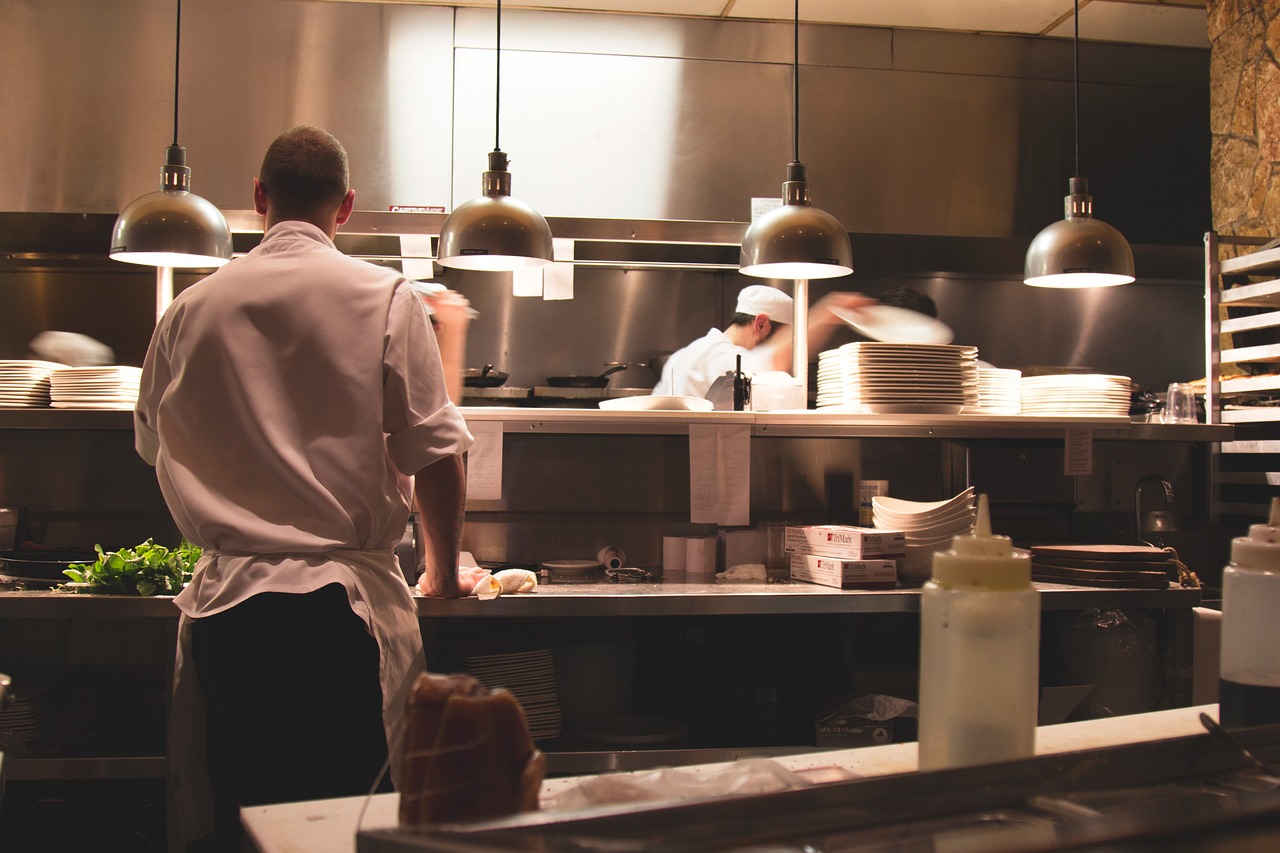
Roughly 80% of cooks working in Korean restaurants across California are Latino, according to a report from The Korea Daily. That figure is the clearest measure yet of how deeply Korean food's growth in the state depends on immigrant labor from outside the Korean community.
The number matters because it reframes the standard story about Korean cuisine's American expansion. The boom in Korean barbecue joints, tofu houses and K-food concepts is usually told through the lens of culture and menus. This report puts the economics of the kitchen front and center.
Who is actually cooking K-food in California?
Latino cooks, mostly. The Korea Daily's reporting found that four out of five kitchen positions in the state's Korean restaurants are filled by Latino workers. That's a workforce reality familiar from other immigrant-founded cuisines in the U.S. — Japanese sushi kitchens long ran on Latino line cooks, and the same pattern now underpins Korean operations.
What does this change for operators? Potentially a lot. If the majority of your kitchen staff doesn't share the cuisine's native culinary background, then training systems, recipe documentation and consistency controls become the real drivers of quality. Chains that codify their prep — standardized banchan lines, measured marinades, portioned proteins — can scale with this labor pool. Independent operators who rely on tacit, family-transmitted knowledge face a steeper climb.
Why the labor math matters for expansion
A workforce at this concentration also creates concentration risk. Labor shortages, immigration enforcement or wage pressure in Latino-heavy kitchen roles wouldn't pinch Korean restaurants at the margins — they'd hit the core of the operation. For a segment that has been expanding aggressively on both coasts, staffing stability is now a strategic question, not a back-office one.
The trend also points to sourcing and menu-engineering implications. Menus built around dishes that tolerate standardized prep — grilled meats, hot-pot formats, pre-portioned sides — travel well across a mixed-language, mixed-background kitchen. Highly technique-dependent dishes demand either more training investment or a smaller menu.
The Korea Daily's figure gives the industry a baseline to watch. If that 80% holds as Korean concepts keep multiplying, expect operators to invest more in structured culinary training and bilingual kitchen management — and to treat labor pipeline development as seriously as menu development.
More from Olivia Hart
Show full bio
Staff writer covering regulation, policy and their impact on Restaurant and hotel operations at The Pass Brief.
465 articles