Korea's 50-and-Over Diners Reshape Western-Chain Economics
Rimini's 40-plus customers drove over 90% of September membership payments; Outback's 60-plus loyalty signups grew 32.7% as Korean active seniors reshape casual dining.
Customers in their 40s and older accounted for more than 90% of membership-club payments at Italian dining brand Rimini in September — a figure that is forcing Korean casual-dining operators to reprice their notion of who pays the check.
Rimini, operated by E-Land Eats, renewed its Gangnam flagship in July and saw monthly sales at that unit roughly double in August compared with typical performance. Across the chain, store sales from January through August rose more than 15% year over year.
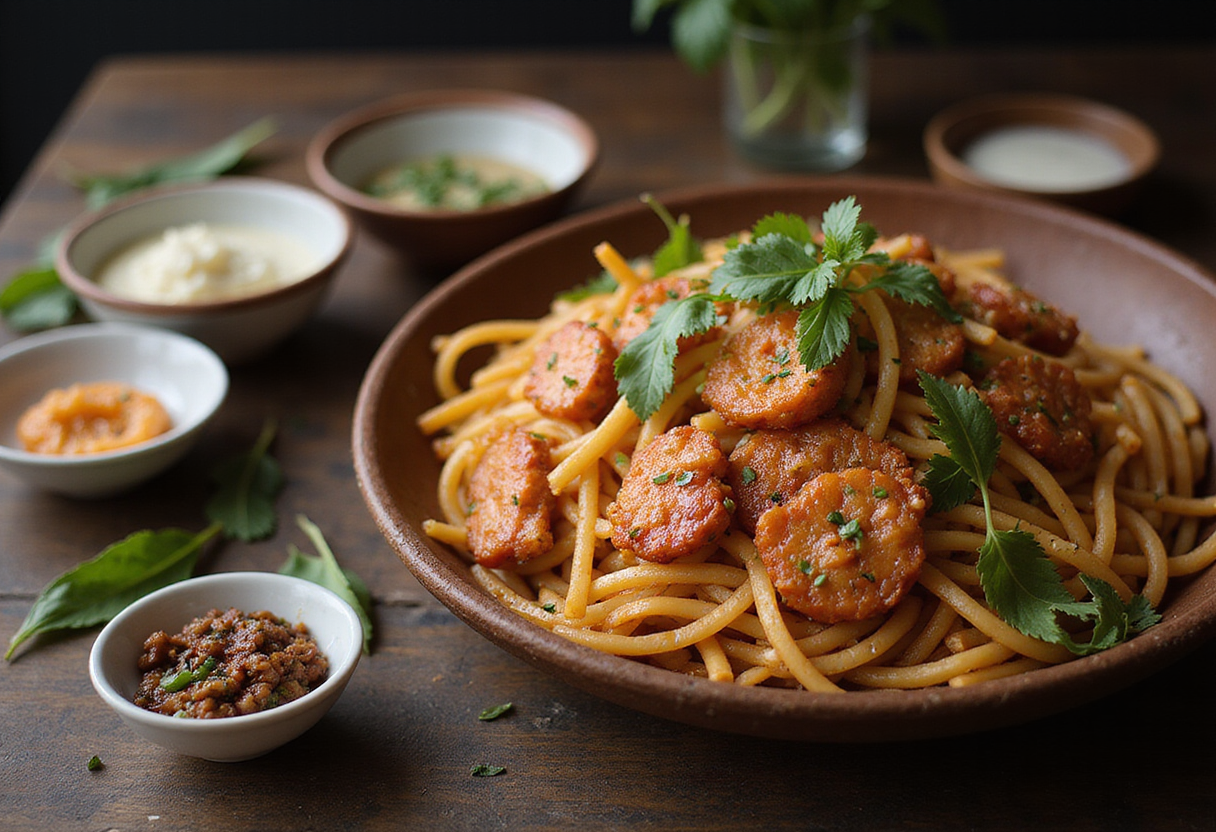
The renewal did not simply add menu items. Rimini introduced raw-noodle pasta dishes such as Truffle Fresh Noodles, built an Italian tasting showroom visible from outside the store displaying raw pasta, basil pesto and arancini, and added a live showcase of Italian ingredients plus trolley service in which staff explain dishes and ingredients at the table.
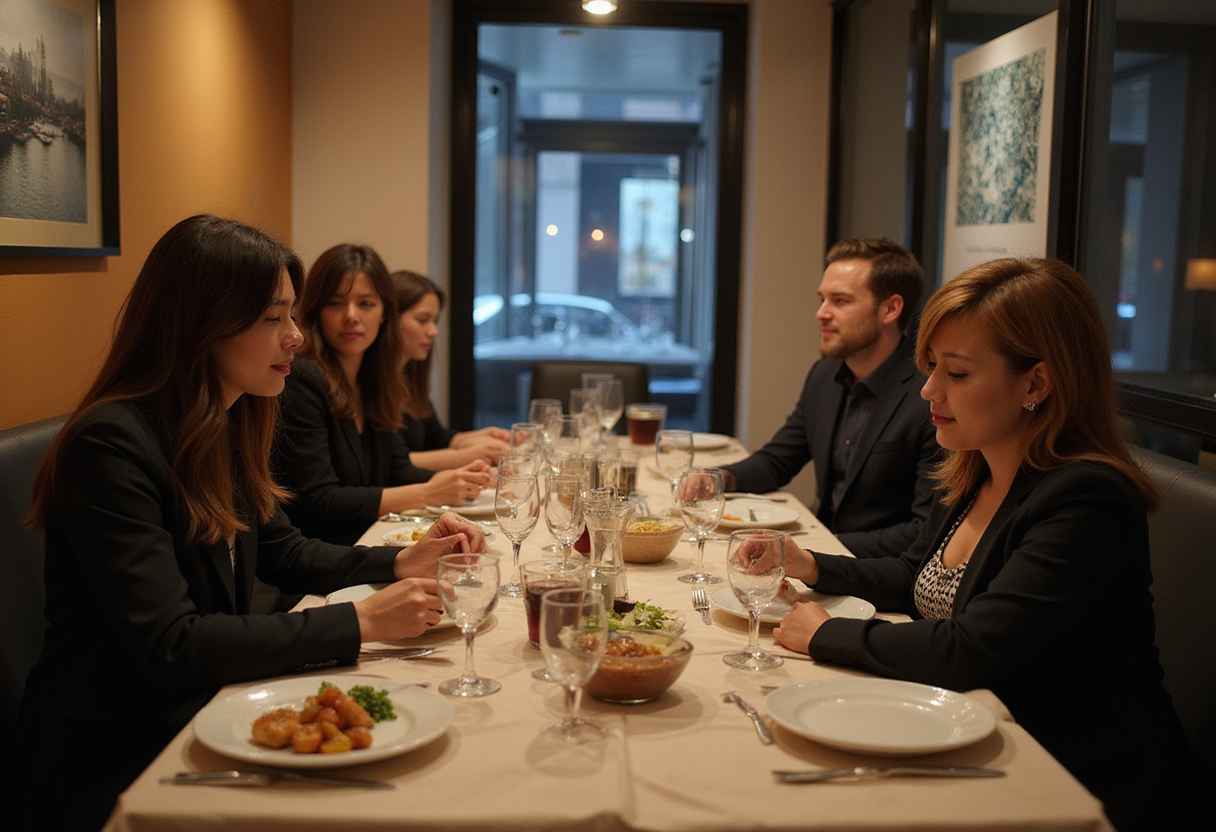
"We have noted the increasing trend of female customers in their 30s and 60s visiting stores for lunch or friend gatherings in recent years," Rimini said, adding that the Gangnam renewal deliberately strengthened factors that let customers "experience food and services directly, not just increase menus."
"The number of customers visiting for meetings with friends during the day and to enjoy eating out with their daughters or families in the evening has increased significantly," a Rimini official said. "The luxurious atmosphere and reliable quality are acting as satisfaction factors for senior customers."
The numbers at Outback Steakhouse, operated by Dining Brands Group, point the same direction. Roughly 146,000 new Boomerang loyalty members signed up between January 2024 and June 15 of this year. New-member growth among customers in their 60s ran 32.7% year over year, and 29.5% among those in their 50s — the highest rates of any age cohort.
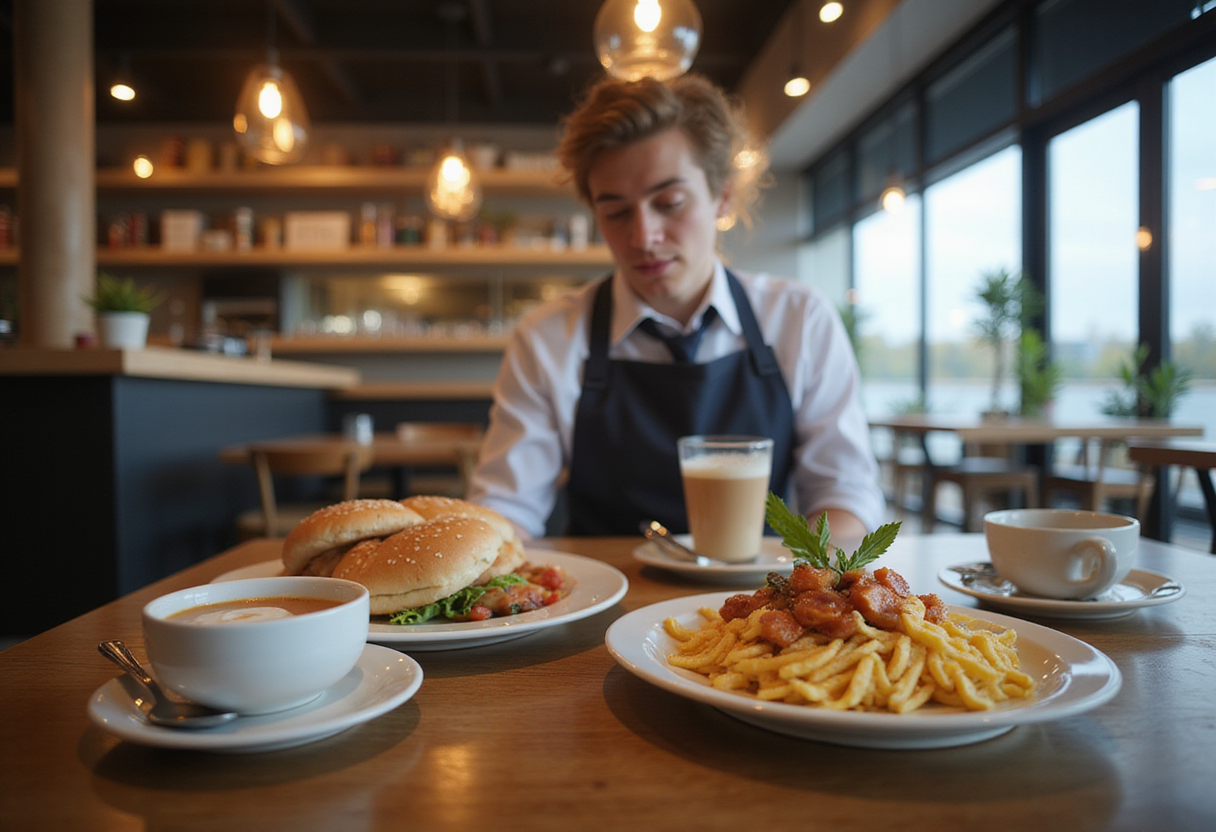
Timing matters as much as headcount. About 25% of 50-plus Outback customers visited on weekday lunch, a daypart the industry long treated as office-worker territory.
"In the past, weekday lunch was a key demand time for office workers in the restaurant industry, but middle-aged people who have recently retired or are relatively free to use their time are emerging as a new demand group as they increase their daytime eating out on weekdays for meetings with friends and acquaintances," an industry official said.
Industry analysts also point to brand memory. Consumers who were in their 20s and 30s during the 1990s and 2000s — when Western casual dining boomed in Korea — are now in their 50s and 60s and are returning to steakhouses and pasta chains they knew then. Analysts frame this as "regression consumption": revisiting brands experienced in youth rather than seeking new ones.
The structural driver is demographic and economic. Today's 50-plus cohort differs from earlier generations at the same age. So-called active seniors, with discretionary income and willingness to spend on their preferences, weigh space quality, service and food quality together rather than prioritizing price, portion and accessibility.
Western-style dining fits that demand profile for operational reasons. Pasta, steak and pizza present low menu barriers and make group ordering easy for families and friends. Compared with Korean restaurants, the formats also support longer stays, through table spacing, store atmosphere and table service — which matters when the meal doubles as a social gathering.
Operators are already building for it. Vibs is installing private rooms in new stores to capture midlife group demand; its Magok One Grove location operates single rooms accommodating 6 to 26 people.
The strategic shift is explicit. "In the past, major customers of pasta and steak restaurants were set as young consumers in their 20s and 30s, and focus was on developing interior design or new menus that are good for taking pictures, but now the strategy is expanding in the direction of improving the quality of space and service so that it can cover up to 50-plus," an industry official said.
For chains like Rimini and Outback, the demographic arithmetic suggests the weekday-lunch daypart and private-dining capacity will keep gaining weight in unit-level P&Ls as Korea's active-senior population grows.
More from Daniel Okafor
Show full bio
Correspondent covering consumer brands and retail at The Pass Brief.
89 articles