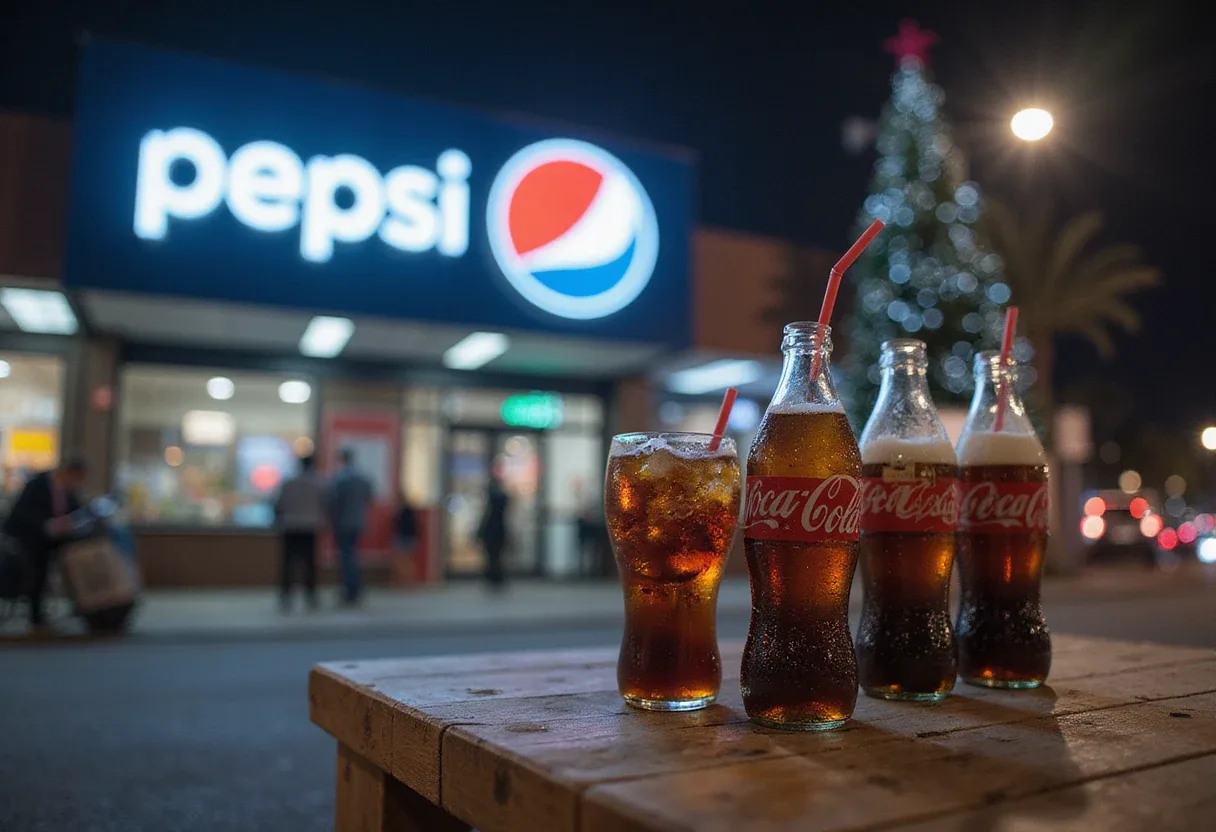
KFC Goes Coke, Taco Bell Pushes Drinks, Domino's Stumbles
KFC is switching to Coca-Cola, Taco Bell is pushing beverage innovation, and Domino's has stumbled — three storylines with one common thread: the hunt for margin.
KFC is switching to Coca-Cola, Taco Bell is pouring resources into beverage innovation, and Domino's — the one of the three that looked unshakeable for years — has faltered. Three developments, one parent company's worth of storylines, and a reminder that beverage programs have quietly become one of the sharpest levers in quick-service unit economics.
The hardest fact of the three sits in the middle of the headline: a chain of KFC's scale doesn't change fountain suppliers casually. Pouring rights at a fried-chicken giant of that size are negotiated years in advance, tied to marketing funding, equipment contracts and syrup logistics across thousands of U.S. counters. When an operator flips a pour from one beverage giant to another, the money at stake runs through every single cup sold.
That matters because beverages are the highest-margin items on a QSR menu board. Food costs swing with chicken and commodity markets, but a fountain drink costs a store pennies per cup and sells for dollars. That spread is why pour contracts, and the marketing subsidies that ride with them, get fought over so hard.
What does the switch change for KFC operators?
For franchisees, the immediate questions are operational rather than culinary: new syrup systems or equipment at the counter, retraining on the drive-thru board, and new combo-meal pricing architecture if the beverage partner's promotional calendar differs. These transitions are typically phased market by market rather than flipped overnight, since each restaurant's fountain equipment and supply chain have to be re-sequenced before the first cup pours.
The branding side shifts too. Beverage partners typically co-fund advertising, and a new partner means new creative, new cup designs and new bundle promotions. Franchisees will be watching whether the change comes with sharper value-tier deals — the price lever that's been driving QSR traffic all year.
Taco Bell bets on the beverage menu
While KFC swaps suppliers, its sister brand under the same ownership is innovating within the category itself. Taco Bell ramping up beverage innovation signals something specific: the chain sees drinks not as an attachment item but as a traffic and margin driver in their own right.
That's a menu-engineering play, not a flavor story. Limited-time beverage offerings give operators a low-food-cost platform for constant newness — new launches drive app engagement and add-on rings without touching the core kitchen or labor line. A drink special doesn't require new prep stations or retrained cooks; it requires syrup, cups and a button on the POS. For a chain fighting to grow check averages in a value-obsessed market, that's about the cheapest innovation available.
And Domino's?
The third headline item is the sting in the set. Domino's faltering stands out precisely because the pizza chain spent the last decade as the industry's digital and delivery exemplar — the operator rivals studied when they rebuilt their own app ordering and loyalty programs. Stumbles at a chain that strong suggest the pressure is external and structural: delivery aggregation, promotional intensity across the category, and consumers trading down.
For franchisees, a faltering sales line at a heavily franchised system translates directly into pressure on unit-level economics — same rent, same labor, thinner comps.
The common thread
Read together, the three stories describe an industry hunting margin wherever it can find it. KFC is renegotiating the economics of its biggest high-margin category at the supplier level. Taco Bell is engineering that category for repeat novelty. Domino's is discovering that even best-in-class digital can't fully offset a soft demand environment.
Expect beverage programs — from pour contracts to frozen drinks to energy partnerships — to keep pulling operator attention through the coming quarters, because when traffic is scarce, the cup is where the margin still lives.
More from Daniel Okafor
Show full bio
Correspondent covering companies, deals and strategy in Restaurant and hotel operations at The Pass Brief.
508 articles