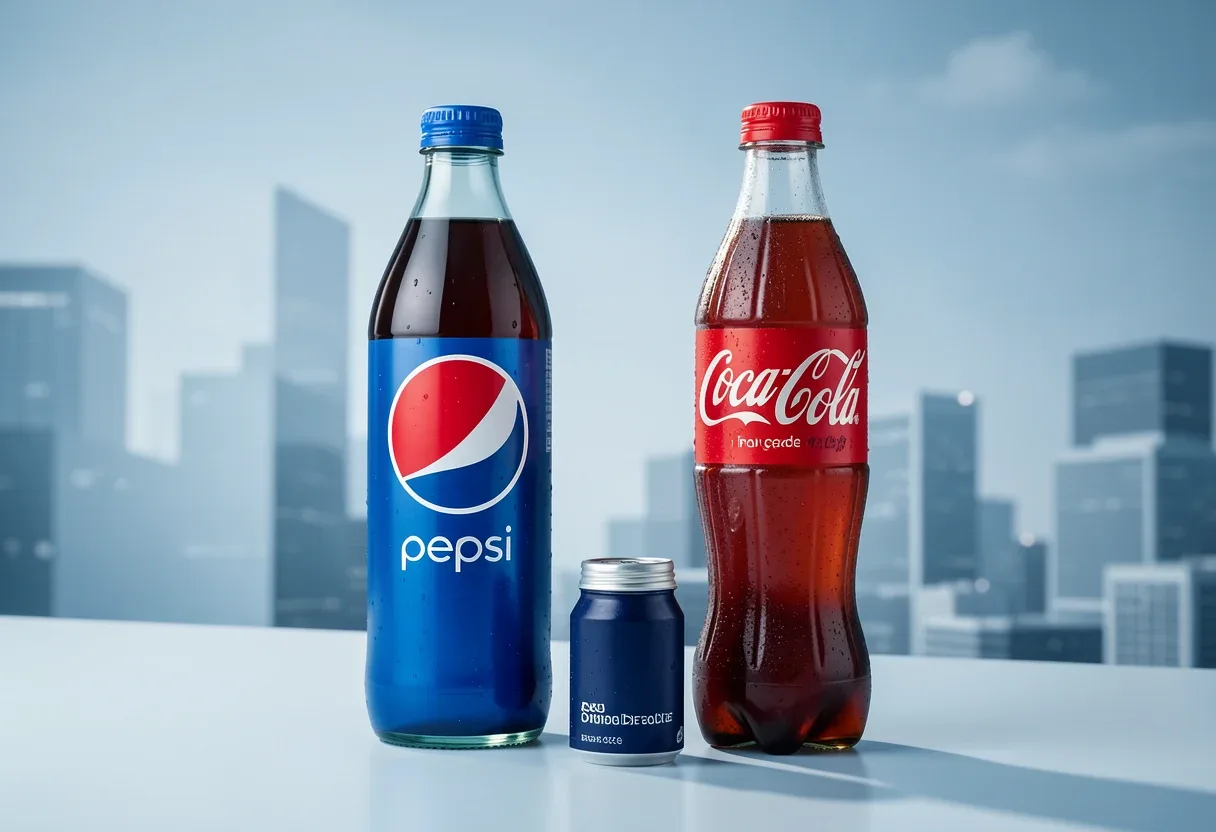
KFC's Fountains Shift to Coke, Ending Decades of Pepsi Exclusivity
Coca-Cola has displaced PepsiCo as KFC's fountain supplier in the U.S., loosening a restaurant-beverage partnership that dated back to the chain's earliest days.

Coca-Cola has broken one of the longest-standing lockups in the restaurant beverage business: PepsiCo's grip on KFC's soda fountains, as reported by The Wall Street Journal under the headline "How Coke Loosened Pepsi's Grip on KFC's Soda Fountains."
The shift ends a supplier relationship rooted in shared corporate history. KFC, now owned by Yum Brands, spent decades as a Pepsi fountain account, a legacy of the period when the chicken chain and the soda company operated under common ownership. Fountain exclusivity of that duration is rare in the industry, and losing it removes a marquee name from PepsiCo's foodservice roster while adding one to Coca-Cola's.
Why fountain accounts matter to operators
For restaurant chains, the beverage supplier decision is an economics decision before it is a brand decision. Fountain syrup is among the cheapest goods a restaurant buys relative to what it sells for, and beverage pours routinely rank among the highest-margin items on a quick-service menu. When a chain the size of KFC changes suppliers, the change touches:
- Syrup pricing and equipment financing terms across company-operated and franchised stores
- Marketing and promotional funding the beverage company contributes
- Packaging, cup branding and fountain equipment replacement cycles
The supplier, not the operator, typically pays for the fountain equipment and services it — which means a chain-wide switch sets off a physical retrofit program, not just a contract change.
What does this change for franchisees?
For KFC franchise operators, the practical question is transition cost and timing. A changeover of this kind involves new dispensers, new syrup logistics, crew retraining and rebranded cups and signage. Who absorbs those costs — the franchisor, the beverage company or the franchisee — is set in the supply agreements, and those terms have not been disclosed in the reporting now public.
For PepsiCo, the loss is symbolic as much as financial. Foodservice fountain volume is a stable, high-frequency channel, and KFC had been one of its most visible legacy placements. For Coca-Cola, the win extends a fountain portfolio that already spans most of the largest U.S. burger and sandwich chains, deepening its presence in chicken.
The Wall Street Journal's account, summarized here, details the negotiating path that produced the switch. Readers wanting the full reporting, including the executives involved and the deal timeline, can consult the original article.
What is certain is the direction: a decades-old fountain alliance has ended, and both beverage giants now have one more data point in the ongoing competition for restaurant counter space.
More from Elena Vasquez
Show full bio
News editor covering people, launches and day-to-day practice in Restaurant and hotel operations at The Pass Brief.
490 articles