Jollibee Bets on Differentiation, Not Imitation, in U.S. Push
Jollibee is expanding in the U.S. by doubling down on its Filipino menu identity — Chickenjoy, sweet spaghetti — rather than copying incumbent QSR playbooks.
Jollibee is taking a contrarian approach to its U.S. expansion. Instead of reshaping its menu and format to resemble incumbent American quick-service chains, the company is leaning into what already distinguishes it — a positioning executives believe gives the brand a durable edge as it scales across the country.
The strategy runs against a long-standing playbook among international operators entering the U.S. market, where the conventional wisdom has been to adapt to local tastes, mimic category leaders on menu architecture, and compete on the same promotional cadence as domestic giants. Jollibee's leadership has concluded that imitation is a losing proposition in a market saturated with burger and chicken concepts, and that the brand's Filipino heritage is an asset rather than a barrier.
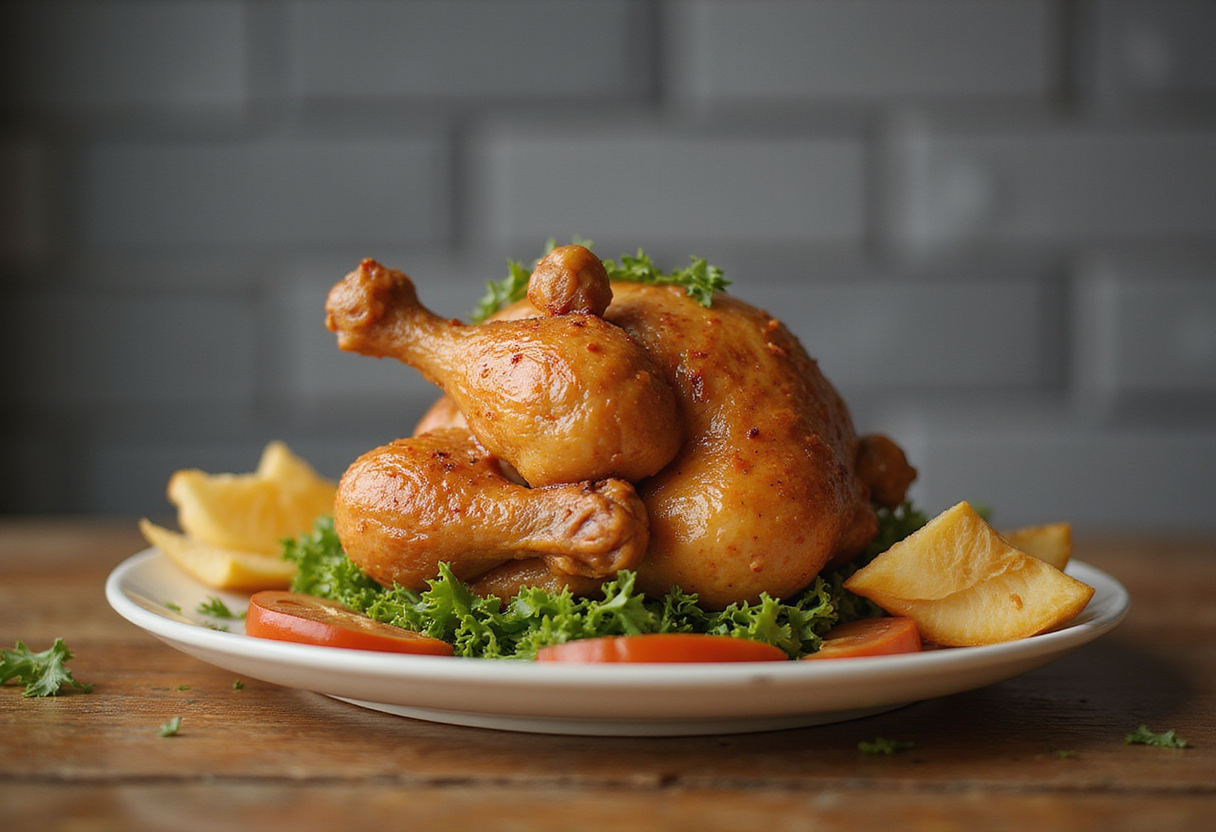
That heritage shows up on the plate. Jollibee's signature items — Chickenjoy fried chicken, sweet-style spaghetti, and peach mango pie — do not map neatly onto the menus of McDonald's, KFC, or Chick-fil-A. The sweet spaghetti in particular is a point of departure from American QSR norms, and the company treats such items as brand signatures rather than quirks to be sanded down for local palates.
The differentiation argument carries operator-level weight. A chain that competes head-to-head with established players on price and promotion faces relentless discounting pressure and thin transaction margins. A chain offering items no domestic competitor replicates gains pricing power on its signature products and a clearer reason for customers to choose it — which supports menu engineering around high-margin, proprietary items rather than me-too value bundles.
The U.S. push also reflects the economics of a global operator diversifying beyond its home base. Philippines-based Jollibee Foods Corporation has pursued international growth for years, and the United States — with its large Filipino diaspora and broad mainstream appetite for fried chicken — represents its most significant expansion market. The company's rollout pairs high-visibility urban locations with steady suburban growth, building density in markets where awareness is already strong while using flagship stores to introduce the brand to mainstream audiences.
Word of mouth has done measurable work here. The brand has cultivated a following among Filipino-American communities first, then converted that base into broader trial — a sequence that lowers customer acquisition costs relative to a cold-start launch and gives new units an opening-day traffic cushion.
The challenge ahead is scale without dilution. As Jollibee opens more units further from its diaspora strongholds, it must keep menu identity intact while meeting U.S. speed, consistency and supply-chain expectations. Its answer, so far, is to resist the urge to blend in: the company appears willing to remain a distinct alternative rather than another chicken contender fighting for the same promotional dollars.
If the differentiation thesis holds, Jollibee's U.S. footprint will grow on the strength of products competitors cannot copy — and that, rather than promotional parity, is the moat executives are counting on as expansion continues.
More from Marcus Bennett
Show full bio
Market editor covering media and advertising at The Pass Brief.
89 articles