Inverlonan opens 12-room off-grid hotel on Loch Nell at £390 a night
A 12-room off-grid hotel has opened in a converted Victorian farm on Loch Nell near Oban, with doubles from £390 and a 24-seat restaurant run by ex–River Café chef Tim Kensett.
Inverlonan, a 12-room hotel spread across four converted farm buildings on Loch Nell near Oban, has opened with double rooms from £390 a night. The project revives a Victorian farm and byre on an estate the Moll family has run since the 1890s, and it carries a food operation with a recognizable name attached: chef Tim Kensett, formerly of London's River Café.
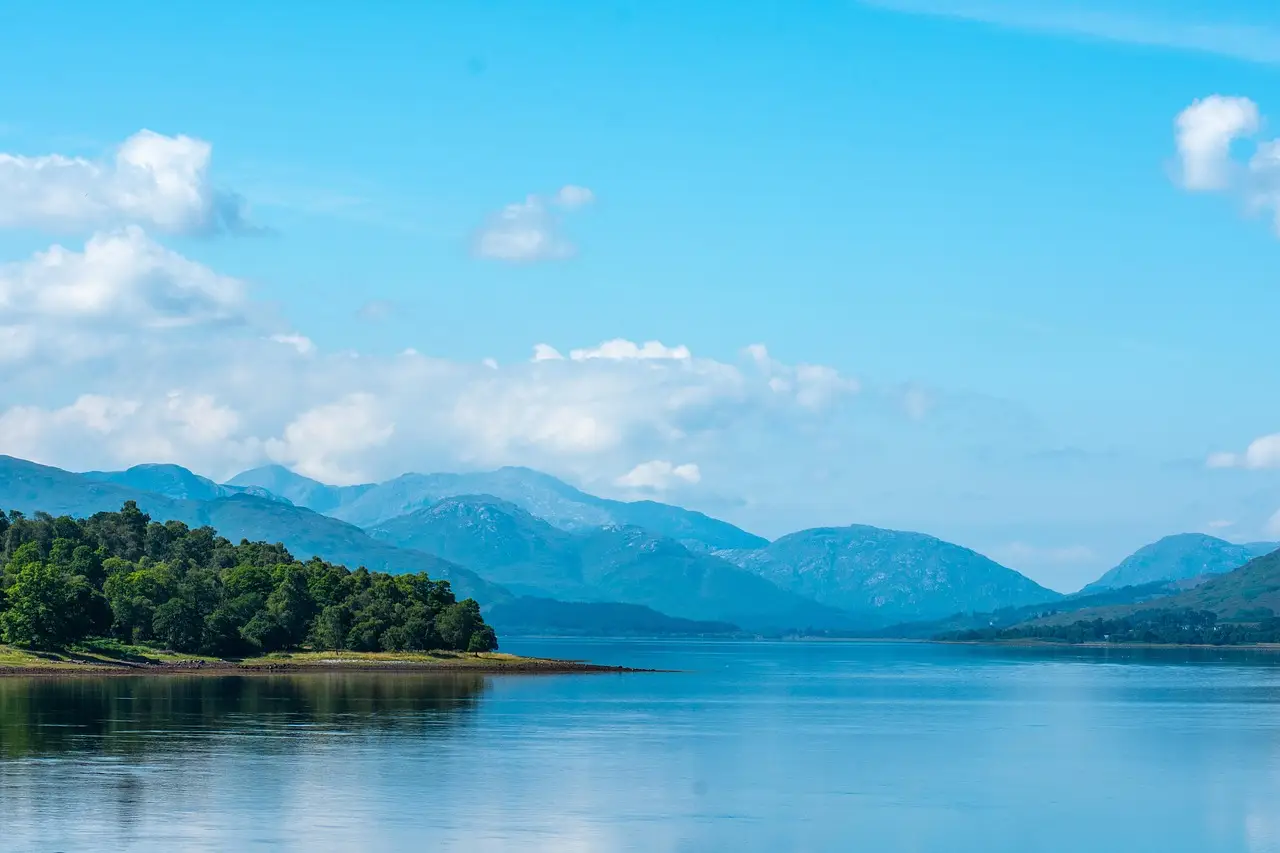
The owner and designer, Lupi Moll, cites Frank Lloyd Wright's dictum that a building should appear "of the hill, not on the hill." The claim is ambitious. The site sits below Ben Cruachan, beside Bronze Age standing stones that mark the old Road of the Kings, the route by which Scotland's ancient kings were once carried to burial on Iona. Building invisibly into that landscape is a high bar. The design leans heavily on local material to close the gap.
What does the £390 buy?
The short answer: compressed-clay walls, geothermal heat and a private water supply. Five rooms use the stone spine of the former byre, with new walls built from compressed clay in pink and rose layers. Bathrooms are limecrete wetrooms, a breathable lime-based construction rather than conventional tanked plasterboard. Geothermal pumps heat the buildings, and a site borehole supplies water from the hill.
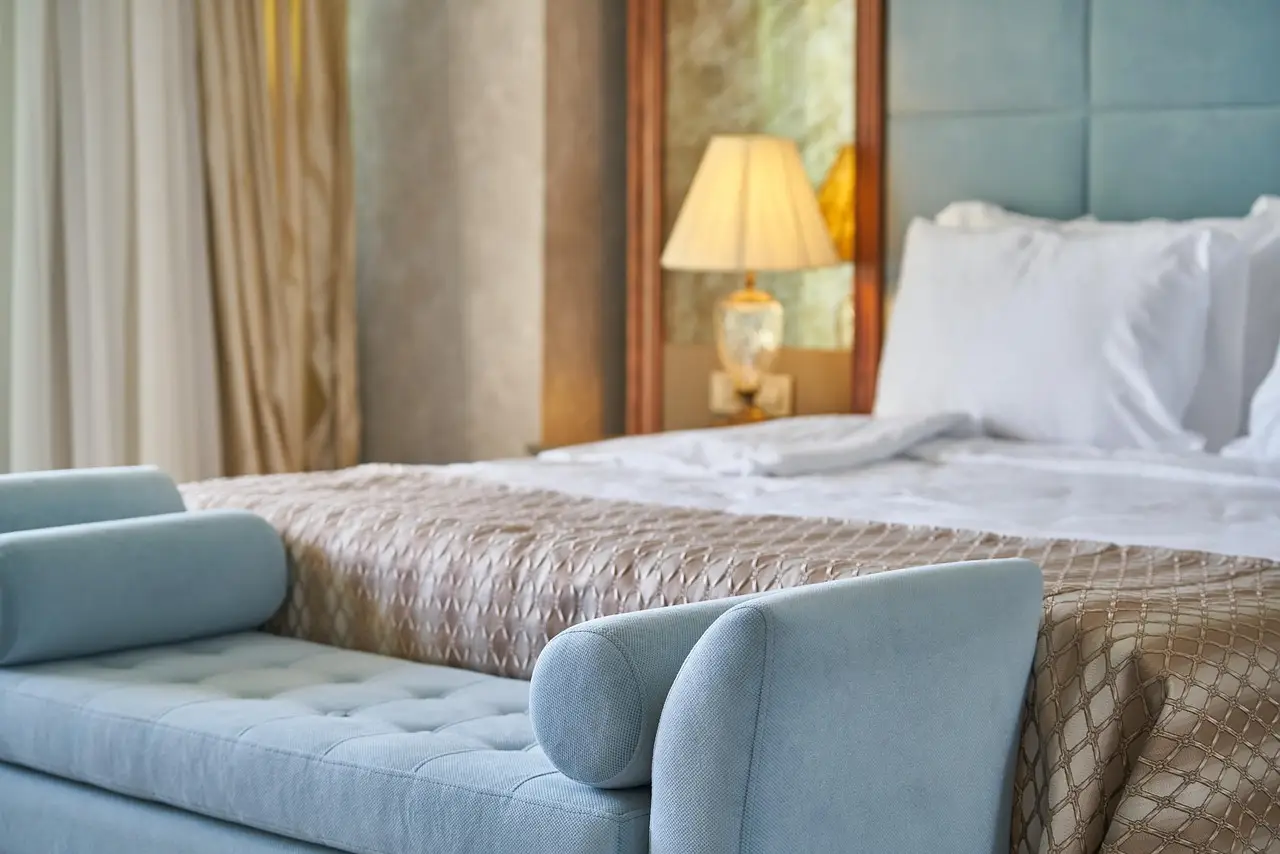
Two farmhouse bedrooms contain mezzanine sleeping spaces reached by wooden ladder. Rugs are woven on the Isle of Mull from wool off the estate's own Shetland and Hebridean sheep. The interiors mix bold Italian paintings with work by 1970s Scottish artists such as John Bellany, marquetry from the Welsh-Mexican studio Woodpop, custom crimson wallpaper by Cumbria's Paper Foundation, and handmade cotton-velvet Schplendid sofas. That inventory reads more like a collector's house than a rural hotel. It also reads like a replacement cycle the operator will have to fund at artisan prices.
What is the food operation?
The restaurant seats 24. It occupies a former barn, furnished with a bespoke burr oak communal table. Kensett cooks over a beach wood fire, which constrains throughput and menu format in ways the source does not quantify. No check average is given. The sourcing, however, is specific:
- Wild red deer from the hill
- Organic farm hogget
- Fennel from the kitchen garden
- Local oysters
- Smoked trout at breakfast, alongside homemade bread and yoghurt
The garden is worked by a full-time grower, who was harvesting cabbages and tending calendula, quince and damson at the time of the visit. An eight-course dinner ends in pumpkin sorbet with smoked vinegar.
The kitchen garden and on-estate protein are the economics that matter here. A 24-seat room cannot spread fixed labor costs thin, but a garden and hill deer cut cost of goods on the courses that anchor the menu.
Where did the project come from?
The hotel follows a bothy business, not the reverse. Inverlonan launched three award-winning bothies along the loch in 2020. Their success prompted the revival of the old farm as a full hotel. That sequencing matters. The operator entered lodging with low-overhead, high-rate cabins before committing to a 12-room conversion with a destination restaurant attached.
Guests can also cook for themselves. The courtyard holds open-flame cooking stations, a low-labor amenity that fits the stated positioning between Highland house party and bothy retreat. A sauna and kayaking on the loch round out the offer.
What is not said?
The source is a first-person review, not an operator disclosure. Room count, rate and seat count are the only hard numbers. There is no opening date, no ownership structure beyond the family estate, no occupancy target and no staffing figure. The off-grid claim rests on geothermal pumps and a borehole, but the review does not state whether the site disconnects from the grid entirely or merely supplements it. Buyers of the £390 rate should read "off-grid" as a design ethos until the operator says more.
The location, it should be said, is the asset competitors cannot copy. Loch Nell runs two miles along the valley floor, the standing stones sit in the surrounding fields, and the site sits far enough from Oban that starlight, not light pollution, keeps guests awake at night.
Whether a 24-seat wood-fire restaurant at the end of a remote glen can hold a destination-dining audience through Argyll winters is the open question. The bothies suggest the Molls know how to fill beds in this glen already.
More from Marcus Bennett
Show full bio
Market editor covering technology and product news in Restaurant and hotel operations at The Pass Brief.
798 articles