HTeaO Grew 25% Last Year by Letting Guests Build Their Own Tea
HTeaO ended 2024 with 178 units, up more than 25%, as its self-service, 20-plus-flavor tea model and strict brewing SOPs fueled matching sales growth.
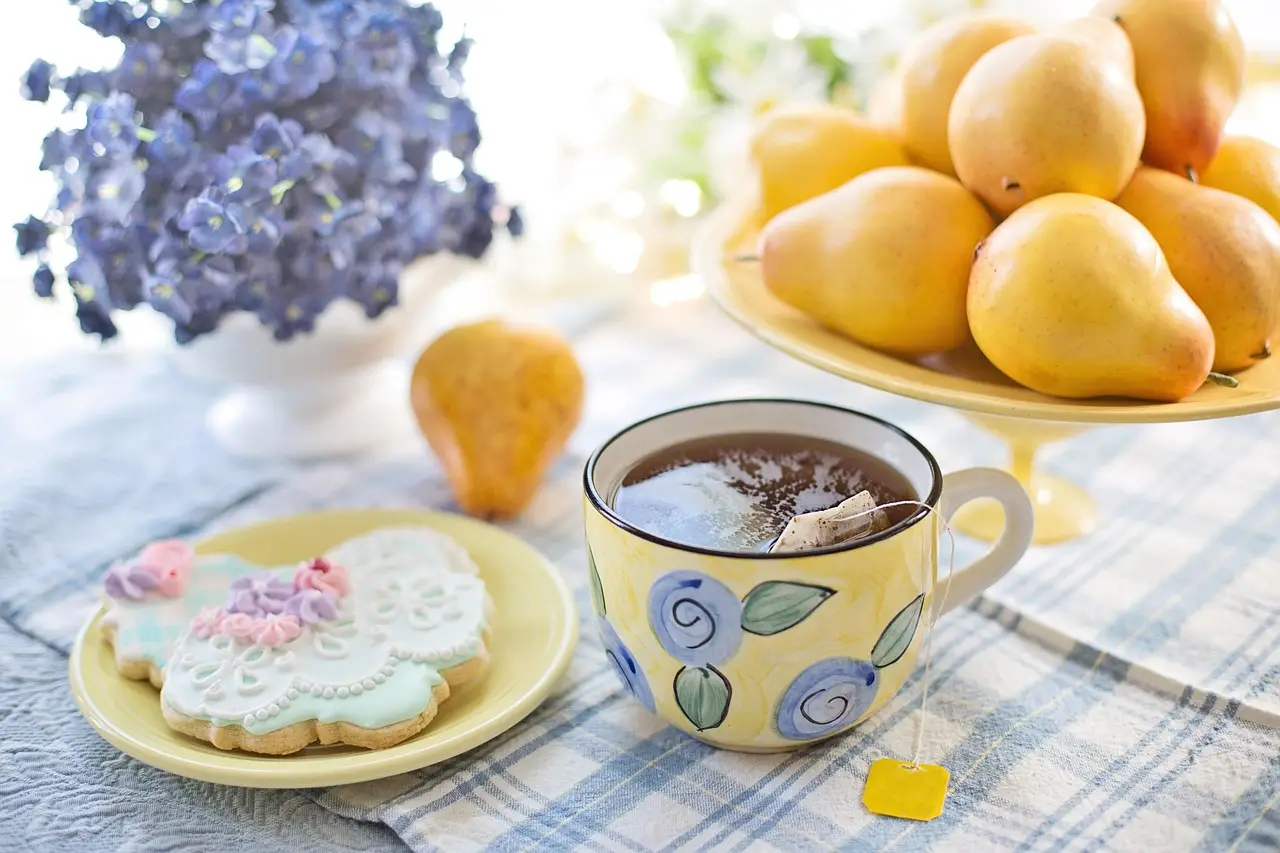
HTeaO closed last year with 178 units, a jump of more than 25% over the prior year, according to Technomic — and sales grew just as fast. Not bad for a brand that sells tea in a market dominated by drive-thru coffee.
The company traces its roots to 2009, when founders Justin Howe and his parents, Gary and Kim Hutchens, added tea to the menu at another of their restaurants in Amarillo, Texas. It wasn't a strategy. It was survival.
"Adding tea in specific flavors allowed them to keep afloat during some hard times," said Jennifer Montoya, HTeaO's "beverage guru," who oversees menu development.
The standalone HTeaO brand launched in 2018. Nine years of context matters here: this is a company built during a downturn, in a category most beverage operators ignored.
What does self-service tea actually look like?
Walk into an HTeaO and you find what Montoya calls a buffet. Customers mix and match from more than 20 flavors, controlling sugar level, sweetness and calories themselves. The most popular pour is regular sweet tea, with blueberry green tea second.
The model goes further than most customization plays. Guests get unlimited samples to try every flavor, and they can dump and remake a drink they don't like. That's a costly promise for most operators. For HTeaO, it's the retention engine.
"Customers are looking for something customizable to them, and their own sugar level, their own sweetness level, their own caloric level," Montoya said.
How does a new flavor earn a permanent spot?
Menu development starts with flavor, then works backward to execution — as a standalone tea, or as an addition to a chai or matcha. Many flavors debut as limited-time offers, and the strongest performers move to the permanent menu or return in a later season.
The evaluation is deliberately multi-factor. HTeaO looks at sales, yes, but also at what customers said about the drink, its performance on social channels, and whether it converted existing customers or pulled in new ones.
"It's hard to look at all this data and say something was truly successful, but those are the parameters that we look at to ensure that it's a well-rounded beverage before we figure if we want to make something permanent or bring it back in another season," Montoya said.
The operational backbone: brewing SOPs and equipment control
Customization gets guests in the door, but Montoya credits the product itself — and the discipline behind it. "It starts with quality tea leaves," she said. "Our brewing process is so precise and specific that we have the perfect balance of tea, water, and sugar to make that cup of tea that is very nostalgic and familiar to customers."
That process lives in detailed standard operating procedures. The company works directly with brewers to guarantee consistent extraction, and staff training is, in Montoya's words, "very specific and precise." In a franchise-scale beverage business, that SOP rigor is what keeps a 178-unit system tasting like one store.
HTeaO runs a coffee program alongside its tea lineup, but executives aren't chasing the coffee chains. "We focus on what we do well, which is tea, water, and ice," Montoya said. "We don't want to be everything to everybody. We just want to be the best cup of tea that people have ever had."
With beverage and snack chains outperforming the broader restaurant industry even as Top 500 sales slowed in 2025, HTeaO's unit growth suggests a narrow menu, executed tightly, can still win share.
More from Daniel Okafor
Show full bio
Correspondent covering companies, deals and strategy in Restaurant and hotel operations at The Pass Brief.
589 articles