Houdini Died 100 Years Ago This October. His Playbook Still Works for Restaurants
A CX consultant draws ten customer experience lessons from Harry Houdini ahead of the 100th anniversary of his death on October 31 — from anticipation to complaint recovery.
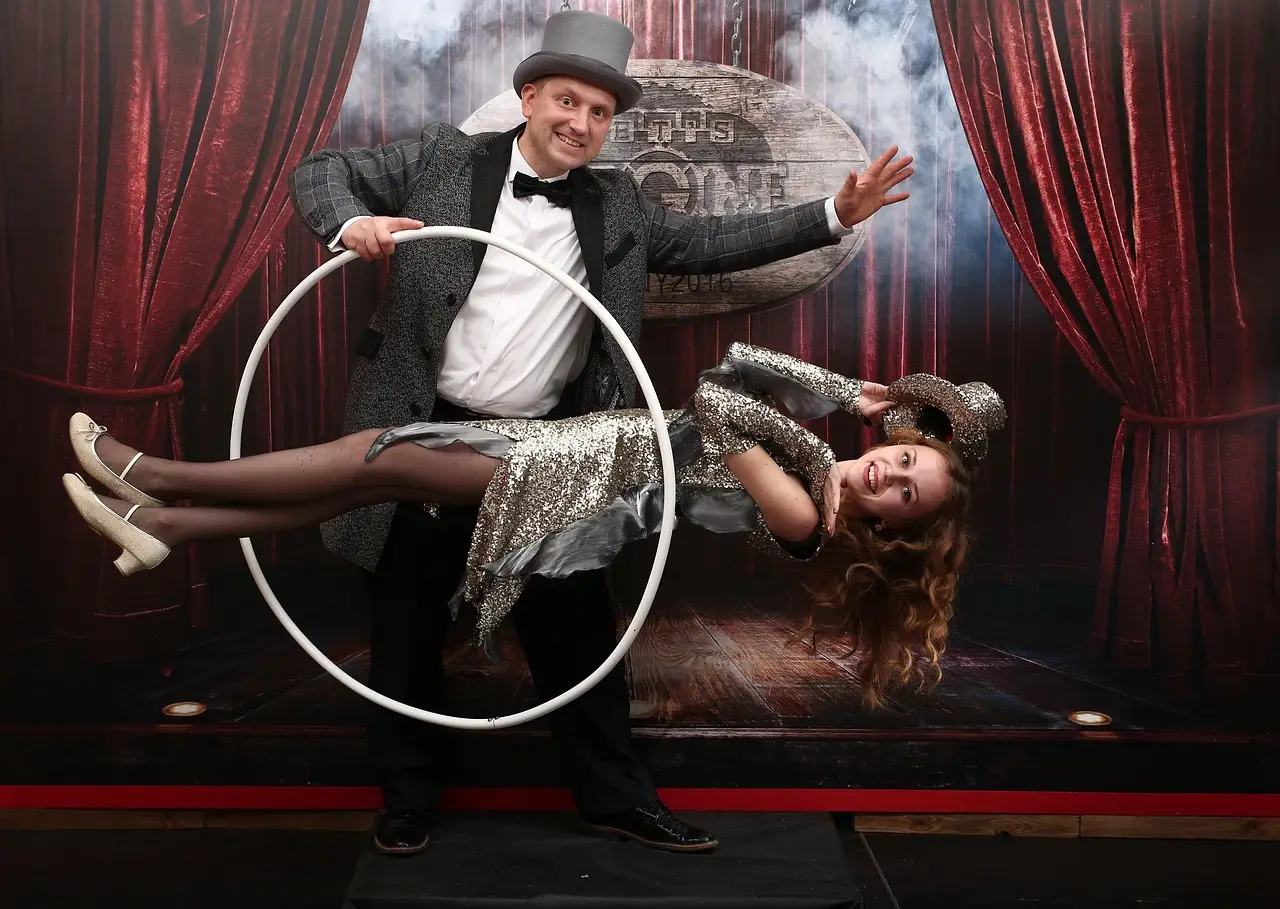
October 31 marks the 100th anniversary of Harry Houdini's death, and a customer experience consultant argues the escape artist's showmanship holds ten lessons for any business that serves customers — restaurants very much included.
The consultant behind the piece, who spent years performing magic in comedy clubs and at corporate events before building a keynote business around customer service and CX, says he has read a dozen or more books on Houdini's life. The centenary, he writes, prompted a question: what can operators learn from "the man who could escape from almost everything but obscurity"?
The answer, distilled: Houdini engineered every phase of the audience's experience — before, during and after the curtain — and that discipline transfers directly to hospitality.
What does Houdini's act change for an operator?
Think of the ten lessons as a service audit, running from brand positioning through complaint recovery:
- Own what you want to be known for. Find the one thing you do better than almost everything else, and make sure customers know it too. For a restaurant, that's the signature dish or the service style you hang your reputation on.
- Be memorable. "Being good gets you in the game," the consultant writes. "It will even make you competitive. The next level is being memorable enough to get people talking about you."
- Know your audience. Houdini understood his crowds wanted excitement, thrills, suspense and amazement — and he never let them down. His advice: figure out what your customers actually want, then give it to them.
- Turn marketing into an experience. Houdini's publicity stunts weren't just advertising; the marketing became part of the show itself. The test for any operator: does your publicity add to the customer's experience, or just interrupt it?
- Create anticipation. The experience started before Houdini stepped on stage — the theatre entrance itself built excitement for what was coming. The pre-visit window, from booking to walking in the door, is the equivalent.
- Practice until it looks easy. Part of Houdini's showmanship was making his stunts look dangerous, when preparation and repetition had made the seemingly impossible easy. "The best customer experience looks effortless," the consultant writes, "but behind the scenes are people, processes, and training that make it that way."
- Keep raising expectations. Once the audience saw a show, Houdini returned the following year with something better. His prompt: what's your version of "new and improved," and what keeps you ahead of the competition?
- Turn a problem into a performance. Houdini escaped impossible situations to rousing applause. When customers bring complaints, the goal should be recovery so strong they rave about it afterward — service failure as a stage, not a liability.
- Protect your reputation. Houdini knew the value of his name and defended it. Reputation "takes years to build and just one bad experience to damage."
- Leave them wanting more. The old show business rule, and the column's closer: great performers know when to exit the stage so the audience comes back. Done right, customers leave saying, "I'll be back!"
The through-line: effort is invisible, experience is not
Strip the ten points down and a single mechanic remains. Every element Houdini controlled — the stunts, the stunts-as-marketing, the yearly escalation, the escapes themselves — was rehearsed until the audience saw only the result. The consultant's argument is that customers never see the kitchen drills, the service scripts or the recovery protocols. They see the ease.
That framing lands squarely on the operations side of the house. Anticipation is a design problem, not luck. Complaint recovery is a trained behavior, not an improvisation. Reputation is an asset with a maintenance cost.
As the centenary approaches, the column's practical takeaway for operators is blunt: audit each phase of the guest journey the way Houdini audited his act — entry, performance, exit, and the return engagement — and fix the phase where the applause is weakest.
More from Daniel Okafor
Show full bio
Correspondent covering companies, deals and strategy in Restaurant and hotel operations at The Pass Brief.
558 articles