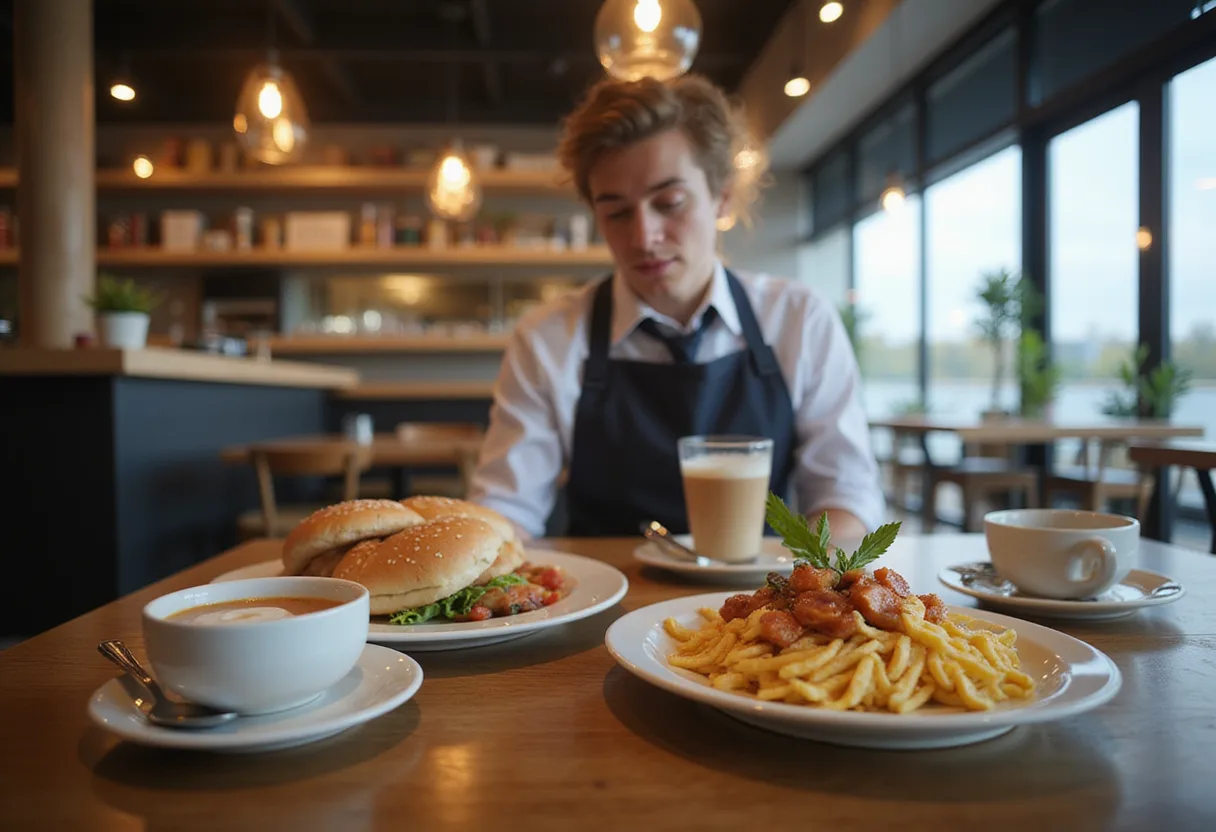
Hotel Breakfast Buffets Built on Abundance Now Face a Cost Squeeze
Hotel breakfast buffets built on self-service and predictable costs now face higher food, labor and equipment expenses as guests eat less. A sharper space-and-margin audit may offer more clarity.
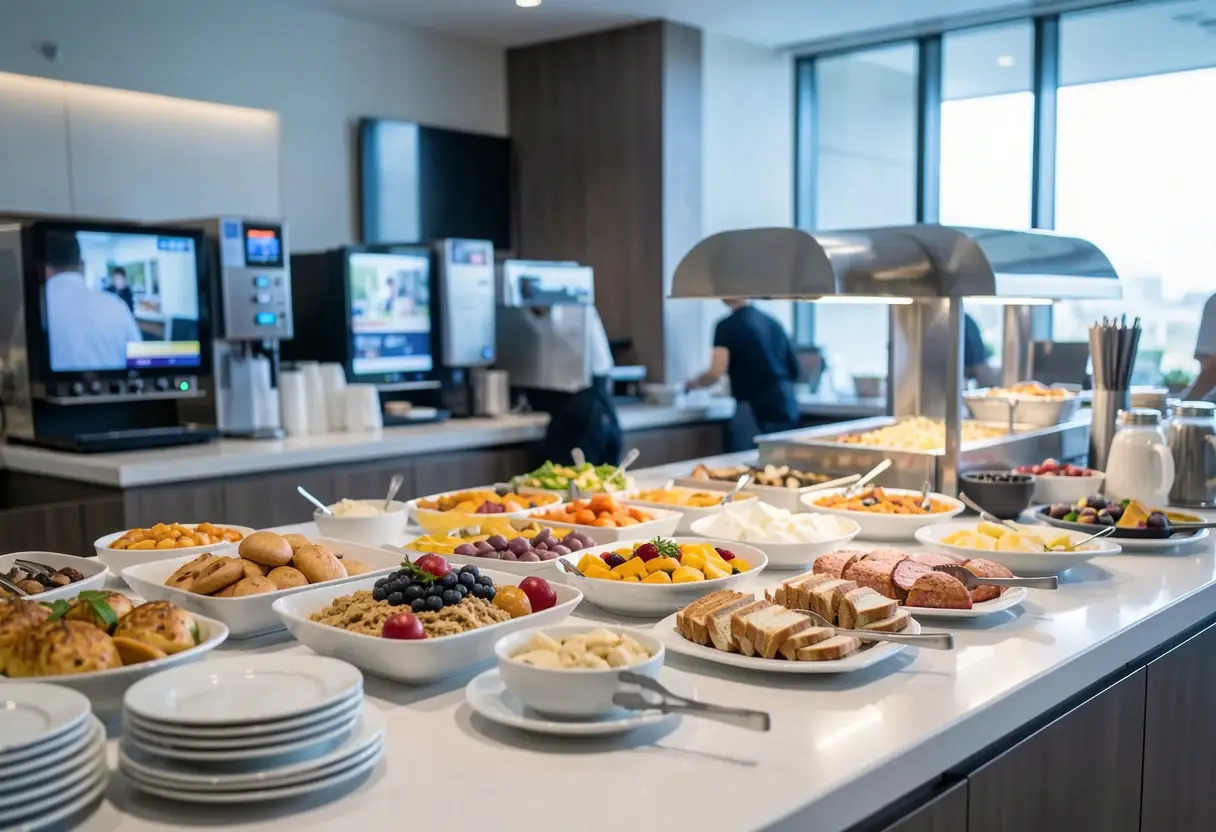
Foodservice operations waste an estimated 8% to 20% of purchased food, according to estimates cited in Fengmin Gong’s Hospitality Net article, “The Buffet Paradox: Why Abundance Is Costing Hotels More Than They Know.” The figures cover foodservice generally, not hotel breakfasts, so they indicate potential exposure rather than a measured buffet loss rate.
That distinction matters because the breakfast buffet was once among a hotel’s most efficient restaurant concepts. When labor grew expensive, standardized food stayed affordable and hotel restaurants struggled to attract anyone beyond overnight guests.
Self-service used underutilized restaurant space, simplified bulk purchasing of standardized products and inventory management, and reduced staffing and waiting times. It delivered variety without a matching number of skilled cooks and waiters. The same room could also host lunch buffets for groups and conference guests.
For consultants and hospitality technology vendors, breakfast is a standard example of a hotel seeking ancillary revenue, fuller space use and personalized service. Local residents still prefer neighborhood cafés, and business meetings continue elsewhere.
Proposed formats have included selling breakfast to non-residents, turning the room into meeting space and pricing stay components separately. Hotel guests increasingly choose a modest cappuccino and croissant around the corner over an expensive buffet.
Why buffet economics changed
Guests now value regional products, fresh dishes, dietary options and culinary experiences more than the standardized selection that made self-service cheap. Hotels answered with organic produce, local specialties, live cooking stations and elaborate displays.
Skilled employees returned to the breakfast kitchen, reversing much of the labor saving that powered the model. The reversal brings higher food costs, added equipment and more demanding staffing requirements.
Those expenses behave like fixed costs because a hotel cannot dismiss skilled employees or remove equipment according to tomorrow’s breakfast forecast. Meanwhile, many guests eat selectively: business travelers may want coffee and a pastry, not three elaborate courses, while leisure travelers increasingly choose local cafés for perceived authenticity and better value.
How rising prices accelerate the problem
As breakfast participation falls, the hotel spreads fixed costs across fewer paying guests. It may respond by raising the price, making skipping more attractive and potentially depressing uptake again.
The pressure reaches receptionists, who sell breakfast at check-in, and guest communication software, which promotes the package before arrival, during the stay or at 6 a.m. The software changes the selling channel, not the kitchen’s labor and food burden. The analysis does not identify who pays for it.
The waste estimate needs careful interpretation as the industry begins to address food waste. Nansy Kouroupi’s article, “What Are Hotel Buffets Really Serving – Experience or Excess?”, identifies two priorities: breakfast matters for guest satisfaction, and waste can potentially fall without compromising the experience.
The analysis supplies no hotel-specific waste rate, breakfast participation, average check or contribution margin. Its financial case therefore rests on structural cost changes, not a property-by-property profit-and-loss comparison.
What should a hotel calculate now?
The relevant question is not whether breakfast looks busy at 8 a.m. It is whether the operation produces the best contribution from the room it occupies.
A dedicated breakfast area carries maintenance, cleaning, utilities, equipment and skilled-labor costs, yet may use valuable floor space for only a few morning hours. Hotels should compare breakfast’s contribution after variable and avoidable fixed costs with the realistic net contribution from alternatives, including conversion costs and commercial risks.
Alternatives include a restaurant leased to an independent operator, additional guestrooms, flexible meeting facilities or another revenue-generating use. Every option requires capital, and some spaces cannot convert economically.
Hotels also must distinguish shared restaurant space from a room built solely for breakfast. The calculation should include effects outside the food-and-beverage ledger, including room rates, guest satisfaction and booking decisions.
An apparently unprofitable buffet can still support the wider property’s profitability. Gross breakfast sales and guest volume alone do not answer the question.
Which hotels can keep the buffet
The traditional format can still work in all-inclusive resorts, large conference hotels and properties with consistently high breakfast participation. In those settings, volume and demand may preserve the model’s efficiency.
Maintaining a costly operation elsewhere merely because guests expect it may be an expensive tradition, not a strategy. Independent hotels have several options to test:
- Replace the buffet with a carefully curated, table-served breakfast designed to create a more memorable experience.
- Reconsider room service, which substantial surcharges now discourage, particularly in premium accommodation.
- Prepare personalized breakfast on demand and deliver it where the guest prefers, without elaborate permanent displays.
- Offer business travelers a simple, high-quality continental breakfast that fits actual demand.
- Partner with local cafés, bakeries and restaurants that already have the facilities, workforce and expertise to serve breakfast profitably.
- Use digital communication and booking systems to integrate those offers into the guest journey without producing every component in house.
- Lease a ground-floor restaurant to an independent operator.
The common principle is to produce less of what guests reject, rather than defend abundance for its own sake. The analysis states the test plainly: “The objective is not to sell as many breakfasts as possible. It is to operate a profitable hotel that guests genuinely appreciate.”
The forward-looking question is which breakfast model can preserve satisfaction while covering higher labor, food and equipment costs. Hotels that cannot make that case will likely test smaller, targeted formats, local partnerships or leased space instead of adding more features to the buffet.
More from Olivia Hart
Show full bio
Staff writer covering regulation, policy and their impact on Restaurant and hotel operations at The Pass Brief.
788 articles