County Durham hotel cuts utility bills 40% with £1m energy system
A £1m CHP and pellet system generates 86% of Redworth Hall's electricity, cutting utility bills from £50k to under £30k a month, while 12 EV chargers add £1,500 in monthly revenue.
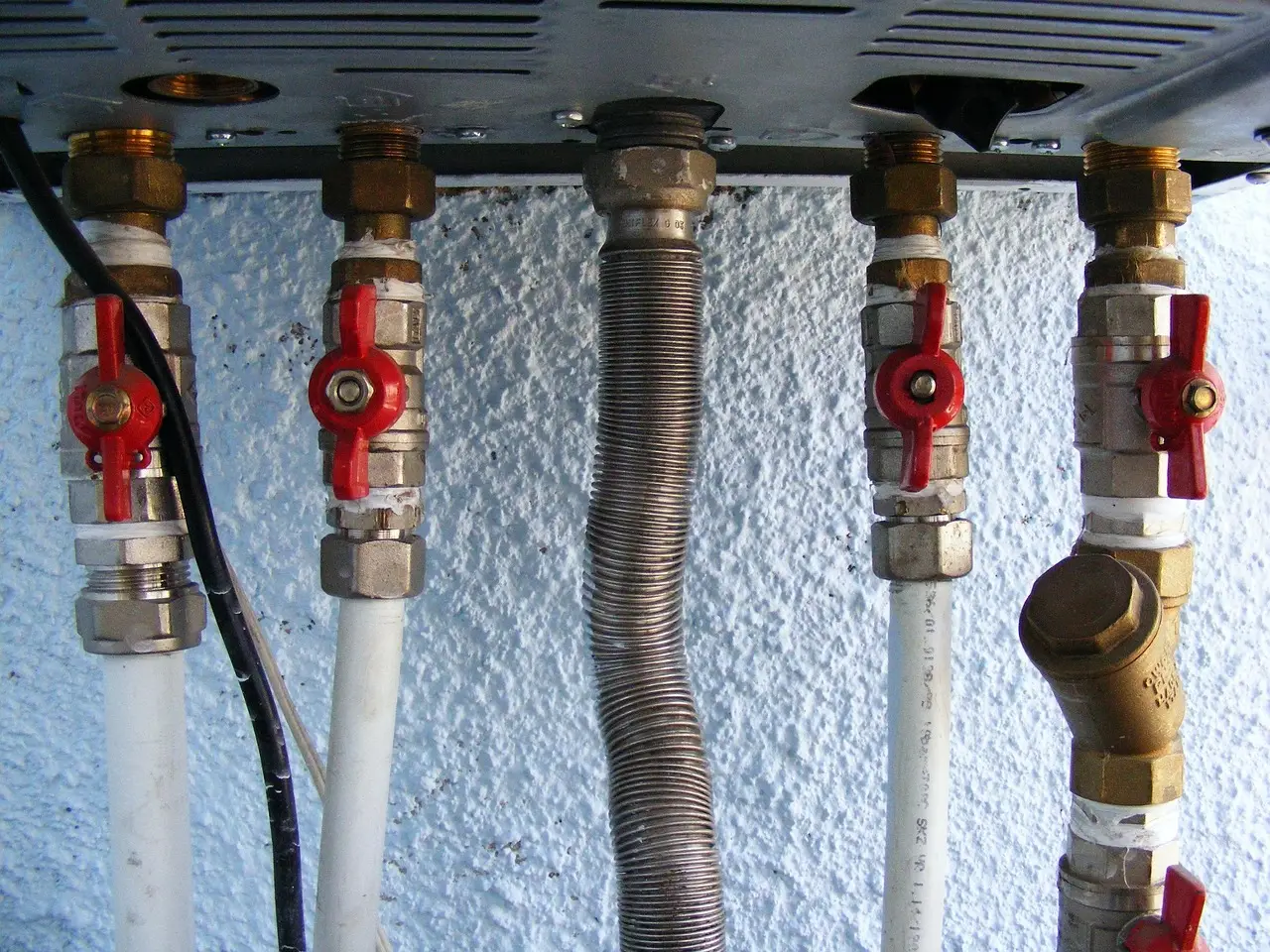
A £1 million investment in combined heat and power (CHP) technology has cut Redworth Hall Hotel & Spa's monthly utility bill from an expected £50,000 to between £28,000 and £30,000 — a saving of more than £20,000 every month at the County Durham property.
General Manager Daniel Rich, who joined the hotel 13 months ago after a career with Hilton, Accor, IHG and Macdonald Hotels & Resorts, said the on-site energy systems now do most of the work. "We've invested in combined heat and power technology, and we currently produce 86% of our electricity on site," he explained. "We've also got a pellet machine which burns pellets for our hot water. This was a million-pound investment, and it's reduced our utility costs massively."
The 2,000-covers-a-week restaurant, spa, weddings and leisure business sits inside a building Rich describes as a maze of corridors and dead ends — a large site where energy costs could easily dominate the P&L. Instead, the systems are interconnected. Excess heat from the CHP installation warms the swimming pool, holding the water at 29°C, while a pellet boiler supplies hot water.
Government incentives recover roughly 40% of the cost of the hot water pellets, Rich estimates, improving the payback on the capital spend. The hotel has also secured Gold Green Tourism accreditation.
What else does the energy strategy earn?
The property's 12 electric vehicle charging points generate around £1,500 a month. Because Redworth Hall produces its own electricity relatively cheaply, it earns a healthy margin on charging while giving overnight guests a reliable service.
"The whole green piece is important to us," Rich said. "It's an ability to give something back. And it tells customers that we're invested in the future."
How is the hotel handling shifting guest behaviour?
Rich frames changing booking habits as the "Amazon effect": guests want fast answers, last-minute decisions and one-click add-ons. "People are willing to book last minute, but they're also happy to add an experience — a wellness package, a spa treatment," he said. "For us, that's been a great opportunity. People want that experiential stay now."
Guests can add spa experiences, reserve restaurant tables, or book extras such as an LED face mask or on-demand in-room yoga. The hotel uses WhatsApp to prompt pre-arrival bookings, which also gives management a clearer view of incoming demand for staffing and planning.
An AI platform, HiJiffy, handles around 2,000 guest conversations a week across wedding enquiries, general questions and pre-arrival communication — extending the commercial relationship past the booking confirmation right up to check-in.
Why do guests come back?
Redworth Hall hosts around 90 weddings a year, and those events seed long-term repeat business. Guests return for anniversaries, family celebrations and spa breaks. "When people have an emotional connection to a property, they bring their children and their family along," Rich said.
What does this change for other operators? The Redworth Hall model shows sustainability spend functioning as a cost-control and revenue instrument rather than a marketing line: cheaper self-generated power, government incentive offsets, EV charging income and CHP waste heat all feeding one interconnected system.
The hotel plans further refurbishments to its restaurant, bar and bedrooms, layering capital improvements on top of an energy and digital infrastructure already producing measurable returns.
More from Elena Vasquez
Show full bio
News editor covering people, launches and day-to-day practice in Restaurant and hotel operations at The Pass Brief.
819 articles